



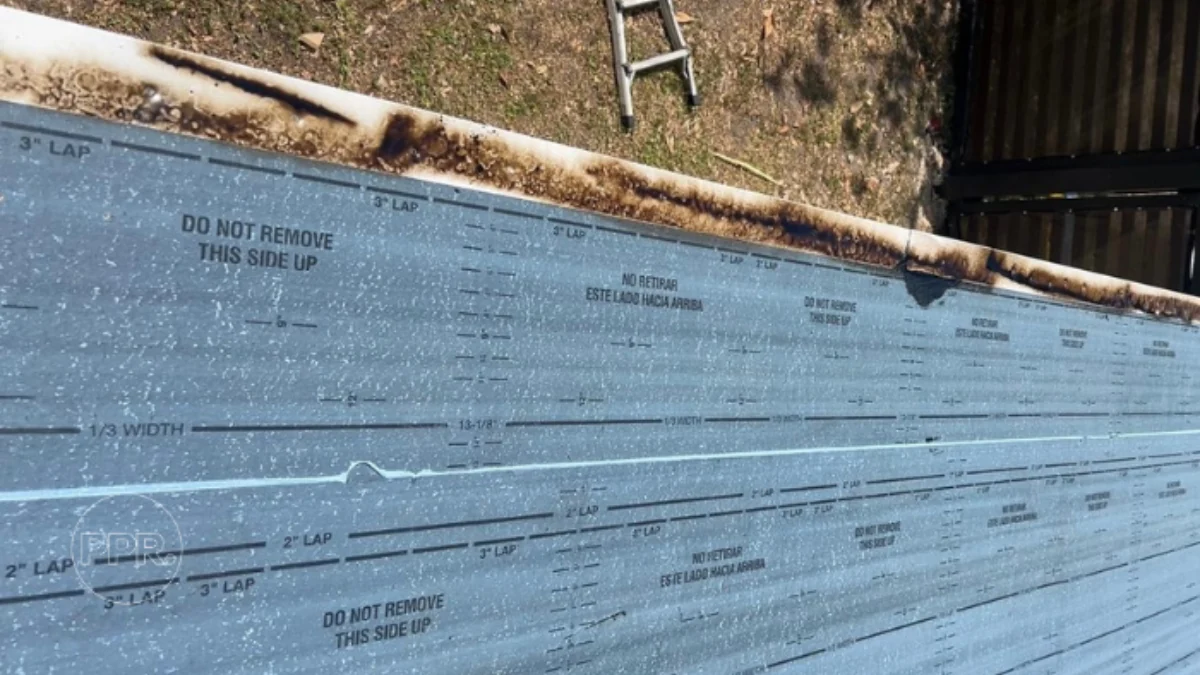


Flat roof problems are more common than most homeowners expect. According to industry studies, flat roofs develop leaks within the first 20 years, often due to issues that could have been prevented with proper care. That means what looks like a “minor ponding” could turn into thousands in repair bills.
Have you ever spotted a puddle sitting on your flat roof after heavy rain and thought, “It’ll dry on its own”? That’s exactly how many costly repairs begin.
So why are flat roofs so prone to problems? And more importantly, how can you recognize the signs early enough to save money, protect your home, and avoid emergencies?
In this guide, we’ll break down the most common flat roof problems, explain their causes, share real costs for fixing them and give you prevention tips that thousands of homeowners already trust.
Don’t wait until the next storm forces you into a quick tarp install costing $800 to $1,600; act now, while solutions are still simple and affordable.
Understanding Flat Roof Problems
Flat roofs look simple from the ground, but they hide challenges that many homeowners only notice when it’s too late. A small puddle today can turn into a leak tomorrow and leaks don’t stay small for long. Water spreads fast, damaging ceilings, insulation and even the structure beneath.
So, are flat roofs a problem by design or do they just demand more care than pitched roofs? Studies show that most flat roof failures are linked to drainage issues or weak membranes, not the design itself.
Flat roofs aren’t doomed to fail. They’re just less forgiving if you skip inspections or delay repairs.
Flat roof design basics and weak spots
To understand why problems happen it helps to know where flat roofs are vulnerable:
- Seams: Where membranes join, water can sneak in if adhesives weaken.
- Edges and flashing: These spots take a beating from wind and need tight seals.
- Drainage points: If clogged, water ponds, adding stress and weight.
- Surface coatings: Over time, UV rays crack and peel protective layers.
These weak spots don’t mean your flat roof is a bad choice. They mean it needs consistent care, just like a car that runs smoothly only if you change the oil on time.
Pro tip from Protect Preserve Roofing: Flat roofs matter because they can work for decades when maintained or fail in a few years if ignored. Understanding the design and its weak points is the first step in preventing bigger bills.
Common Flat Roof Problems and Their Causes
Flat roofs face issues that most pitched roofs avoid. Some come from weather, others from installation errors or skipped maintenance. Let’s break it down:
- Leaks and moisture infiltration: Leaks are the number one enemy of flat roofs.
- Causes: Poor sealing at seams, cracked membranes or damaged flashing.
- Signs: Water stains on ceilings, damp insulation or bubbling paint indoors.
- Solution: Seal small cracks quickly, replace damaged membrane areas and always use professional-grade flashing.
- Flat roof condensation problems: Condensation builds up when warm air from inside the house meets the cold roof surface.
- Causes: Lack of ventilation or poor insulation.
- Signs: Musty smell in the attic, mold on ceilings or damp patches.
- Solution: Improve insulation, add or clear vents and keep airflow steady to avoid trapped moisture.
- Flat roof drainage problems: One of the most visible issues is water that refuses to drain.
- Causes: Blocked drains, sagging roof areas or poor slope design.
- Signs: Puddles remain more than 48 hours after rain.
- Solution: Clear drains regularly, re-level sagging spots or install additional drainage outlets.
- Blistering, cracking and membrane shrinkage: Flat roof membranes expand and contract with heat, which eventually causes surface problems.
- Causes: UV exposure, aging materials or improper installation.
- Signs: Bubbles (blisters), cracks or edges pulling away.
- Solution: Reseal blisters early, replace shrinking membranes and apply protective coatings to extend life.
- Fiberglass flat roof problems: Fiberglass (GRP) is durable but not immune to trouble.
- Causes: Poor installation, trapped moisture, or impact damage.
- Signs: Cracks, lifted edges, or brittle surfaces.
- Solution: Patch cracks with resin, reseal edges or replace sections if widespread.
Pro tip from Protect Preserve Roofing: Flat roofs don’t fail overnight. Leaks, condensation, ponding water and surface wear give plenty of warning signs. The key is catching them early and applying the right fix.
Flat Roof Extension and House Problems
Adding a flat roof to a house or building an extension with one seems simple. It’s affordable, modern, and gives clean lines to a property. However, flat roof extension problems and flat roof house problems often show up after the first few years. Let’s take a look:
- Structural strain: Extensions with flat roofs often connect to older structures.
- Causes: The new roof and old walls may not settle at the same rate. This creates tension at the joints.
- Signs: Cracks where the extension meets the main house, uneven seams or leaks along the connection line.
- Solution: Reinforce joins during installation and schedule regular inspections to spot stress before it spreads.
- Thermal movement and cracking: Flat roofs expand and contract with temperature swings. On extensions, where materials may differ from the main building, the stress can be even greater.
- Causes: Sun exposure, poor installation and incompatible materials.
- Signs: Splits in membranes, bubbling coatings or loose flashing around edges.
- Solution: Use flexible materials, apply protective coatings and reseal surfaces as needed.
- Energy efficiency concerns: Homes with large flat roof areas often face energy challenges.
- Causes: Thin insulation or gaps that let heat escape in winter and let heat in during summer.
- Signs: Higher energy bills, hot upper rooms in summer or cold spots in winter.
- Solution: Upgrade insulation, improve ventilation and consider reflective coatings to keep interiors balanced.
Pro tip from Protect Preserve Roofing: Flat roof extensions and flat roof houses aren’t doomed to fail, but they demand attention. Structural strain, cracking and energy inefficiency are preventable, if you address them early.
Regional and Climate-Specific Issues
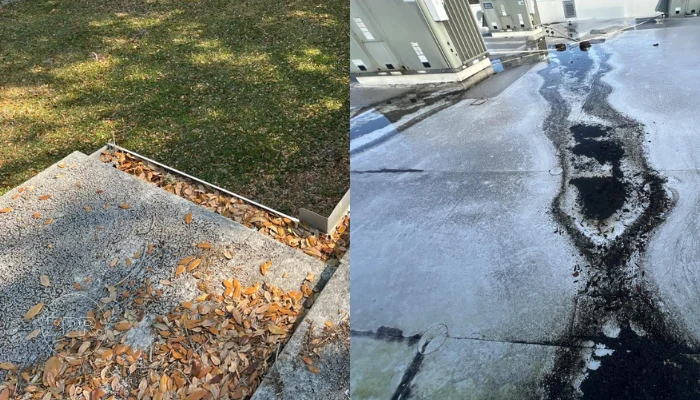
Flat roofs don’t face the same problems everywhere. Climate plays a big role in how long they last and what kind of maintenance they need. A flat roof in Florida has challenges very different from one in Minnesota or a coastal town.
Flat roof problems in Florida
Florida combines three tough conditions: strong sun, heavy rain and hurricanes.

- Heat: Constant UV exposure cracks coatings and weakens membranes.
- Rain: Intense storms cause ponding and leaks if drainage is poor.
- Hurricanes: High winds lift flashing, damage seams, and often require emergency tarp installs costing $800 to $1,600.
- Humidity: Fuels algae and mold, which slowly eat away at roof surfaces.
Flat roofs here demand more inspections and quick repairs. Waiting even a few weeks after storm damage can mean denied insurance claims.
Cold climate concerns
In colder states, snow and ice test flat roofs in different ways.
- Snow Load: Heavy snow builds up and stresses the structure.
- Ice Dams: Melted snow refreezes at the edges, trapping water that seeps under membranes.
- Solution: Clear snow buildup, improve attic insulation and keep drainage paths open.
Coastal environments: salt air and corrosion
Homes near the ocean deal with salt in the air. Salt speeds up corrosion in metal components and eats away at coatings faster.
- Signs: Rust around flashing, streaks on panels and brittle coatings.
- Solution: Use corrosion-resistant materials and apply protective coatings more often.
Bottom line: Flat roof performance is tied to location. Florida homeowners face sun and hurricane damage. Northern states deal with snow and ice. Coastal towns fight salt corrosion. Knowing your region’s risks means you can plan better maintenance, choose stronger materials, and avoid costly surprises.
Fixing Flat Roof Problems: Solutions That Work
Fixing flat roof problems isn’t about guesswork. Some repairs buy time, others solve the root cause, and sometimes the only smart choice is replacement. Knowing the difference saves money and frustration.
Short-term repairs vs. long-term repairs
Not every issue demands a new roof.
- Short-term repairs:
- Sealants for small cracks and blisters.
- Temporary patches over leaks.
- Clearing blocked drains to stop ponding.
- These fixes are quick but rarely last more than a season or two.
- Long-term fixes:
- Resealing entire sections with fresh coatings.
- Replacing damaged membranes or fibreglass layers.
- Reinforcing flashing and seams for better protection.
- These solutions cost more upfront but add years to roof life.
Coating, sealing and resealing options
Coatings act like sunscreen for flat roofs. They shield membranes from UV damage and extend their life.
- Elastomeric coatings: Flexible and good for weather changes.
- Silicone coatings: Excellent against ponding water.
- Acrylic coatings: Budget-friendly but wear faster under heavy UV.
Resealing every 5–10 years prevents cracks and peeling from becoming leaks.
When repair isn’t enough: full replacement
Sometimes, fixing flat roof problems is no longer cost-effective.
- Signs you need replacement:
- Widespread cracking and blisters.
- Large leaks across multiple areas.
- Membrane shrinkage pulling away from edges.
- Costs: Full replacements run higher, but continuing with patchwork repairs can easily double long-term expenses.
Pro tip from Protect Preserve Roofing: Quick repairs buy breathing room; coatings extend roof life and replacements stop the cycle of recurring leaks. The smartest fix is the one that matches the problem’s scale, not just the cheapest option today.
The True Cost of Flat Roof Problems
The price of ignoring small issues often climbs faster than homeowners expect. A leak that starts as a $300 patch can balloon into thousands once water spreads to insulation, ceilings and flooring. Let’s see the average repair costs by issue:
| Problem | Typical Cost Range (USD) | Why It Varies |
| Leak repair | $350 – $1,200 | Location of leak, damage to structure |
| Drainage correction (ponding water) | $500 – $1,500 | Re-leveling roof or adding drainage |
| Membrane blister or crack repair | $400 – $1,200 | Size and spread of affected area |
| Fibreglass flat roof repair | $600 – $1,500 | Resin patch vs. full section replacement |
| Full flat roof replacement | $8,000 – $20,000+ | Size, material type and region |
Emergency tarp installation costs
Storms don’t wait for appointments. When leaks hit hard, an emergency tarp can be the difference between a quick fix and a ruined interior.
- Typical cost: $800 to $1,600.
- What drives price: Roof pitch, house height and damage area size.
- Why it matters: Improper tarp installs (like nailing directly into the roof) can void insurance claims and cause further damage.
Insurance coverage
Many homeowners assume insurance covers every roof problem. The reality is stricter.
- Covered: Sudden damage from storms, falling branches or hail.
- Not covered: Wear and tear, poor maintenance, clogged drains or water intrusion from neglect.
- Risk: If you leave your roof exposed after damage, insurers may deny your claim. Acting fast protects both your home and your coverage.
Quick reminder from Protect Preserve Roofing: Fix issues early and you spend a few hundred dollars. Wait too long and you face thousands of repairs, plus the stress of denied insurance claims. Prevention, quick inspections and safe tarp installs save money every single time.
Preventing Flat Roof Problems Before They Start
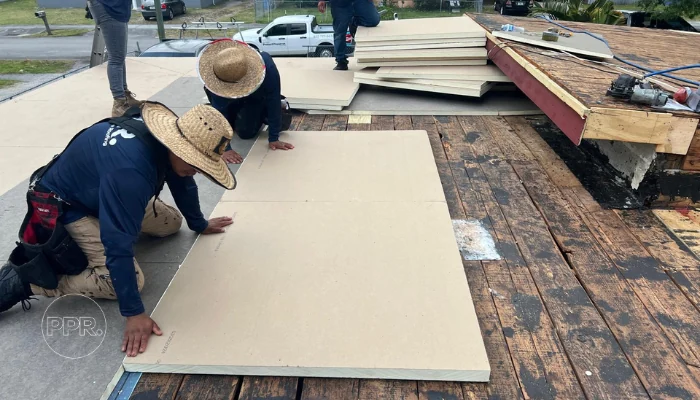
Most flat roof problems give warning signs long before they become disasters. With simple routines, you can avoid leaks, ponding and expensive emergency calls.
Regular maintenance and inspections
A flat roof needs more attention than a pitched roof.
- Schedule: Twice a year, ideally spring and fall.
- Checkpoints: Membranes, flashing, seams and drainage.
- Why it matters: Spotting a $200 crack early can prevent a $5,000 interior repair later.
Protect Preserve Roofing inspections often uncover small issues homeowners miss. Catching them on time means savings and peace of mind.
Gutter cleaning and drainage care
Clogged gutters and drains are behind most flat roof leaks.
- Routine: Clean gutters and downspouts at least twice a year.
- Warning signs: Overflow during rain, sagging gutters or standing water near the roof edge.
- Tip: Install leaf guards to reduce buildup.
Think of your gutters as your roof’s exit strategy. If water can’t leave, it finds another way in.
Professional tarping for storm preparation
Storm season doesn’t come with a warning bell. Being ready makes the difference.
- Costs: Emergency tarp installs usually run $800 to $1,600, depending on pitch and height.
- Safe methods: Use sandbags and straps, not nails or screws, unless the roof is already beyond saving.
- Benefit: Quick tarping protects your home and strengthens insurance claims.
Proactive repairs
Waiting until something breaks always costs more.
- Replace cracked or curled sections of membrane.
- Reseal flashing around chimneys and vents.
- Refresh coatings before they start peeling.
A few hundred dollars in preventive repairs can extend your roof’s life by years. And remember that prevention is about habits, not miracles. Timely repairs make flat roofs last longer and save you thousands. The roof stays strong, and so does your wallet.
Flat Roof Mistakes That Make Problems Worse
Some mistakes come from trying to save money, others from bad advice, and a few from impatience. Whatever the reason, these errors turn small fixes into big bills.
- Poor Installation: Not all roofing jobs are equal. A rushed install often leaves weak spots that show up months later.
- Mistake: Hiring based only on the lowest price.
- Result: Loose seams, poor drainage, and flashing that doesn’t hold.
- Fix: Work with qualified pros who understand flat roof systems.
- DIY fixes: Flat roof problems look simple but patching them the wrong way can make things worse.
- Mistake: Using cheap sealants or tar without addressing the cause.
- Result: Water keeps moving under the surface, hidden until the leak spreads.
- Fix: Get small cracks or leaks sealed by professionals with the right materials.
- Ignoring small issues: The biggest mistake is waiting.
- Mistake: Treating ponding water or minor cracks as “no big deal.”
- Result: What could have been a $400 repair becomes $10,000 replacement plus an emergency tarp install costing $800 to $1,600.
- Fix: Act fast. Small problems don’t solve themselves.
- Covering instead of repairing: A tarp or new coating can buy time, but it doesn’t replace real repairs.
- Mistake: Covering a damaged roof without fixing the underlying problem.
- Result: Water continues to leak underneath, damaging insulation and structure.
- Fix: Use tarps as temporary protection, not as a substitute for repairs.
Protect Preserve Roofing insight: We’ve seen roofs where mistakes cost more than the storms. Homeowners who tried to DIY or hired the cheapest option ended up paying double in the long run. The lesson is simple: do it right the first time, or you’ll pay for it later.
Conclusion: Protect Your Flat Roof Before It Fails
Flat roof problems are common. However, they don’t have to drain your wallet or peace of mind. You’ve seen the main issues – leaks, drainage failures, condensation and cracks – along with their costs and fixes. You also know what mistakes to avoid and how prevention keeps repairs from spiraling.
Therefore, knowledge alone won’t stop the next storm. Acting early is what makes the difference. A fast inspection, preventive repair or even an emergency tarp install can save you from thousands in damage and denied insurance claims.
At Protect Preserve Roofing, we don’t just patch roofs. We help homeowners stay one step ahead of problems with expert inspections, safe tarp installs and long-term solutions that extend the life of your roof.
You’ve already taken the smart first step by learning. Now it’s time to act. Call us today for a free roof assessment and expert guidance. You can also get a quick instant estimate with clear facts and numbers.
Don’t wait until water finds its way inside, secure your roof now and protect what matters most.


Leave a Reply