



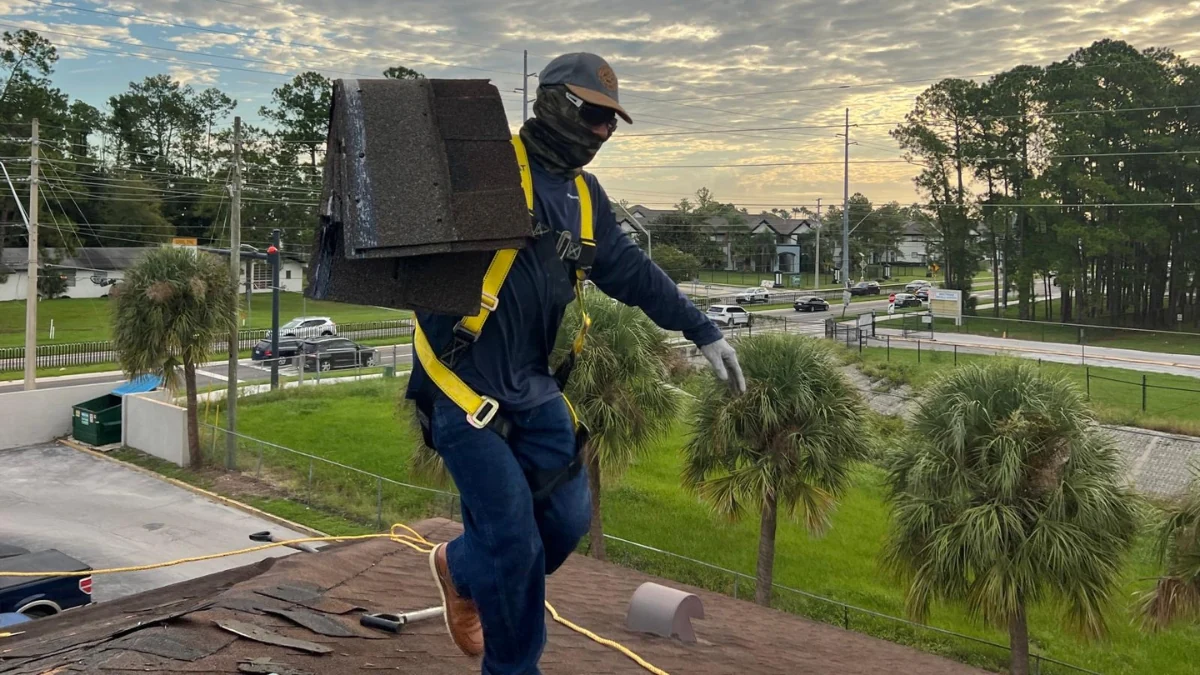


Pros and cons of asphalt shingles are one of the most researched topics among homeowners and contractors alike and with good reason. According to IBISWorld, over 70% of residential roofs in the U.S. are covered with asphalt shingles, making them the undisputed leader in American roofing materials.
If you’ve ever wondered whether asphalt shingles are the right fit for your home or if you’re questioning their longevity, appearance, or value, you’re not alone. Thousands of homeowners are asking the same thing. And with so many options on the market, it’s easy to get lost in the noise.
So, in this expert-backed guide, we’ll break down the pros and cons of asphalt shingles in a clear, objective and practical way. Whether you’re installing a roof for the first time or considering a replacement, this review will help you make an informed decision based on real insights, not just marketing hype.
Don’t miss this opportunity to learn what thousands of property owners wish they knew before choosing their roof. Let’s dive into the facts that matter most.
What Are Asphalt Shingles and How Do They Work?
Asphalt shingles are roofing materials made with a fiberglass or organic base, coated with asphalt and topped with ceramic granules. They protect homes from rain, wind, sun and snow while offering a cost-effective way to cover a roof.
Now, let’s break that down. Imagine your roof like a layered sandwich. The asphalt shingle sits at the top, acting like a crunchy toast that shields everything underneath. However, this toast doesn’t get soggy in the rain. That’s because each shingle is built in layers:
- Base layer: A fiberglass mat (or old-school cellulose) gives its structure.
- Middle layer: Asphalt adds waterproofing and weather resistance.
- Top layer: Ceramic granules reflect UV rays and give color, texture and extra protection.
These shingles overlap like fish scales, creating a tight barrier that channels water down the slope and into the gutters, instead of inside your living room.
How they’re installed (in plain words)
Roofers install them from bottom to top, row by row. Each new row overlaps the one below it. This overlap creates what we call a water-shedding system. Nails hold the shingles in place, but placement matters. If the roofer gets sloppy, it’s game over. Leaks, shingle blow-offs and headaches follow.
So, this is important: You should never use shortcuts like glue or staples and for temporary tarp fixes? We’ll talk more about that later, but yeah, hammering through the shingles is not the move.
Protect Preserve Roofing insight: Asphalt shingles have been around for over 100 years and a standard asphalt shingle roof typically lasts 15 to 30 years, depending on quality and climate. They are cheap, easy to install and come in a wide range of colors and styles.
Also read:
Why Are Asphalt Shingles So Popular in Roofing?
If you look around most American neighborhoods, chances are you’ll see the same thing: asphalt shingles on almost every roof. This isn’t a coincidence. It’s a combination of price, practicality and let’s be honest, habit. Let’s be real :
- Affordable: Asphalt shingles are one of the cheapest roofing options available. Materials cost less and installation is faster, which keeps labor costs down. On average, installing asphalt shingles costs 30% to 50% less than metal or tile roofing.
- Easy to install and replace: Roofers love them because they don’t cause headaches. Shingles are lightweight, flexible, and require fewer tools to install. That means less time on your roof and less money coming out of your wallet.
- Look good (and you get options): Today’s asphalt shingles come in all sorts of colors, textures and styles (3-tab, architectural, luxury). Whether you want a clean, modern look or something that mimics wood or slate, there’s probably a shingle for that.
- Handle most weather like a champ: From rain to snow, asphalt shingles hold their own. Are they perfect in extreme heat or high-wind areas? Not always. But for most climates in the U.S., they check all the boxes.
- Work well with insurance and maintenance plans: Insurers are familiar with asphalt shingles. That can make claims and inspections simpler. Repairs are quick and don’t require calling in a rescue team. And let’s be honest, no one wants to fight the insurance company and the weather in the same week.
Quick reminder from Protect Preserve Roofing: They may not be flashy, but asphalt shingles are like that one friend who always shows up on time, brings beer to the barbecue and never asks for much. Dependable, cheap and always ready to cover your back… literally.
Pros of Asphalt Shingles
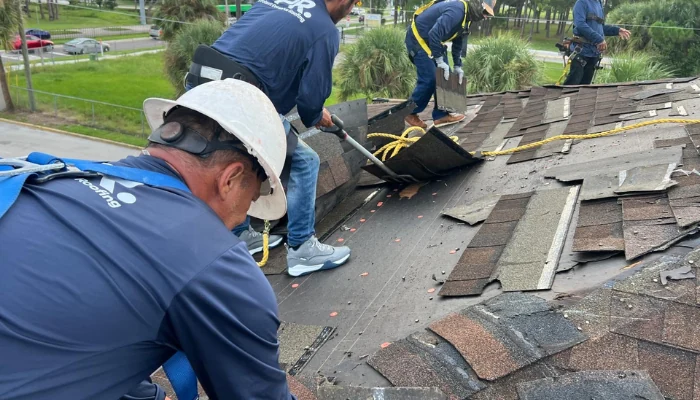
Asphalt shingles are popular for a reason, actually, for several reasons. To make things easier, here’s a no-nonsense comparison table that shows why many homeowners still prefer asphalt shingles over other roofing options:
| Benefit | What It Means for You |
| Low Cost | Affordable materials and installation; no need to blow your entire savings. |
| Quick Installation | Gets done fast, usually within a few days. Less time with roofers, more time for you. |
| Easy to Repair | Damaged a few shingles? Replace only the damaged shingles, no need for a full overhaul. |
| Style Variety | It comes in multiple colors and styles to match almost any home design. |
| Weather Resistant | Handles rain, wind, and moderate sun exposure well. |
| Lightweight | Don’t stress your home’s structure like tile or concrete might. |
| Insurance-Friendly | Well-known by insurers, they often have easier claims and lower inspection headaches. |
| Widely Available | Easy to find, easy to replace. No need to import or special order anything. |
| Flexible for Roof Features | Works well with vents, skylights, solar panels and chimneys. |
Important reminder from Protect Preserve Roofing: Even though asphalt shingles bring a lot to the table, they aren’t invincible. They’re strong in practicality, but you’ll want to see the other side of the story before you decide.
Cons of Asphalt Shingles
Asphalt shingles are budget-friendly and easy to work with. However, they’re not bulletproof. Here’s a no-fluff comparison table showing the main drawbacks of asphalt shingles and what they actually mean for your home:
| Drawback | What It Means for You |
| Shorter Lifespan | They usually last 15–30 years. Other materials, like metal or tile, can last 40–70 years. |
| Prone to Cracking & Curling | Hot climates, poor attic ventilation or sudden weather shifts can damage the shingles. |
| Weaker in Extreme Weather | Not ideal for heavy hail, strong winds or scorching sun. May need frequent repairs. |
| Color Fades Over Time | UV exposure can bleach out the color, making your roof look old before its time. |
| Not the Most Eco-Friendly | They’re petroleum-based and harder to recycle compared to metal or clay options. |
| Algae & Moss Buildup | In humid areas, dark streaks and green patches are common if not maintained. |
| Lower Appeal for Luxury Homes | If you’re aiming for upscale curb appeal, asphalt shingles may not match that vibe. |
| Ongoing Maintenance Required | Regular inspections, minor repairs and cleaning are needed to extend their life. |
Pro tip from Protect Preserve Roofing: If you’re in a mild climate and you want a roof that looks decent, costs less and gets installed quickly? Asphalt shingles are still a great option. Therefore, if you’re chasing long-term durability, low maintenance and a higher-end look, it might be worth weighing other options.

Pros and Cons of Asphalt Shingles: Should You Paint?
While painting shingles is possible, it’s not always smart. There are real trade-offs that most people don’t know until it’s too late. So, before you reach for that roller, take a look at this breakdown:
| Pros | Cons |
| Improves Appearance | Paint Fades Quickly — Especially under strong sun and weather exposure. |
| Reflects Sunlight (if using white paint) | Can Void Warranty — Many manufacturers won’t honor it if you paint the shingles. |
| May Reduce Heat Absorption | Maintenance Nightmare — Peeling, cracking and touch-ups are inevitable. |
| Short-Term Curb Appeal Boost | Traps Moisture — Painted shingles may not breathe properly, leading to roof damage. |
| Cost-Effective (at first) | Insurance Problems — Some insurers consider painted shingles a red flag. |
Important notes before you paint
- Use 100% acrylic latex paint, designed for roofs. No wall paint. No shortcuts.
- You’ll need to pressure wash and fully dry the roof before painting. Any trapped dirt or moisture? Say hello to mold.
- If your roof is already nearing the end of its lifespan, painting it is like waxing a car that’s falling apart. Looks shiny for a week, then regrets come knocking.
Protect Preserve Roofing insight: In most situations, painting is a temporary band-aid, not a long-term solution. You’ll spend less (and sleep better) by investing in proper repairs or replacements when the time is right.
Second Layer Is a Smart Move: Pros and Cons of Asphalt Shingles
Let’s pause and look at what you’re really getting into, because doubling up on shingles isn’t always doubling the protection:
| Factor | Single Layer | Second Layer (Overlay) |
| Cost | Higher (labor + full removal) | Lower upfront (less labor, no tear-off) |
| Weight on Roof Structure | Normal | Significantly heavier — risk for older homes |
| Durability | Full adhesion to deck = longer lifespan | Less secure; may age faster |
| Moisture Control | Good airflow and ventilation | Traps moisture between layers — mold risk |
| Inspection/Repair Access | Easy to spot damage | Harder to detect leaks or rotting wood underneath |
| Home Resale/Insurance | Fully accepted by most insurers and buyers | May raise red flags or reduce home value |
| Warranty Coverage | Typically honored | May be voided, depending on manufacturer |
| Building Code Compliance | Always compliant (if done correctly) | Not allowed in some states or counties |
When is a second layer acceptable?
Adding a second layer is only recommended in specific conditions, like:
- The first layer is still flat and in decent shape (no curling or rot).
- The roof structure is strong and approved to handle extra weight.
- You’re not planning to stay in the house long-term.
- The local building code allows it.
Even then, think of it as buying time, not investing in the future. You’re postponing a full replacement, not avoiding it.
When you should not do it
- The first layer is damaged, soft, or showing signs of water infiltration.
- Your home is over 30 years old.
- The roof has a complex shape or multiple valleys/slopes.
- You’re concerned about insurance issues or resale value.
And here’s a big one: If you live in an area with high heat or heavy rain, that second layer can trap heat and moisture, which leads to more problems than it solves.
Bottom line: Tearing off and starting fresh gives better results… period. You’ll have a longer-lasting roof, a valid warranty, fewer maintenance headaches and peace of mind during the next storm.
Pros and Cons of Asphalt Shingles: Reroofing
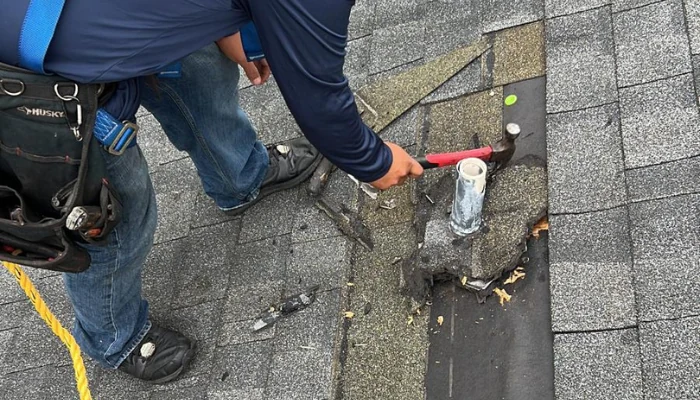
Reroofing over existing asphalt shingles might sound like a shortcut to save money and time. However, roofing isn’t like stacking pancakes. Just because you can pile it on, doesn’t mean you should.
Reroofing over shingles means you install new shingles directly over the existing ones, without removing the old layer. This is called an overlay, but it isn’t always a smart move. Let’s see:
| Pros | Cons |
| Lower Upfront Cost | Hidden Damage Remains — Old leaks, rot or mold stay covered, not fixed. |
| Faster Installation | Adds Extra Weight — May stress your roof framing and decking. |
| Less Mess, Less Labor | Shorter Lifespan — Shingles on shingles won’t breathe or bond like a full install. |
| Temporary Curb Appeal Boost | Harder to Inspect Later — Future problems may hide beneath layers. |
| May Violate Code — Some counties or HOAs don’t allow overlays. | |
| Resale Risk — Home buyers (and inspectors) often see overlays as a red flag. |
Best practices if you do reroof over existing shingles
Sometimes, reroofing is acceptable, if you follow strict rules:
- Only one layer exists underneath (most codes allow a max of 2 total layers).
- No soft spots, leaks, or decking damage on the current roof.
- The roof is structurally sound to handle the weight.
- You use architectural shingles, which are thicker and hide minor imperfections better.
- Local building codes explicitly allow it.
If any of the above are missing do not overlay. You’ll just be covering problems that will come back with vengeance.
Quick reminder: At Protect Preserve Roofing, we’ve seen both good and bad overlay jobs. And here’s the truth: “Reroofing over an old roof is like painting over rust. It hides the issue but never solves it.” Overlaying should never be a default option. It’s a calculated risk, not a long-term solution.
What Happens If You Don’t Tear Off Asphalt Shingles?
A lot of homeowners are tempted by the lower price and faster timeline. Therefore, not tearing off the old shingles comes with hidden costs and we’re not just talking about money. Let’s break down what really happens – the pros and cons of asphalt shingles – when you take the shortcut:
| Consequence | Why It’s a Problem |
| Trapped Moisture | Old shingles may hold moisture, which can lead to mold, rot and hidden leaks. |
| Roof Deck Decay Goes Unnoticed | Without removing the shingles, you can’t inspect or fix damaged decking underneath. |
| Shorter Roof Lifespan | New shingles over old ones won’t ventilate or seal properly, reducing durability. |
| Increased Weight on Structure | Extra layer adds stress to rafters and trusses — risky, especially on older homes. |
| Void Warranties | Many manufacturers and insurers won’t cover problems if the old roof wasn’t removed. |
| Higher Energy Bills | Improper ventilation from double layers can trap heat, increasing cooling costs. |
| Messier Future Repairs | Spotting leaks becomes a guessing game with two layers in the way. |
| Lower Resale Value | Home inspectors flag multiple layers. Buyers see it as a sign of shortcuts, not quality. |
What about insurance?
Here’s the cold truth: Most insurers will not cover roof damage if it’s linked to improper installation or neglected tear-off. And if your roof leaks due to trapped moisture from the old layer, your insurance may deny the claim entirely.
In short: skipping the tear-off could cost you a lot more than just the roof.
When tear-off is the right call?
In most cases, tearing off the old shingles is the smartest and safest move, especially if:
- The roof is over 15–20 years old.
- You’ve had leaks or moisture issues.
- You want the warranty to actually mean something.
- You’re planning to sell your home in the next 5–10 years.
Plus, a full tear-off lets professionals inspect, repair and reinforce every part of your roofing system, not just cover it up.
Bottom line: At Protect Preserve Roofing, we’ve seen it all. One homeowner skipped the tear-off to save $1,500. Three months later, a minor leak turned into a full interior ceiling collapse and the insurance? They walked away. Lesson learned: always fix what’s underneath before you cover it up.
Asphalt Shingles vs. Other Roofing Materials
Let’s break down how asphalt shingles compare to other popular options like metal, tile and wood, all in one clean table:
| Feature | Asphalt Shingles | Metal Roofing | Clay/Concrete Tile | Wood Shakes/Shingles |
| Average Lifespan | 15–30 years | 40–70 years | 50–100 years | 20–40 years |
| Installation Time | Fast (1–3 days) | Medium | Slow | Medium |
| Weight | Light | Light | Very Heavy | Medium |
| Durability | Fair in moderate climates | Excellent in all weather | Excellent but brittle | Good but vulnerable to fire/pests |
| Maintenance | Low (but needs occasional repairs) | Low | Low to moderate | Moderate to high |
| Visual Appeal | Wide variety of colors/styles | Modern, clean look | Mediterranean/traditional | Rustic, natural appearance |
| Energy Efficiency | Average | High (reflective coatings available) | High (natural insulation) | Low |
| Fire Resistance | Good (depending on underlayment) | Excellent | Excellent | Poor unless treated |
| Eco-Friendliness | Lower (petroleum-based, harder to recycle) | High (often recyclable) | Moderate (natural but energy-intensive to produce) | Moderate |
Pro tip from Protect Preserve Roofing: For most homeowners, asphalt shingles are the easiest starting point. However, if you’re building your forever home and have the budget, metal or tile might be worth the investment.
Pros and Cons of Asphalt Shingles Based on Climate and Budget
Let’s break it down by climate and budget, because that’s where most people start when choosing a roof:
| Climate Type | Performance | Verdict |
| Mild/Moderate | Excellent performance — low wear and tear, long lifespan. | Great choice |
| Cold & Snowy | Good, especially with proper attic insulation and ventilation. | Works well with prep |
| Hot & Dry | UV rays may fade color faster; ventilation becomes critical. | Acceptable with caution |
| Hot & Humid | Higher risk of algae, moss, and granule loss. | Needs regular cleaning |
| High-Wind Regions | Standard shingles may blow off; use Class F or impact-rated varieties. | Only with reinforced materials |
| Heavy Rainfall Zones | If installed properly, water runs off well; poor installs = leaks. | Good, but depends on roofer skill |
| Hurricane-Prone | Not recommended unless using specialty impact-resistant shingles + proper installation. | Better alternatives available |
When you might want to skip asphalt shingles
- You’re building your “forever home” and want something ultra-durable.
- You live in a coastal area with hurricanes or constant salt air.
- You hate maintenance and want a roof you’ll never have to think about again.
In those cases, materials like metal or tile might be better long-term play (even if they hit harder on the wallet upfront).
Bottom line: Asphalt shingles are versatile, cost-effective and practical, but they aren’t perfect for everyone or every region. That’s why at Protect Preserve Roofing, we always assess your local climate, goals for the home, budget and timeline (short-term vs. long-term).
Conclusion: The Pros and Cons of Asphalt Shingles
By now, you know the pros and cons of asphalt shingles, that shingles aren’t perfect, but they don’t pretend to be. They’re practical, affordable, easy to install and in the right conditions, they get the job done without draining your bank account.
Still, roofing isn’t one-size-fits-all. Your roof takes the hit from everything outside: rain, sun, hail, heat, wind. And that means what you choose today will protect your home (or not) for decades.
However, the success of your roof has more to do with the installer than the material. Cheap shingles installed wrong will fail and mid-range shingles installed right? They’ll surprise you.
That’s where we come in. At Protect Preserve Roofing, we don’t just “put a roof on your house”. We protect your home, preserve your investment and we do it with real expertise, care and respect for your time and money.
Whether you need a full roof replacement, a professional tarp installation, help with insurance or just honest advice on what to do next… you can count on us to do it right the first time. Click here to request your free roofing assessment or get your instant roof estimate today.
Let’s take care of it before the next storm shows up.

Leave a Reply