



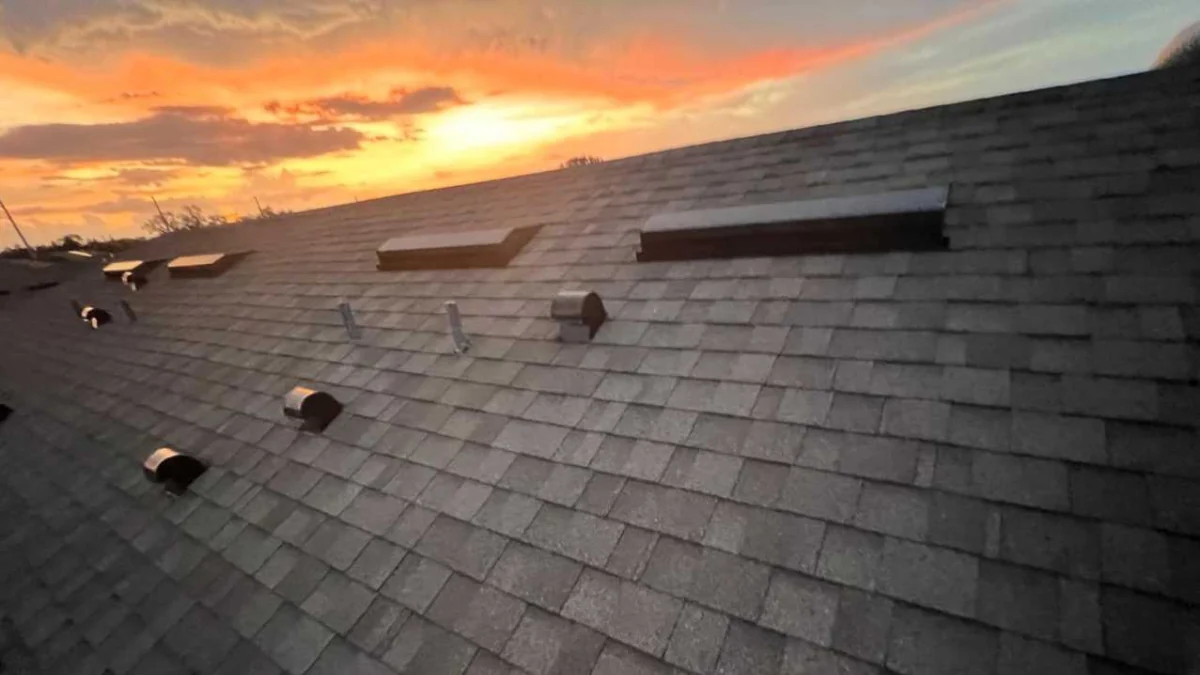


Asphalt shingle roof repair near me is one of the most urgent searches made by homeowners and business owners in Florida, especially after storm season hits. If you’re facing cracked shingles, leaking ceilings or missing roof tiles, you’re not alone. In fact, over 65% of residential roofing issues in Central Florida involve asphalt shingles, according to NRCA (National Roofing Contractors Association).
Therefore, do you know when a simple repair is enough or when it’s time to take serious action to avoid deeper, more expensive damage?
This guide was created for homeowners just like you. People looking for fast, affordable and professional asphalt shingle roof repair services, right in your neighborhood. Whether you’re in Orlando or anywhere in Central Florida, we’ll show you exactly what to look for, who to call and how to avoid common mistakes and causes of leaks.
Keep reading, this guide will give you the clarity, confidence and real solutions you need right now.
What Is Asphalt Shingle Roof Repair and Why It Matters
Asphalt shingle roof repair is exactly what it sounds like: fixing the parts of your roof made with asphalt shingles when they get damaged, worn or start to leak. It’s not guesswork. It’s maintenance that protects your home, your wallet and your sanity all at once.
Asphalt shingles are tough, but they’re not invincible. Over time, sun exposure, high winds, hail and debris wear them down. And when that happens, water finds its way in, usually straight into your ceiling.
Letting it go? That’s when things get ugly. We’re talking mold, warped wood, soggy insulation and insurance problems you don’t want to deal with, because once water gets under your shingles, the damage doesn’t wait politely for you to fix it.
Homeowners notice small issues, think it’s “no big deal,” and then… boom, a full replacement costs five times more than a simple repair would’ve. And no, insurance doesn’t always cover it if the damage was preventable.
So why does this matter?
- Because a leaking roof doesn’t fix itself.
- Because ignoring a few loose shingles today can lead to thousands in repairs tomorrow.
- And because a fast, professional repair is way cheaper than waiting for things to go wrong.
Whether it’s a few missing shingles or a whole section lifting in the wind, getting it checked fast keeps your home safe and dry. Simple as that.
Common Asphalt Shingle Roof Problems You Shouldn’t Ignore
Some roof problems scream at you. Others whisper. Either way, if you miss the signs, your wallet’s the one that takes the hit. Here’s what to look for:
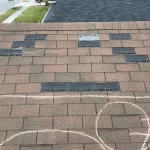
- Missing or loose shingles: When shingles go missing, rain sees an open invitation. One gap is all it takes for water to creep in.
- What to do: Call before the next downpour. A simple fix today costs a lot less than a soaked ceiling tomorrow.
- Curling or cracked shingles: Shingles that curl or split can’t block water the way they should.
- Why it happens: Heat, age, poor ventilation… and in Florida? That sun doesn’t play nicely.
- Granule loss: Ever seen black sand in your gutters? That’s not dirt, it’s the protective layer from your shingles breaking down. Without it, shingles become useless under UV rays and heat.
- What it means: Your roof is aging fast. It’s time for a close inspection.
- Dark streaks or patches: You might think it’s dirt, but often, it’s algae, water stains or worse: signs that moisture already made itself at home. And moisture brings mold.
- Sagging rooflines: If your roof starts looking like it skipped leg day, something’s wrong. Sagging means structural damage, usually from long-term moisture buildup.
- Gutters overflowing or detached: A roof and its gutter system are like a team. Overflowing or broken gutters cause water to spill back onto the shingles, increasing rot, leaks and long-term damage.
- Ceiling stains or interior leaks: Once water hits the inside of your home, it’s no longer a roofing issue, it’s a whole-house problem. Leaks can run down walls, ruin insulation and cost more than you’d expect to fix.
Quick reminder: Most of these problems start small, but they only get louder and pricier the longer you wait. Protect Preserve Roofing inspects and repairs these exact problems every day across Orlando and Central Florida. The faster you act, the more you save.
Top Signs You Need Asphalt Shingle Roof Repair Now
Not every roof problem comes with a siren. Some sneak in quietly and, by the time you notice, you’re already knee-deep in damage. The good news? Most issues show signs, like these:
- Shingles in your yard: If you find broken or missing shingles after a storm, that’s not yard debris and even one missing shingle can lead to leaks and water damage fast.
- Ceiling stains or wall spots: Brown marks on your ceiling aren’t “just moisture.” They’re early signs of leaks. Once water makes it into your drywall, the clock starts ticking on mold and bigger repairs.
- Your energy bill suddenly spiked: If your A/C is working overtime and your bill jumped for no reason, heat might be slipping through your roof. Damaged shingles and wet insulation mess with your home’s airflow.
- Strange noises at night: Clicking, flapping or tapping sounds on your roof during a windy night? It’s likely loose shingles. Letting them slide can lead to bigger issues with every gust of wind.
- You can see daylight from the attic: If light’s getting through your roof, so is rain.
This is one of those signs where you don’t call “tomorrow”. You call now. - Your roof is 10+ years old: Florida weather is brutal. Even high-quality asphalt shingles start to wear down after 10–15 years, especially with the sun and storms around here. If your roof’s in that age range, it’s time for a real inspection.
- You didn’t check after the last storm: No visible damage doesn’t mean no damage. A quick check after every major storm is smart, especially in Central Florida.
- Insurance already denied you once: If the damage was preventable and no tarp was installed, they’re likely to say no.
Quick reminder: Protect Preserve Roofing helps homeowners across Orlando and Central Florida spot small issues before they turn into big bills. Our pros are fast, honest and know exactly what insurance does and doesn’t cover.
Understanding Asphalt Shingle Roof Leak Repair
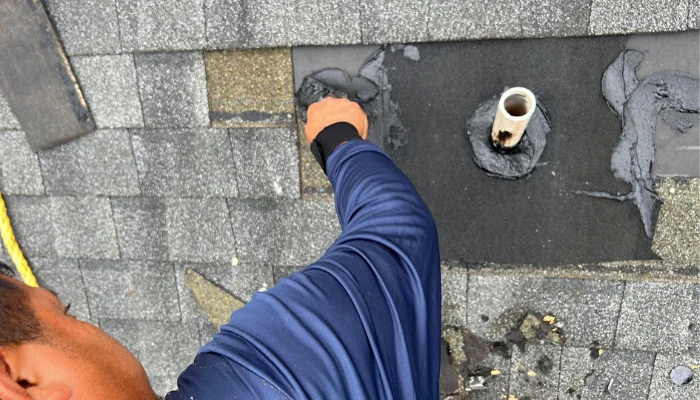
Most leaks start small and stay hidden until they’ve soaked into your insulation, drywall or wood framing. So, if your asphalt shingle roof is leaking, here’s what’s really happening and what to do before it spreads:
- Cracked or missing shingles: Rain slips right through the exposed spots.
- Loose flashing: That metal around vents or chimneys? If it lifts, water gets in.
- Worn sealant: Older roofs lose their waterproof barriers over time.
- Granule loss: Once shingles start shedding granules, they’re easier to penetrate.
- Clogged gutters: Water backs up and finds new ways into your home.
- Improper tarp installation: A tarp nailed down wrong can cause more damage and kill your insurance claim.
Why fast leak repair matters
Water moves fast and not just down. It spreads sideways, so the leak in your bedroom might’ve started on the opposite side of your house. Here’s what can happen if you delay:
- Mold spreads behind walls and ceilings.
- Wood framing rots.
- Electrical wiring gets exposed to moisture.
- Insurance adjusters deny claims if you didn’t protect the area fast.
What to expect from a leak repair
Here’s what happens when our team steps in:

- Visual inspection: We check the shingles, flashing, gutters, and roofline.
- Moisture tracing: We find where the leak started, not just where it ended up.
- Targeted repair: We fix only what’s needed, fast and clean.
- Insurance-friendly approach: We document everything the right way, so you’re not left holding the bill.
And if your roof needs a tarp to protect against more damage? We’ll install it the right way, no nails, no screws, unless there’s no other safe option.
Don’t forget: Leaks don’t stop on their own and insurance companies won’t pay for damage you could’ve prevented. Protect Preserve Roofing is ready to inspect and repair your asphalt shingle roof before the next storm hits. We will come to you.
Types of Damage and the Best Asphalt Shingle Roof Repair Solutions
Florida weather doesn’t mess around. One day it’s sunny. The next, a storm’s ripping shingles off your roof like it’s peeling a sticker. Knowing the type of damage, you’re dealing with is the first step to fixing it fast and right. Let’s break it down.
Wind damage
Strong winds lift, curl or tear off shingles completely. It often starts at the edges, then spreads across the roof like a zipper coming undone. So, look for:
- Curled shingle corners.
- Exposed underlayment.
- Flapping noises during storms.
And the best solution:
- Replace damaged shingles.
- Reinforce edges with proper sealing.
- Check the whole roof, wind rarely damages just one spot.
Hail damage
Even golf ball-sized hail can dent shingles or knock off their granules. Sometimes, the damage isn’t obvious until leaks appear weeks later. Pay attention to:
- Dents that look like dark bruises.
- Granules in gutters.
- Soft spots under your feet on the roof.
And the best solution:
- Replace affected shingles.
- Seal surrounding áreas.
- Schedule a post-storm inspection (especially if your neighbors got hit too).
Heavy rain or poor drainage
Rain doesn’t have to be sideways to cause trouble. If your shingles are worn or your gutters are clogged, water will find its way under the roofline. Look for:
- Stains on ceilings.
- Overflowing gutters.
- Peeling paint near roof edges.
Best solution:
- Clear debris from gutters.
- Replace damaged shingles and flashing.
- Regrade drainage if needed.
Heat and sun exposure
Florida heat wears out shingles like sun on a car’s dashboard. Over time, they dry out, crack, and lose flexibility. Here’s what you need to be careful of:
- Brittle, cracked shingles.
- Faded shingle color.
- Wavy or uneven roof surface.
Best solution:
- Replace brittle sections.
- Upgrade to higher UV-rated materials if needed.
- Schedule maintenance every few years.
Tree or debris impact
Branches that hit or drag across the roof can break or displace shingles. Even small debris piles can hold moisture that breaks down the material underneath. Pay attention to:
- Visible impact marks.
- Shingles missing in a defined area.
- Debris sitting in roof valleys.
And the best solution:
- Remove debris immediately.
- Repair affected spots with matching shingles.
- Inspect decking underneath if the impact was hard.
Improper past repairs
Let’s be honest: not every repair job is done right. Sometimes we fix what someone else “fixed”, usually the cheap way. What to look for:
- Mismatched shingles.
- Caulking where flashing should be.
- Nail pops or uneven lines.
Best solution:
- Remove sloppy patches.
- Reinstall shingles using correct technique.
- Reinforce with underlayment if necessary.
Pro tip: Roof damage doesn’t sit still. Water spreads, shingles weaken, insurance coverage gets tricky and, if the roof deck protection gets wet and mold sets in, that’s a whole other problem. Call Protect Preserve Roofing, we handle every one of these issues fast, clean and with the right tools and materials.
How Much Does Asphalt Shingle Roof Repair Cost?
For most single-family homes in Orlando and across Central Florida, asphalt shingle roof repair typically ranges from $500 to $3,000. That price depends on a few real-world factors:
- How bad is the damage? A handful of missing shingles is cheaper than repairing a whole slope.
- How steep is your roof (pitch)? Steeper roofs require more safety gear and time, which affects labor cost.
- How high is your house? Multi-story homes increase setup time and risk, especially when tarps are involved.
- What materials are needed? Matching older shingle colors or dealing with unique architectural styles can add a little to the total.
- Is a tarp required? Emergency tarp installations are done properly, without nails. And yes, that adds to cost but protects much more than just your shingles.
Is repair cheaper than replacement?
Yes. While repairs often land between $500 and $3,000, a full asphalt shingle replacement usually starts at $7,500 and can go much higher depending on the size of the roof. Also, many replacements could’ve been avoided if the leak or damage had been fixed early.
Will insurance cover the cost?
It depends and this part matters:
- If the damage was sudden (like a tree impact or storm), and
- You protected the roof quickly (like covering with a tarp, not nailed or screwed in),
… then yes, insurance might help. However, if water was allowed to sit, or if the damage got worse over time without action? Most insurers won’t cover it just because your roof got wet, doesn’t mean they’re writing a check.
Emergency Asphalt Shingle Roofing Repair in Florida
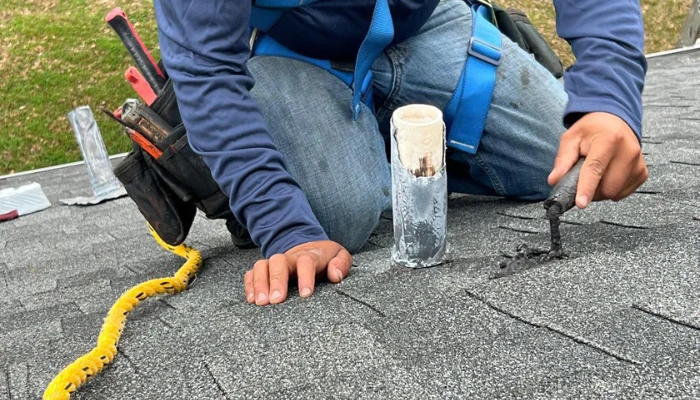
Let’s keep it simple. These are situations that need immediate attention:
- A portion of your roof is missing or peeled back.
- Rain is coming in through the ceiling.
- A tree limb punched a hole in the shingles.
- Wind ripped up shingles or flashing during a storm.
- A tarp was installed wrong or never installed at all.
If you’re seeing water indoors or exposed decking outside, don’t wait. Every passing hour makes the damage worse and more expensive.
Why emergency repairs matter
Here in Central Florida, we’re not strangers to heavy rain, high winds, and hurricane leftovers. What most homeowners don’t realize is that roof damage happens fast, but the consequences roll in even faster:
- Soaked insulation = energy loss and mold.
- Exposed wood decking = rot.
- Unprotected interiors = claim denials from insurance.
The right way to do an emergency tarp install
Not all tarps are created equal, and not all installs are done right. At Protect Preserve Roofing, we never nail or screw tarps unless we absolutely have to. Why?
- Insurance red flag – Fastening a tarp directly to shingles can void your claim.
- Roof damage risk – Nails make holes where water can enter later.
- Better options – We use sandbags, weighted anchors, and tension-based setups.
Only in rare cases (like steep-pitched roofs or severe destruction) do we consider fastening a tarp. Even then, we document everything for your insurance file.
Pro tip from Protect Preserve Roofing: If water is coming in or if you know your shingles took a beating during the last storm, don’t wait for mold or major damage to show up. Emergency roof repair is not just about patching holes, it’s about protecting your home.
Is It Better to Repair or Replace Your Asphalt Shingle Roof?
If you’re asking this question, chances are your roof’s not in perfect shape. So, let’s break it down so the choice is clearer:
- A repair makes sense when:
- Damage is isolated to one area (one slope, one corner, a handful of shingles).
- Shingles are still in good overall condition (no widespread granule loss or curling).
- Roof is under 10–12 years old.
- You want to extend the roof’s life before a planned replacement.
- You’re preparing to sell soon and need a cost-effective fix to pass inspection.
- When it’s time to replace the roof:
- Widespread shingle damage across multiple areas.
- Leaks in different rooms, even after past repairs.
- Roof is over 15 years old, especially in Florida’s climate.
- Visible sagging or soft spots when walked on.
- Previous repairs were done poorly or with mismatched shingles.
- Storm damage is extensive, and insurance is already involved.
If you’ve already paid for multiple repairs and problems keep coming back, it’s likely time to stop spending on short-term fixes and invest in a long-term solution.
Cost comparison
We get it, cost matters. So…
- Repair range: $500–$3,000.
- Full replacement (standard asphalt shingles): $7,500+ depending on size, pitch, and complexity.
However, here’s what we tell every customer: “Don’t spend $1,600 three times a year trying to avoid a $7,500 replacement”. Sometimes, trying to save ends up costing more.
That said, we never push for replacement unless it’s truly needed.
Bottom line: If your roof has life left in it, fix it and keep it going. If it’s telling you it’s done, replacing now saves stress, time and money later.
Asphalt Shingle Roof Installation and Repair Explained
If you’re building a home, replacing an old roof or fixing storm damage, asphalt shingles are likely your best bet. They’re affordable, durable and look clean in most houses. So, let’s walk through how it works the installation, start to finish:
- Full roof inspection: Check the existing structure, look for hidden damage and review attic ventilation. This avoids surprises later.
- Removal of old materials: Strip the roof down to the decking. This ensures new shingles stick properly and no damage gets covered up.
- Decking check and replacement (if needed): If any wood is soft, rotted or warped… replace it.
- Underlayment installation: A water-resistant layer goes down under the shingles. It’s the first line of defense against Florida’s rain.
- Drip edge and flashing: These protect the roof edges and direct water into the gutters, not behind your side.
- Shingle application: Install shingles in overlapping rows, following the right pattern, fastening methods and wind resistance specs for your area.
- Ridge caps and ventilation: The ridge line gets sealed with special shingles and proper vents, so your attic breathes and your roof last longer.
- Clean-up and final walk-through: No nails left behind. No debris in your bushes. Check everything before calling it done.
When a roof needs repair instead
Not every roof needs a full install. If the bones are good, a repair might be all you need. Look at:
- Shingle condition.
- Flashing and seal integrity.
- Decking underneath.
- History of leaks.
- Roof age.
If only one area is compromised – say, a corner got hit by wind or hail – it might often remove the damaged part and replace it with matching shingles. The key is blending the repair in, so it protects well and doesn’t stand out.
Florida-specific considerations
Installing or repairing a roof in Florida isn’t like doing it in the Midwest. Here’s what we deal with here in Central Florida:
- High heat and UV: We use shingles with strong sun resistance.
- Heavy rain and storms: Flashing and underlayment matter just as much as shingles.
- Hurricanes and wind codes: We install to meet or exceed Florida Building Code wind standards – no exceptions.
- Insurance requirements: We document every step of the job to support your claim if needed later.
Why installation quality matters
You can buy the best shingles on the market, but if they’re installed wrong, they’ll fail fast. Poor installation leads to:
- Early leaks.
- Blown-off shingles during storms.
- Denied insurance claims.
- Shortened roof lifespan.
That’s why Protect Preserve Roofing trains every crew member to follow exact specs for every nail, every layer, every flashing detail. We don’t “get it done”. We get it right.
How to Choose the Right Asphalt Shingle Roof Repair Near Me
If you’re trusting someone to work on your roof you need to know they’ll do it right. Here’s how to make sure you’re hiring the right team:
- Make sure they’re licensed and insured: Florida law requires roofers to be licensed, and any legit contractor should carry liability and workers’ comp insurance.
- Ask for local references: Ask for customer references in Orlando or Central Florida, not some job from five years ago in another state.
- Check their storm damage experience: Fixing storm damage takes more than tools. It takes experience with local weather patterns, wind codes and insurance reporting.
- Review their warranty and process: A solid roofing company will offer clear warranty terms, explain what’s being repaired, provide before-and-after photos and never pressure you into extra work you don’t need.
- Look for clean communication: You deserve straight answers, no hidden fees and respect for your time.
Bottom line: Whether you’re dealing with storm damage, slow leaks or just want to fix it before it becomes a problem. Your roof protects everything under it, don’t trust just anyone to repair it.
Conclusion: Why Orlando Homeowners Trust Us for Asphalt Roof Shingle Repair?
You’ve seen the signs. You’ve read the facts. Now it’s just a matter of choosing who to trust with your roof.
Thousands of homeowners across Orlando and Central Florida call Protect Preserve Roofing because we do the job right the first time. We don’t just “patch and go”. We:
- Show up when we say we will.
- Inspect with purpose, not pressure.
- Repair with care, using the right materials, tools and techniques.
- Install tarps properly, with zero shortcuts or insurance issues.
- Explain your options clearly, without confusing terms or pushy upsells.
Whether you’re dealing with a leak, storm damage or shingles that are showing their age, we’ve handled it before. And we’ll handle it again, like pros.
Ready for an Inspection? Reach out now to:
- Schedule a clear, honest and free roof assessment.
- A fast emergency response if needed.
- Call us directly, we actually pick up the phone.
- Get an instant roof estimate.
Don’t wait until water’s dripping from your ceiling or insurance says no.
How do I know if my asphalt shingle roof needs repair or replacement?
We offer honest inspections to help you decide — no pressure, just facts.
What’s the average cost to repair an asphalt shingle roof in Florida?
Is it okay to nail or screw down a tarp to stop a leak?
Nailing or screwing a tarp can cause more roof damage and may give your insurance company a reason to deny your claim.
We use weighted methods first and only use fasteners in rare, justified cases — always documented.
How fast can you come after a storm?
If you’re dealing with active leaks or shingle loss, call us right away.
Our team prioritizes storm-damaged homes and can usually tarp and secure your roof within hours.


Leave a Reply