





Roof deck protection isn’t just an add-on; it’s your roof’s hidden line of defense against thousands of dollars in water damage. However, most homeowners don’t even know it exists until it’s too late.
According to the Insurance Institute for Business & Home Safety, over 35% of property insurance claims in Florida involve roof-related water intrusion, much of which could be avoided with a properly installed underlayment layer.
That’s because not all roof deck protection materials are created equal. Some tear easily. Others trap moisture and create mold… And then there are premium breathable solutions, the kind used by serious professionals who know Florida’s climate inside and out.
That’s exactly what this guide is here to solve. Whether you’re replacing shingles, recovering from storm damage or just doing your research before hiring a roofing company, this is the information homeowners need delivered clearly, without the jargon.
Let’s break it all down.
What Is Roof Deck Protection?
Roof deck protection is the layer that sits between your roof’s decking and the shingles. It might not be visible from the street, but it plays a big role in keeping your home safe and dry. When installed right, this layer prevents water from sneaking into your attic or walls.
Now, here’s the thing. Many homeowners assume shingles alone can handle everything. However, shingles are your first line of defense, not your last. They can crack, lift or blow off.
That’s where roof deck protection steps in. It covers your roof decking and gives you a backup barrier that blocks rain, debris and even heat. In fact, roof underlayment is not optional, it’s essential. Especially here in Orlando and Central Florida, where humidity, hurricanes and heat are just part of life.
So why does it matter? Because it protects your investment. Your roof isn’t just about shingles. It’s a system.
Understanding the Roof Deck
The roof deck is the solid surface, usually made of plywood or OSB (oriented strand board), that supports everything above. It’s where shingles, underlayment and other roofing materials are installed. If that base weakens, your entire roof system is at risk.
Here’s why roof decking matters:
- Holds your roof structure together.
- Gives roofers a flat, secure base to install protection and shingles.
- Resists impact and weather, if it’s dry and undamaged.
- It’s what keeps your home protected long after the storm has passed.
Some homeowners find out too late. A few missing shingles during a storm? Not a big deal, right? But water seeps in, the deck gets soft, and suddenly you’re looking at a $10,000 rebuild. Worse? Your insurance might not cover it, especially if they say you didn’t have proper protection installed.
Bottom line: Roof deck protection is more than just “extra material.” It’s how you keep the deck and everything below it safe.
Common Causes of Deck Damage
Most roof deck damage starts small. Tiny issues that build up until you’ve got mold in the attic or a soft spot that caves under pressure. So, let’s break down the most common reasons your deck is damaged and what you can do to stop it.
- Water leaks from missing or damaged shingles: Shingles blow off during a storm, or crack under the heat, and suddenly your roof is letting water drip onto raw wood.
- Prevention: Install a quality roof deck protection layer underneath the shingles. It acts like a second skin, catching water even if the top layer fails.
- Poor or no roof deck protection: Believe it or not, some homes don’t have any underlayment and once water hits exposed wood, the damage begins. Swelling, mold and warping follow fast.
- Prevention: Use modern synthetic roof deck protection, especially in humid regions like Florida. These materials are breathable, durable and resist tearing even under tough conditions.
- Trapped moisture and condensation: In some cases, warm air from inside your house hits the cold deck and creates moisture from the inside out. That hidden dampness can rot wood over time.
- Prevention: Ensure your attic is properly ventilated and use breathable underlayment that lets vapor escape without letting water in.
- Poor installation or fastener penetration: If tarps, underlayment or shingles are nailed, stapled or screwed incorrectly, it creates holes that water can follow right to the deck.
- Prevention: Use sandbags or safe tarp anchoring instead of nails and only allow trained professionals to handle repairs or emergency coverings.
- UV exposure and heat damage: Florida sun doesn’t play around. UV rays dry out wood, cause cracking and weaken the structural integrity.
- Prevention: Use roof deck protection rated for UV exposure and schedule timely roof repairs.
Bonus tip: Just because your roof leaks doesn’t mean your insurance will pay. If the damage on the deck is due to poor maintenance or missing protection, they can deny your claim. That’s why it pays to protect it the right way from the start.
Felt vs Synthetic Roof Deck Protection
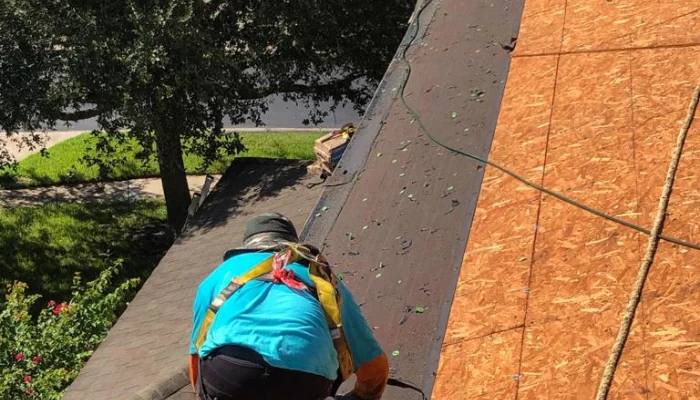
Both materials aim to do the same job: keep your roof deck dry and protected. Therefore, how they perform under pressure is where the difference really shows. Let’s get straight to the point:
| Feature | Felt Roof Deck Protection | Synthetic Roof Deck Protection |
| Material | Asphalt-saturated paper or fibreglass | Spun or woven polymer |
| Water Resistance | Absorbs moisture over time | Repels water effectively |
| Tear Strength | Low — rips easily, especially when wet | High — holds up during installation and bad weather |
| UV Exposure Limit | ~30 days before it breaks down | Up to 180 days (varies by brand) |
| Safety for Roofers | Slippery surface, especially when wet | Textured surface for better grip |
| Weight | Heavy and harder to work with | Lightweight, easier to install |
| Durability in Florida | Poor performance in heat, rain, and wind | Excellent — built for extreme conditions |
| Breathability | None — traps moisture | Available in breathable versions (e.g., Deck Armor™) |
| Mold and Rot Risk | High — especially after storms | Low — dries quickly and resists mold |
| Cost | Cheaper upfront | Higher upfront, saves more in the long run |
So, if you’re in a dry climate with mild weather, felt might hold up for a while. But in Florida, it’s just not enough. Synthetic roof deck protection is the better long-term choice. It lasts longer, handles storms better and gives your roof an extra layer of defense.

Quick reminder: Spending a little more now could save you thousands in damage later. At Protect Preserve Roofing, we only install high-grade synthetic underlayment because your roof deserves protection that works.
What Makes Tiger Paw Roof Deck Protection Stand Out?
Tiger Paw™ isn’t just a fancy name slapped on another roll of underlayment. It’s one of the most trusted synthetic roof deck protection products on the market and for good reason. Take a look:
| Feature | Why It Matters |
| Tear Resistance | Engineered to withstand foot traffic, high winds, and tough installation jobs. |
| Breathable Material | Reduces trapped moisture — helps prevent mold and rot inside your roof structure. |
| UV Protection (Up to 180 Days) | Keeps performing even if shingles aren’t installed right away. |
| Slip-Resistant Surface | Safer for roofers — no skating around in the rain. |
| Lightweight Roll | Easier and faster to install than traditional felt. |
| Compatibility with GAF Systems | Offers enhanced warranty options when used with other GAF roofing materials. |
Central Florida is a testing ground for roofing materials. You’ve got:
- Sudden storms.
- Humidity that could steam a steak.
- Blazing sun that cooks anything not covered.
Tiger Paw™ was made for this kind of punishment, as you can see. It doesn’t wrinkle like felt, won’t bubble or trap moisture under your shingles. And it lets your roof “breathe.
Quick reminder: You’re not just buying a name. You’re buying fewer callbacks from roofing issues, better protection for your decking, a safer surface for crews working on your home and peace of mind during hurricane season. And when installed by a certified crew like Protect Preserve Roofing, you know it’s going to be done right.
Fire-Resistant Options: VersaShield Roof Deck Protection
Most homeowners worry about water damage, but there’s another silent threat to your roof deck, especially in high-risk areas: fire.
That’s where VersaShield® Fire-Resistant Roof Deck Protection comes in. It’s not hype. It’s science and in certain cases, it can make a big difference in how your roof handles heat and exposure to flames.
What is VersaShield®?
VersaShield is a high-performance underlayment that adds an extra layer of fire resistance between your shingles and the roof deck. It’s designed for homes where fire safety isn’t just smart, it might be code-required.
While typical synthetic or felt underlayment can ignite quickly under the right conditions, VersaShield has been tested and classified for fire-rated assemblies, especially under Class A roofing systems. Let’s take a quick look:
| Feature | Standard Synthetic Underlayment | VersaShield® |
| Fire Resistance | Low or non-rated | Class A fire-rated compatibility |
| Material Composition | Polyolefin or polymer | Fiberglass-reinforced fabric |
| Weight & Installation | Lightweight | Slightly heavier, still manageable |
| Moisture Protection | Moderate to High | High |
| Use Case | General residential use | Fire-prone zones, strict building codes |
When do you actually need fire-resistant deck protection?
Here’s the honest truth, not every home needs VersaShield, but in areas where:
- Your building code requires a Class A rated roof system.
- There’s exposure to wildfires or high heat zones.
- You live in attached housing or commercial buildings.
- You want maximum resistance for long-term peace of mind…
…it can be a smart and safe upgrade. Some HOA or city ordinances may even require it, especially in commercial buildings or denser neighborhoods.
Bonus insight for Florida homeowners: You might be thinking “Does fire resistance even matter in Central Florida where water is the big threat?” Actually, yes. Lightning strikes can ignite rooftops during summer storms, and some cities are tightening roofing code enforcement. Even if you don’t need it now, fire resistance roof deck protection is a smart option.
How Roof Deck Protection Is Installed
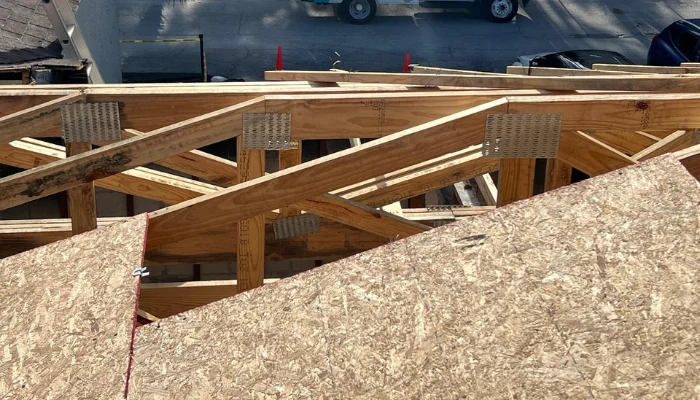
Installing roof deck protection might look simple from the ground. Therefore, when it’s done wrong, it can cause more harm than good. If the protection layer doesn’t lay flat. If it’s punctured too much, or if the wrong material is used for your home’s pitch and exposure, that “quick job” becomes a slow leak you won’t notice until you’re bailing out your attic.
This is how the installation should follow:
- Inspect and prep the roof deck
- The wood must be dry, flat, and damage-free.
- Any warped, soft, or rotting areas must be replaced first.
- Debris and nails removed to avoid puncturing the underlayment.
- Roll out the underlayment
- Starts from the bottom edge of the roof and rolls upward.
- Overlaps are carefully measured (typically 3–6 inches depending on slope).
- Secure it properly
- Synthetic underlayment requires plastic cap nails or cap staples.
- These prevent tearing and ensure wind resistance.
- No traditional staples or roofing tacks, they tear through material.
- Avoid over-penetration
- Nails or fasteners should not go too deep.
- Punching holes through the protection layer defeats its purpose.
- Seal vulnerable areas
- Valleys, ridges, vents and edges get extra attention.
- These are common leak zones if improperly sealed.
- Final walkthrough
- Ensure everything is tight, wrinkle-free and aligned.
- Correct any bubbles or lifted edges immediately.
Why it has to be done right
You’re not just protecting your roof against a light drizzle. You’re dealing with:
- Sudden downpours that drop inches in minutes.
- 60+ mph wind gusts during summer storms.
- Humidity that seeps into everything if trapped under layers.
- Long exposure to sun if roofing is delayed.
If even one corner is lifted or one overlap is loose, water finds its way in. And once it reaches your deck? Mold, swelling, and structural damage follow fast.
Why choose a pro?
A sloppy underlayment job can ruin even the best shingle installation. That’s why our crews follow strict protocols, especially for Central Florida homes, where storms don’t give second chances.
Protect Preserve Roofing installs every layer like your house depends on it, because it does.
How Much Does Roof Deck Protection Cost?
Roofing isn’t cheap. However, skipping roof deck protection just to save a few bucks? That’s a shortcut to leaks, rotting and denied insurance claims. Now, let’s break down what you’re really paying for:
| Material Type | Average Price (per 1,000 sq ft) | UV Resistance | Water Protection | Durability |
| Felt (15 lb) | $40 – $75 | Up to 30 days | Basic | Low |
| Felt (30 lb) | $75 – $110 | Up to 30 days | Moderate | Medium |
| Standard Synthetic Underlayment | $100 – $180 | 60–90 days | High | High |
| Premium Synthetic (Tiger Paw™, etc.) | $180 – $300+ | Up to 180 days | Very High | Very High |
| Fire-Resistant (VersaShield®) | $250 – $400+ | Up to 90 days | High | Fire Rated (Class A) |
Note: These prices refer to materials only. Labor and removal of old underlayment are separate.
What impacts the final cost?
It’s not just the material that affects your total. Here’s what else matters:
- Pitch of your roof: Steeper roofs cost more to work on.
- Height: Second- or third-story installations involve more safety gear.
- Roof size: Bigger area = more materials = more time.
- Tear-off vs overlay: Removing old layers adds labor and disposal costs.
- Urgency: Emergency installations may come with extra fees.
A note on tarps
In emergencies, tarp installation alone can cost $800–$1,600, depending on:
- Roof height.
- Pitch.
- Damage severity.
- Access challenges.
Therefore, tarps are temporary. They don’t replace deck protection; they just buy time. When installed incorrectly (like nailed through shingles), they can void your insurance coverage. Be careful.
Bottom line: You don’t need the most expensive product on the market, but skipping quality underlayment to save a few hundred bucks? That’s how small leaks become soaked insulation, moldy ceilings and insurance headaches. At Protect Preserve Roofing, we always match the right protection to your roof. No upsell.
Conclusion: Protect Your Roof Deck Before It’s Too Late
In Central Florida, where heat, humidity and hurricanes are part of the routine, your roof deck is under constant attack. Water sneaks in through loose shingles. UV rays beat down on exposed spots. Mold grows in trapped air pockets.
Here’s what you can do today:
- Choose synthetic protection that resists Florida’s weather.
- Stay away from outdated felt that falls apart in moisture.
- Install with a crew that knows what they’re doing and doesn’t cut corners.
- Avoid nailing tarps unless you absolutely have to (and even then, with caution).
- Ask questions, get answers and protect the wood under those shingles.
Why do homeowners in Orlando and Central Florida trust us?
At Protect Preserve Roofing, we show up prepared. We’ve repaired and protected hundreds of homes across the region: from emergency tarp installs (done safely and without voiding coverage), to full roof replacements.
Whether your roof deck is old, exposed or at risk, we’ll come to your house, walk you through the options and make sure you’re covered.
Ready to stop worrying about leaks, mold or denied claims? Let’s fix it before it gets worse:
- Schedule a clear, honest and free roof assessment.
- Call us directly, we actually pick up the phone.
- Get an instant roof estimate.
We proudly serve Orlando and all of Central Florida. Yes, we’ll come to you.
What is the purpose of roof deck protection?
Do I really need underlayment if I already have shingles?
What’s the difference between felt and synthetic underlayment?
Can I install roof deck protection myself?
Leave it to professionals like Protect Preserve Roofing.


Leave a Reply