



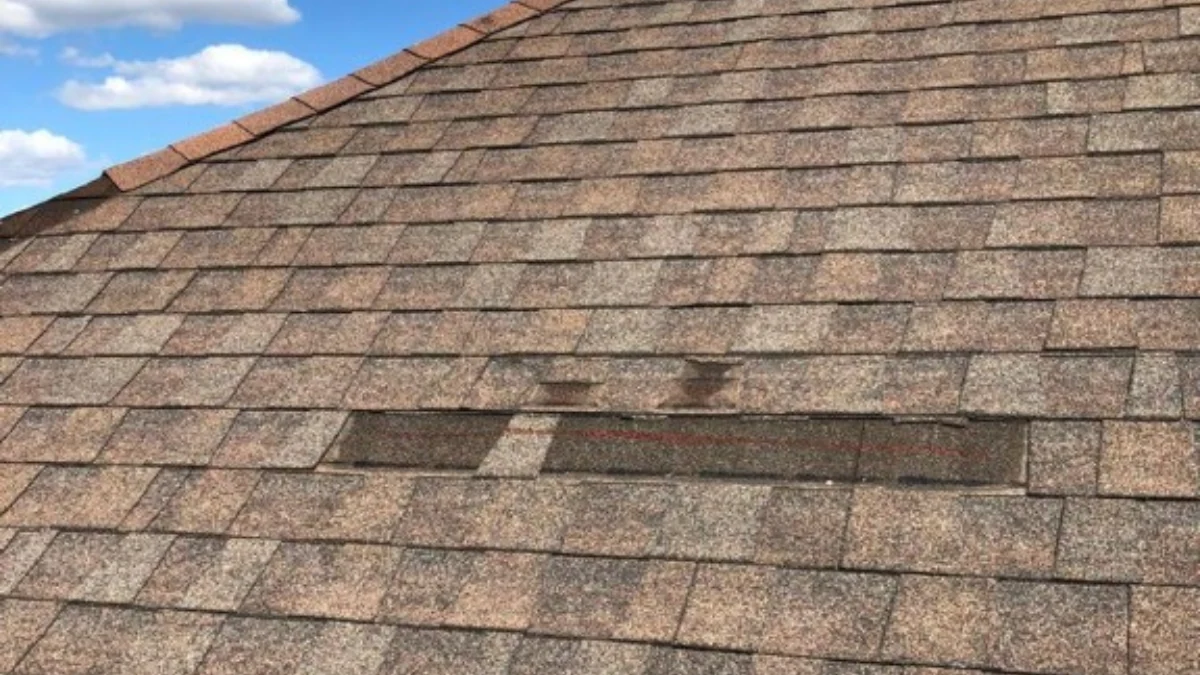


Storm damage roof repair isn’t something you plan for, but when it hits, every second counts. After all, a single missing shingle roof or cracked tile can lead to soaked insulation, ceiling stains, or even structural rot. Did you know that over 65% of home insurance claims in Florida are related to wind or hail damage after major storms? And worse: many homeowners don’t even realize the damage until it’s too late.
If you’re standing in your living room with a dripping ceiling or spotted watermarks after a storm, you’re not alone and this guide was written exactly for situations like yours.
We’ll walk you through all of it, so you can protect your home, avoid common (and expensive) mistakes and know exactly when to act. Whether you live in Orlando, Central Florida or nearby areas, Protect Preserve Roofing is ready to respond fast with licensed professionals, trusted insurance processes, and proven results.
So, let’s get started. You’ve got questions, and we’ve got answers that make sense.
Table of contents
What to Do Right After a Storm Damages Your Roof
Storm damage roof repair starts with knowing what steps to take fast.
If your roof just took a hit from heavy wind, rain or hail, don’t wait for water to start dripping from the ceiling. Damage isn’t always obvious from the ground and delaying action can turn a small problem into a full-blown headache.
1. Stay safe and don’t climb the roof
We get it, your first instinct might be to grab a ladder. However, please don’t. Wet, unstable roofing can be dangerous and climbing it after a storm puts you at risk. Your safety comes first. Instead, inspect what you can from the ground:
- Look for missing or lifted shingles.
- Check for debris like tree limbs.
- Spot any flashing or metal pieces that look bent or hanging.
- Notice if parts of the soffit or fascia are damaged or missing.
If you notice anything unusual, that’s your cue to call a professional roofing company like Protect Preserve Roofing.
2. Photograph everything
Take clear photos and videos of visible damage. Include:
- Shingles on the ground.
- Water stains on ceilings or walls.
- Gutters or downspouts out of place.
- Debris piles near the home.
Pay attention: These visuals are essential for documentation, and your insurance company will want them.
3. Cover interior items if needed
If water is leaking inside:
- Move furniture, electronics and valuables out of harm’s way.
- Use buckets, towels or plastic sheeting to reduce interior damage.
This simple action helps prevent more losses before the professionals arrive.
4. Call for emergency roof tarp installation
In Florida, most homeowner insurance policies require that you take steps to mitigate further damage. Installing a tarp is the most common and effective way to do that.
Important: Never nail or screw a tarp directly into the roof unless a professional confirms it’s absolutely necessary. In most cases, it can cause more damage and even affect your claim. At Protect Preserve Roofing, we use weighted tarps and safe, insurer-approved methods to avoid that risk.
We offer 24/7 tarp installation and our team usually responds within 2 hours anywhere in Central Florida. Click here to request an emergency tarp now.
5. Schedule a professional roof inspection
Once your home is stabilized, it’s time to schedule a full roof inspection. Even if you don’t see interior leaks, damage could be hidden beneath the surface. Our licensed inspectors use drones, photos and carrier-approved documentation tools like Xactimate to prepare your case for common repair or replacement.
Visible Signs of Roof Storm Damage You Should Never Ignore
Storm damage doesn’t always mean half your roof is gone. In fact, the most dangerous issues are often the ones people overlook. A few missing shingles or a small leak might not seem like a big deal, but in Florida’s humid climate, water intrusion can snowball into mold, structural decay, or insulation failure fast. So, what should you be looking for after a storm?

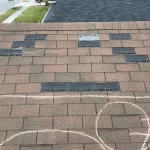
- Missing or lifted shingles: One or two missing shingles can let water into the roof deck, especially after a wind-driven storm. Lifted shingles may still be in place, but if the adhesive seal breaks, they’re vulnerable to blowing off later or letting water sneak underneath.
- Pro Tip: Architectural shingles are more durable than 3-tab, but no shingle is windproof. Always check after gusts over 50 mph.
- Granule loss or “bald spots”: After hail or heavy rain, asphalt shingles may lose their protective granule layer. You might see granules collecting in gutters, discoloration on the roof and bald patches exposing the black asphalt layer. These spots age your roof faster and increase heat absorption.
- Cracked, bruised, or dented shingles: Hail can cause dents that are easy to miss but deadly over time. Shingles with surface bruises, cracks or soft spots may fail during the next rain. You don’t want to find out the hard way with a ceiling stain.
- Damage around flashing, vents or skylights: The metal parts of your roof are prime targets during wind or hailstorms. Look for:
- Bent or detached flashing.
- Cracked rubber seals around vents.
- Gaps around chimneys or skylights.
- Sagging or staining on ceilings and walls: Water stains or bubbling paint inside your home? That’s not just cosmetic, it usually means moisture has made its way through the roof. If left unchecked, it could lead to mold, insulation damage or warped drywall.
- Clogged or broken gutters: Don’t forget to check the drainage. If your gutters are full of granules, leaves, or roof debris, water can back up and soak into your fascia and soffits.
If you spot any of these signs, it’s time to act. Our licensed team at Protect Preserve Roofing offers emergency inspections and storm damage roof repair throughout Orlando and Central Florida. We don’t just “patch and go”, we document everything with photos, drone scans, and insurance-ready estimates. Get a free storm damage roof inspection.
Temporary Fixes You Can Do Before Help Arrives
While waiting for professional help, it’s smart to take a few safe, short-term steps to reduce further damage. But here’s the deal: don’t grab a ladder and climb onto the roof. Most injuries during storm cleanups happen this way. Here are safe, effective things you can do to buy time until a licensed crew arrives:
- Place buckets or towels under leaks: Sounds basic, but it works. If water is dripping indoors, place buckets under the leak and lay down towels or plastic sheeting to protect flooring. If ceilings sag, call a pro, water buildup can lead to collapse.
- Move belongings away from affected areas: Protect electronics, furniture, clothes, and valuables by moving them away from the leak zone. Mold can begin growing within 24–48 hours, so act fast.
- Photograph everything: This step matters for insurance and repair crews:
- Take wide shots of visible roof damage from the ground.
- Snap interior ceiling stains or leaks.
- Document any fallen branches or debris.
- Cover exposed areas with a tarp: If parts of the roof are visibly open and it’s safe to do so from the ground or a window (like a patio roof), you can try to secure a tarp using:
- Weights like sandbags or bricks (never nails or screws).
- Waterproof tape around skylight frames or vent edges.
Important: Do not nail, staple or screw tarps into your roof unless absolutely necessary, like on steep pitches where sandbags won’t hold. This can void insurance and cause even more damage. If the roof is too high or unstable, don’t risk it. Wait for a trained crew.
- Clear small debris, but only if it’s safe: If lightweight debris (like palm fronds or shingles) is stuck in gutters or walkways, you can remove it again, only from the ground. Don’t try to remove heavy branches or climb up to brush off the roof.
- Shut off electricity if leaks are near outlets: If water is dripping near light fixtures or outlets, turn off the power in that area from the breaker. Safety first.
- Schedule your inspection immediately: Storm damage roof repair companies in Central Florida fill up fast after major storms. The sooner you schedule, the faster we can tarp, inspect, and document everything for your claim.
Need emergency help? Our team responds fast in Orlando, Tampa Bay, Daytona Beach and surrounding areas, day or night. Book an inspection now and we’ll handle the rest.
Documenting Storm Damage for Your Insurance Claim
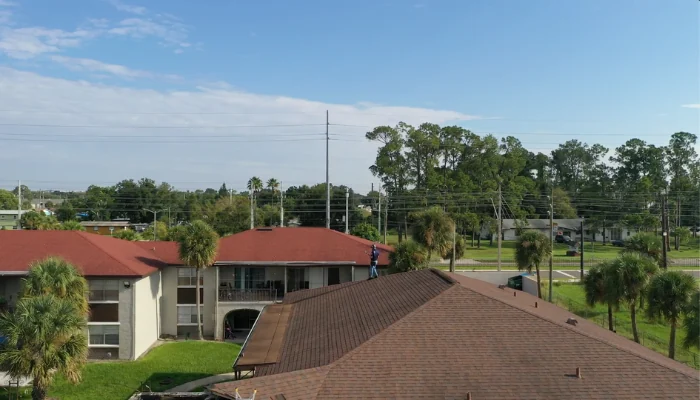
After a storm, your roof isn’t the only thing that needs attention. However, if your documentation is weak, your claim might be delayed, reduced or even denied. Let’s make sure that doesn’t happen.
Why proper documentation matters
Insurance companies require clear, timely, and detailed evidence to approve storm damage roof repair claims. The more accurate your records, the smoother the process.
According to the Insurance Information Institute, insurers pay out billions annually on storm-related property claims, but the speed and success of your payout often come down to how well you document the damage.
Step-by-step: How to document roof storm damage
Here’s how to gather everything your insurance company wants, without overcomplicating the process:
- Take clear photos from the ground: Start immediately after the storm. Take wide and close-up shots of:
- Missing or damaged shingles.
- Dents or holes from hail.
- Branches or debris on the roof.
- Gutters or flashing pulled away from the roofline.
- Water stains on ceilings or walls inside.
- Capture video footage: Walk around the property and film a 360° view. Narrate if you can, saying what you’re seeing, this creates a live timeline and adds credibility.
- Photograph interior damage too: Roof leaks often show up as:
- Yellow or brown ceiling spots.
- Peeling paint.
- Wet insulation or attic beams.
- Don’t throw anything away yet: Keep damaged shingles, broken tiles or insulation if they fall off. These items are physical proof. Place them in a bag or container until after your inspection, your roofing contractor or insurance adjuster might need to examine them.
- Keep a log of events: Note everything that happens, such as:
- The time the storm hit.
- When you noticed damage.
- Any steps you took to prevent further damage (like installing a tarp).
- Who you spoke with at your insurer.
- Save receipts and estimates: If you buy a tarp, pay for emergency services or need to stay elsewhere temporarily, save all receipts.
- Schedule a professional roof inspection: Insurers trust licensed vendors, especially those already approved. At Protect Preserve Roofing, we’re vetted and recognized by leading insurance carriers across Florida. We document every inch of your damage with:
- Drone photography.
- Moisture readings.
- Insurance-compliant reports.
Should You Repair or Replace a Storm-Damaged Roof?
The short answer? It depends on:
- The extent of the damage.
- The age and condition of your roof.
- Your insurance coverage.
- And sometimes, local code requirements.
So, if your roof is relatively new (under 10–12 years) and the storm damage is isolated, like a few missing shingles or minor flashing damage, a targeted repair can be fast, cost-effective and perfectly reliable.
- No leaks inside.
- No widespread lifting or curling of shingles.
- Structural decking remains solid.
- Material still under warranty.
In these cases, our repair crews at Protect Preserve Roofing can often be in and out the same day.
When replacement is the smarter call
Sometimes, repairing a roof is like putting duct tape on a cracked windshield. It might hold for a bit, but it’s not the long-term fix you need. Here’s when replacement makes more sense:
- Shingles are missing in multiple areas.
- There’s clear evidence of structural damage.
- You see water stains or sagging inside the home.
- The roof is over 15–20 years old.
- You’ve had multiple repairs already.
- Insurance adjusters determine replacement is “more cost-effective”.
Quick reminder from Protect Preserve Roofing: Did you know? Florida Building Code requires full replacement if more than 25% of the roof is damaged within a 12-month period. In this case, patching isn’t even an option.
Insurance can tip the scale
If your roof qualifies for full replacement due to storm damage, your homeowner’s policy may cover most of the cost (minus deductible). That’s why proper inspection and documentation are so critical.
Don’t forget: Just because water enters your home doesn’t mean insurance is obligated to pay. It depends on how fast you act and how well you document and that’s where we help from day one.
Pro tip from Protect Preserve Roofing: If your roof took a hit, don’t rush to patch it yourself or wait too long. A small leak can become a major interior repair fast. Get the facts, weigh the costs, and let professionals walk you through the smartest option.
Storm Damage Roof Repair in Orlando & Central Florida
If you’re dealing with a storm-damaged roof anywhere in Orlando or across Central Florida, you’re not alone and you’re not without help. In this region, tropical storms and hurricanes can roll in fast, quick action matters.
Why Florida homeowners trust us
There’s a difference between hiring any roofing company and hiring one that’s built for Florida’s storms. We don’t just understand roofing, we understand how wind-driven rain, hail and flying debris uniquely affect Florida homes.
Our teams are Florida-licensed, fully insured and trained to meet state and insurance standards, with fast mobilization and real-time communication from start to finish.
2-hour response for emergency tarps
Yes, we will come to you and fast. Our average response time for emergency roof tarping across our Florida corridor is under two hours.
Emergency roof tarp pricing ranges from $800–$1,600, depending on damage, height, and pitch and we never recommend nailing or screwing into your roof unless it’s absolutely necessary (and approved by you and your insurer). Why? Because that can void claims or make things worse.
Storms don’t wait. Neither should you.
After a major storm, delays can cost you. Water intrusion can spread fast. Insurance coverage can get murky. That’s why thousands of Florida homeowners rely on us to get there quickly and do it right the first time.
Our inspections include:
- Drone photos or ground documentation.
- Moisture readings.
- Insurance-formatted estimates.
- Clear repair vs. replacement guidance.
- Help sharing information with your adjuster.
Whether you live in downtown Orlando or a quiet suburb outside Tampa, we’ve got teams on standby. Book your storm damage roof repair in Central Florida now. Let’s stop the damage before it spreads and protect your home the way we’d protect our own.
Storm Damage Repair for Commercial Roofs
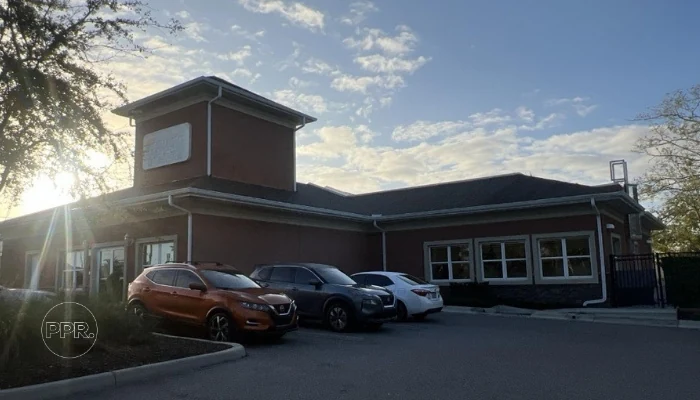
Storm damage doesn’t just hit homes; it shuts down businesses. When your commercial roof is compromised, every hour counts. Lost inventory, safety risks and business interruptions can snowball quickly if not handled fast and right.
At Protect Preserve Roofing, we understand that downtime means lost revenue. That’s why we offer priority commercial storm damage roof repair services throughout Orlando and Central Florida, from retail plazas to warehouses, offices to schools.
We repair all types of commercial roof systems
No two commercial roofs are alike. That’s why our team is trained and equipped to handle damage across a wide range of systems, including:
- Flat roofs (TPO, PVC, Modified Bitumen).
- Metal roofing systems (standing seam, screw-down panels).
- Low-slope asphalt-based membranes.
- Stone-coated metal and specialty systems.
Don’t know what system you have? No problem, we do.
Fast, safe and insurance-compliant repairs
We handle commercial roof emergencies with the same speed and precision as residential jobs, but with an added layer of compliance. Our process is built to satisfy both your insurer and your building code inspector:
- Damage assessments with photo/video evidence.
- Moisture detection to catch hidden leaks.
- Carrier-formatted documentation.
- Safety-first protocols for staff and visitors.
- Emergency tarping without nails or screws unless necessary.
And yes, we use Xactimate and Cotality, the same platforms used by national insurance carriers, to ensure a smoother claims process.
Commercial property owners: don’t wait to act
Many business owners delay storm damage roof repair until interior signs appear. By that time, you may be dealing with mold, ceiling collapse, or major electrical risks. Florida weather moves fast and so does deterioration.
So, you focus on your business, we’ll handle the roof. Our licensed commercial crews are on-call now to inspect, tarp and restore your roof before small common issues become costly disruptions.
How Our Experts Handle Storm Damage Repair from Start to Finish
Storm damage can catch any homeowner off guard. Therefore, when you call Protect Preserve Roofing, you’re not just getting a crew, you’re getting a structured, professional response from the first call to the final inspection. Here’s how we do it:
- Rapid contact and dispatch (available 24/7): Storm just passed? Don’t wait. The sooner you act, the better. When you call us:
- We’ll respond within 2 hours (target response time across Central Florida).
- A coordinator gathers basic info: location, type of damage, safety concerns.
- We prioritize active leaks and exposed interiors first, no delays.
- Initial roof inspection (no climbing required from you): Our licensed pros perform a full exterior evaluation:
- We use drone technology or safe ladder access, no risky climbs for you.
- Photo documentation of shingle damage, flashing, leaks and impact zones.
- Moisture readings to find hidden damage.
- Assessment of roofing material type and age (shingle, tile, metal, flat, etc.).
- Emergency roof tarp installation (when needed): If your roof is leaking or compromised:
- We’ll install a storm-grade emergency tarp that’s weighted and sealed.
- We do not use nails or screws unless it’s unavoidable (e.g. steep pitch, extreme exposure).
- Every tarp install includes photos, location tags, and documentation for insurance purposes.
- Damage report + carrier-formatted documentation: Within hours of inspection, we’ll provide:
- A full scope of damage and recommended actions.
- High-resolution photos, mapped diagrams, and moisture scans.
- An estimate created in Xactimate or Cotality — the same tools used by top insurance carriers.
- Insurance communication support: We don’t interpret policies or negotiate settlements (in compliance with Florida law), but:
- We do speak directly with your adjuster if you request it.
- We share everything: photos, measurements, scope of work and timelines.
- This saves you time, reduces errors and gets you closer to approval.
- Roof Repair or replacement: We follow a repair-first philosophy. If the structure can be safely fixed, we’ll do it. But if replacement is the only safe option, we’ll explain why, with proof. You’ll always receive:
- A clear breakdown of materials, labor and timelines.
- Guidance on permits, HOA paperwork and city requirements.
- Options for financing uncovered costs or deductibles.
- Final inspection and clean-up: When work is done, we don’t just pack up and leave.
- We run magnetic sweeps to remove nails.
- Inspect flashing, vents, gutters and seals.
- Confirm proper ventilation and code compliance.
- Provide final photo proof for your records.
Conclusion: Live in Orlando or Central Florida? We’ll Come to You
Storms don’t wait and neither do we. Whether your home is in Orlando, Tampa, Daytona, or anywhere across Central Florida, our emergency roof repair crews are ready to move fast when your roof takes a hit.
We know how frustrating and overwhelming it can be to deal with leaks, damage, or insurance paperwork when you’re already stressed and we’re here to take that weight off your shoulders.
From emergency tarping to full storm damage repair, we bring the tools, the team, and the documentation you need to get things done right – the first time. No surprises. No shortcuts.
So, if your roof’s been damaged and you’re searching for storm damage roof repair near me, you’ve already found the right place.
- Request Your Fast, No-Pressure Estimate Now, we’ll come to you, tarp ready.
Or explore more at protectpreserveroofing.com.
Let’s fix the damage before it spreads and give you peace of mind that your roof (and insurance) is in good hands.
How do I know if my roof damage needs emergency repair or can wait?
What should I do immediately after a storm damages my roof?
Take photos or video from ground level (for insurance).
Move valuables away from the affected area inside.
Don’t climb the roof — it’s unsafe.
Call a licensed roofing professional to inspect or tarp it.
We aim for a 2-hour emergency tarp response within our Florida service corridor.
Will insurance cover my storm-damaged roof?
Keep your invoices and photo proof.
We’ll help you prepare everything you need for your claim.
How fast can you get to my property in Orlando or nearby areas?
No matter where you are in Central Florida — we’ll come to you.


Leave a Reply