





3-tab asphalt shingles remain one of the most widely used roofing materials in North America, accounting for over 50% of asphalt shingle installations, according to the Asphalt Roofing Manufacturers Association.
However, even though it is so popular, many homeowners still wonder: “Are 3-tab shingles still worth it in today’s market?”. In fact, thousands of homeowners each month search for the same answer, trying to balance cost, durability, aesthetics and long-term value.
So, in this guide we’ll deliver exactly what you’re looking for: a clear, objective and human-centered overview of 3-tab asphalt shingles, including real pricing data, expert-backed insights, installation tips and what most guides still fail to explain.
If you’re planning to re-roof your home, make a smart investment or simply avoid common mistakes, stay with us your decision-making just got easier.
Table of contents
What Are 3-Tab Asphalt Shingles?
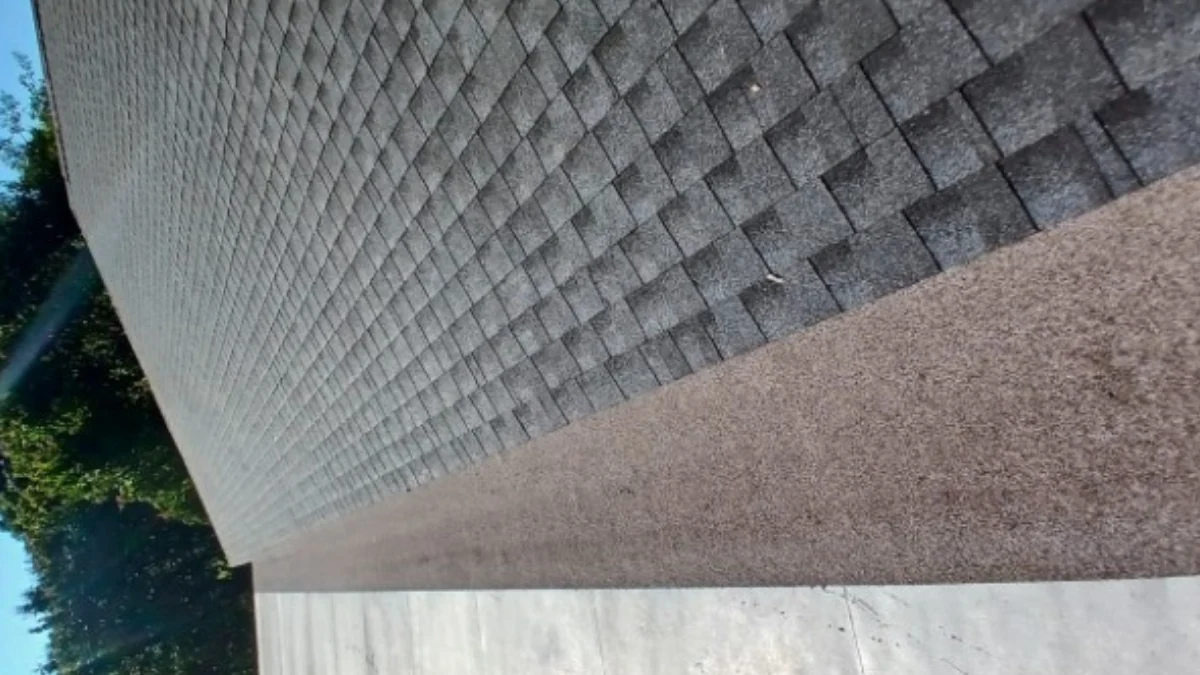
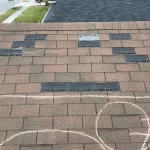
3-tab asphalt shingles are flat, rectangular roofing materials made from asphalt and fiberglass, like this:
- A fiberglass base layer for strength.
- An asphalt coating for waterproofing.
- Ceramic granules to reflect sunlight and add color.
Each piece is cut to look like three smaller shingles, giving a clean, uniform appearance once installed. They’re simple, dependable and have protected millions of American homes for decades. No frills, just solid roofing that does its job.
How do they work?
Each shingle overlaps the one below, locking into place to create a watertight seal. The result is a roof that resists wind, rain and sun without asking for too much maintenance.
Most 3-tab shingles are 12 inches high and 36 inches wide and one bundle usually covers about 33.3 square feet. They’re often seen on single-story homes, rental properties, garages, sheds and budget-friendly roofing projects.
Little note: 3-tab asphalt shingles are light, easy to carry, and straightforward to install, especially in the hands of those who know what they are doing, like the Protect Preserve team.
Also read:
3-Tab Asphalt Shingles vs Architectural Shingles
Choosing between 3-tab asphalt shingles and architectural shingles is like choosing between a reliable daily car and a high-performance SUV. Both will get you home dry, but they offer different things depending on what you need, how much you want to spend and how long you plan to stay in the house.
Therefore, you first need to understand their differences to know which would be best for each case, and one of them concerns design and thickness:
- 3-tab shingles are thin, flat and uniform. Each piece looks like three separate tabs.
- Architectural shingles are thicker, with a layered, dimensional look that mimics wood shake or slate.
When talking about durability and lifespan:
- 3-tab shingles usually last 15 to 20 years, if installed correctly and maintained.
- Architectural shingles often last 20 to 30 years, thanks to their extra layers and weight.
That said, in areas with heavy storms, strong winds or intense sun, Protect Preserve Roofing always checks if the cost of upgrading makes real sense because sometimes it does.
Speaking of strong winds, this brings us to weather resistance:
- 3-tab shingles can resist wind up to 60 mph.
- Architectural shingles resist up to 110–130 mph.
Finally, the part that many homeowners look for… the price:
- 3-tab asphalt shingles: lower material + labor cost.
- Architectural shingles: around 20%–30% more expensive.
Little reminder: If you have any doubt, call Protect Preserve Roofing. We’ll always help you decide based on your roof, your timing and your reality.

Are 3-Tab Asphalt Shingles Still a Good Choice?
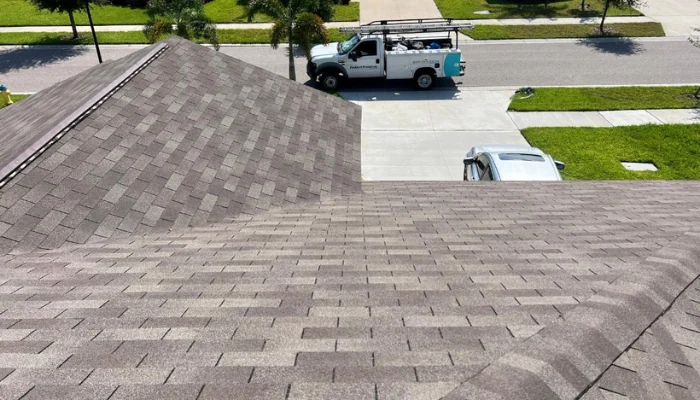
Yes, if you know what you’re doing. Let’s break it down so you don’t get into trouble thinking that every roof needs to look like a Persian rug.
Cost vs value
The 3-tab asphalt shingles still offer the best price-performance ratio for many homes. They’re usually 20% to 30% cheaper than architectural shingle, both in materials and labor. That difference matters when:
- The budget is tight.
- The roof is simple (2 slopes, no valleys, no drama).
- You’re covering a rental, garage, or an addition.
- Or you’re not planning to stay in the house for 30 years.
Performance in real conditions
Let’s be clear: these shingles are still built to last, especially when installed right. Most 3-tab shingles come with 15- to 20-year warranties and when placed correctly, they handle wind, sun and rain just fine.
Because architectural shingles look fancier and marketing always talks about it. That’s it. But guess what? Flashy doesn’t always mean better. In many jobs we’ve done, especially in high-pitch roofs or time-sensitive repairs, 3-tab shingles were the smarter call.
They’re easier to transport, install and replace. That’s why they’re still widely used in new construction, roofing flips and even insurance-backed repairs, when you’re working with a crew that knows what they’re doing.
Also read:
Average Cost of 3-Tab Asphalt Shingles in the U.S.
3-tab asphalt shingles continue to be one of the most cost-effective roofing options in the U.S. Furthermore, there’s more to the price than just the shingles on the shelf. Below is a quick breakdown of the real costs, including labor and extras:
Cost comparison table (per square foot)
| Item | Low Range | High Range | Notes |
| Shingles (material only) | $0.90 | $1.40 | Based on brand, granules, and color |
| Labor | $1.00 | $2.50 | Depends on pitch, removal, location |
| Additional materials | $0.20 | $0.40 | Underlayment, ridge caps, nails |
| Total Installed Cost | $3.00 | $4.50 | Full job, per sq ft |
Real-world examples (complete roof)
| Roof Size (sq ft) | Estimated Total Cost | Includes |
| 1,200 sq ft (small) | $3,600 – $5,400 | Full install |
| 1,500 sq ft (average) | $4,500 – $6,750 | Full install |
| 2,000+ sq ft (large) | $6,000 – $9,000+ | Full install |
Tarp installation costs (when roof is damaged)
| Service | Cost Range | Important |
| Emergency tarp install | $800 – $1,600 | Avoid nails/screws unless absolutely necessary |
| High-pitch roofs | Higher end of range | Requires extra safety measures |
| Insurance involvement | Varies | Moisture inside the house = insurance may not pay |
Little reminder: About tarp installation, at Protect Preserve Roofing, the team uses non-invasive methods (sandbags, weighted edges) to secure tarps whenever possible. We only suggest nailing when the pitch is steep, or the structure is beyond recovery and always explain the risks upfront.
Also read:
Best Brands of 3-Tab Asphalt Roof Shingles
Let’s be honest: when you’re staring at a row of shingle bundles, they all kinda look the same. But, once you climb onto the roof and the weather changes, the difference between a good brand and a headache becomes very clear. So, let’s see the top 5 brands for 3-tab asphalt shingles:
| Brand | Notable Model | Warranty | Known For |
| GAF | Royal Sovereign | 25 years | Consistent quality, trusted by contractors |
| Owens Corning | Supreme | 25 years | Strong sealant strip, good in high winds |
| CertainTeed | XT 25 | 25 years | Heavier build, strong weather resistance |
| TAMKO | Elite Glass-Seal | 20–25 years | Budget-friendly, widely available |
| IKO | Marathon Plus AR | 25 years | Good algae resistance, basic performance |
What sets them apart?
- GAF: Offers consistent batches and strong adhesive. Installs clean, holds tight. Great track record in multiple regions.
- Owens Corning: Their Supreme line has a reinforced seal strip — ideal for areas where wind loves to make a mess.
- CertainTeed: Slightly thicker than others. A bit harder to cut, but more stable once nailed. Protect Preserve Roofing often recommends this for high slope installs.
- TAMKO: Reliable choice when the budget is too tight. May not hold as long in extreme climates, but decent bang for the buck.
- IKO: Simple, decent coverage, solid warranty. Not flashy, but functional.
Pro tip from Protect Preserve Roofing: Before you choose, look at the roof pitch, local weather, warranty requirements from your insurance (some are picky) and availability (some brands have limited colors in certain regions).
How to Install 3-Tab Asphalt Shingles: Step-by-Step
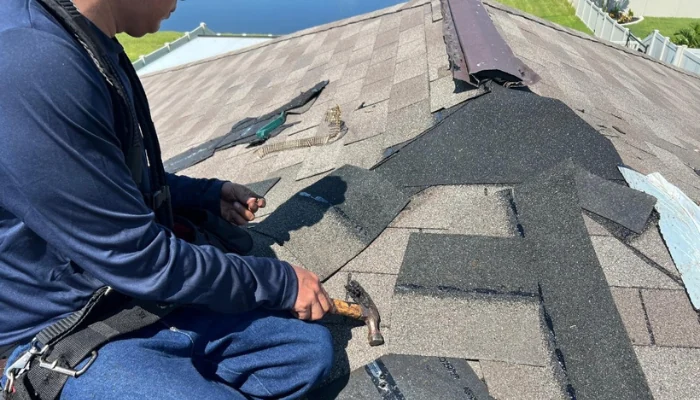
Installing 3-tab asphalt shingles isn’t rocket science, but a bad install can ruin good shingles, and worse, create leaks that your insurance may refuse to cover. Here’s how it should be done the right way.
Pre-installation checklist
Before you hammer anything:
- Roof deck must be dry, clean and solid.
- Old shingles should be removed (unless local code allows overlay).
- Flashing around chimneys, vents and valleys must be checked or replaced.
- Tarping should be ready in case of sudden weather changes.
- Use sandbags or secure edges (never nails or screws) to hold tarps unless the roof pitch is extreme or the structure is too damaged.
Tools and materials you’ll need
- 3-tab shingles (enough for your square footage + 10% extra).
- Starter strip shingles or trimmed base rows.
- Underlayment (felt or synthetic).
- Roofing nails (galvanized).
- Chalk line.
- Utility knife.
- Hammer or pneumatic nail gun.
- Ridge cap shingles.
- Drip edge (metal flashing).
Step-by-step process
- Install the drip edge: Place along eaves and rake edges – helps guide water off the roof.
- Lay the underlayment: Roll out in straight rows, overlap rows by at least 2 inches and staple or nail into place.
- Mark your guidelines: Use a chalk line to keep rows straight, then measure carefully, crooked rows are the enemy of durability.
- Start with starter shingles: Place upside down or use dedicated starter strips. This layer protects the edge and provides adhesive seal.
- Install the first course of 3-tab shingles: Start at the bottom edge of the roof and nail just below the adhesive strip (usually 4 nails per shingle). Each next row should offset by half a tab.
- Continue layering: Overlap each row. Maintain straight lines and consistent spacing.
- Add ridge caps: Cut shingles into thirds or use pre-made caps, install over the ridge line, nailing down with overlap and finish with a dab of sealant on final nail heads.
Pro Tip from Protect Preserve Roofing: Shingles are only as good as the line they follow. If your chalk lines are crooked, the roof will look wrong and leak sooner. Take your time lining it up and if you’re not 100% sure? Call a team that climbs roofs daily, like us.
3-Tab Asphalt Shingles Lifespan and Maintenance Tips
The 3-tab asphalt shingles, when installed and maintained right, can last between 15 to 20 years, even more. However, just like a good pair of boots, if you never check or clean them, they’ll wear out faster.
Average lifespan
| Condition | Estimated Lifespan |
| Normal weather, flat pitch | 18–20 years |
| Harsh sun or heavy storms | 12–15 years |
| Steep slope + good airflow | Up to 22 years |
| Poor installation | Less than 10 years |
Maintenance tips
- Inspect twice a year: After winter and after summer. Look for lifted tabs, cracked edges or missing shingles.
- Clean the gutters: Blocked gutters = water backup = shingle damage. Keeping the flow is keeping the roof dry.
- Check for moss or algae: If you see green patches, act fast. Moisture buildup underneath = faster deterioration.
- Trim nearby trees: Branches rubbing = granule loss. Shade = more moss. Keep them cut.
- Avoid walking on the roof: 3-tab shingles are thinner than architectural types.
One wrong step and voilà: invisible crack. - Seal any small leaks fast: Small leaks get big fast. Protect Preserve Roofing treats leaks early, before the insurance company says: “it wasn’t our fault.”
Pro tip: Your 3-tab shingles won’t babysit themselves. But with basic attention twice a year and the right team to handle repairs, they can easily protect your home for nearly two decades. And when the time comes to replace them? Protect Preserve Roofing helps you plan the next step.
Best Use Cases for 3-Tab Asphalt Roofing Shingles
Not every roof needs to look like a work of art, it just needs to function, last, and not let you down in the first heavy rain. And that’s where 3-tab asphalt roofing shingles shine. Let’s see when 3-tab shingles make the most sense:
| Use Case | Why They Fit |
| Single-story homes | Lightweight and easy to install |
| Rental properties | Lower cost = higher ROI |
| Sheds and garages | Budget-friendly, no overkill |
| Temporary roofing after damage | Fast to apply, insurable |
| Flips and pre-sale properties | Good appearance at lower cost |
| Low-slope roofs | Less wind lift = more stable fit |
Good fit for straightforward roof designs
If your roof looks like a simple triangle (no dormers, valleys, or fancy architecture) 3-tab shingles are made for you. They sit clean, seal well and don’t require extra labor or complex layering.
It’s also perfect for projects where budget matters. Let’s say you’ve got:
- A second home.
- A detached garage.
- A low-income rental.
- Or a home where you just need it fixed now, not reformed for review.
The 3-tab shingles let you stay within budget without sacrificing quality. With experienced labor, the results are solid and protected for years.
When they might not be ideal
- Homes in areas with extreme winds or hurricanes.
- Roofs with complex shapes or heavy snow load.
- Owners wanting high-end appearance or texture.
Little reminder: Even in these cases, Protect Preserve Roofing can show you mixed solutions or explain why moving up a category might be worth it without pushing you to upgrade under pressure.
Conclusion: Are 3-Tab Asphalt Shingles Right for You?
The 3-tab asphalt shingles aren’t fancy. They don’t come with bold textures or make your neighbor ask where you bought it. However, they’re reliable, clean-looking and still one of the best cost-effective roofing options available today.
When installed properly, they hold up. They seal tight and get the job done without sugarcoating or complication.
When they’re the right choice:
- Your roof is simple and straight.
- You need a fast, solid fix after a storm.
- You want value without cutting corners.
- You’re working on a garage, rental or resale.
- You want clean results without exaggerated design.
And let’s be real, sometimes what you need isn’t the “best in the world.” It’s what works with confidence, within what you can do right now. That’s exactly where Protect Preserve Roofing steps in.
Want to know if 3-tab shingles are right for your roof? Or maybe you just want a second opinion before signing with someone who showed up out of nowhere in your driveway? Click here to get a free, honest estimate or here to schedule a free visit to your roof.
No hidden fees. No rushed sales. Just the real answer from people who actually climb roofs.
Frequently Asked Questions About 3 Tab Asphalt Shingles
No. While some suppliers focus more on architectural styles, 3 tab shingles are still widely produced and installed. They’re a practical choice for many homes — and Protect Preserve Roofing uses them regularly in repairs and full replacements.
Expect 15 to 20 years, depending on weather, installation quality, and maintenance. Some last longer on steep roofs with good ventilation. Others degrade faster if exposed to extreme heat or poor drainage.
You’ll need roofing nails, a utility knife, a pry bar, and roofing cement. But unless it’s a small patch, it’s best to call a pro. A misaligned repair can cause more problems later. Protect Preserve Roofing handles these fixes quickly and without pushing for a full replacement when it’s not needed.
Yes, if installed right. They’re rated to resist up to 60 mph winds, and sealing strips help in downpours. In higher-risk areas, Protect Preserve Roofing may recommend extra fastening techniques to boost resistance.
Are 3 tab asphalt shingles being phased out?
No. While some suppliers focus more on architectural styles, 3 tab shingles are still widely produced and installed. They’re a practical choice for many homes — and Protect Preserve Roofing uses them regularly in repairs and full replacements.
How long do 3 tab shingles really last?
Expect 15 to 20 years, depending on weather, installation quality, and maintenance. Some last longer on steep roofs with good ventilation. Others degrade faster if exposed to extreme heat or poor drainage.
Do I need special tools to repair a few shingles?
You’ll need roofing nails, a utility knife, a pry bar, and roofing cement. But unless it’s a small patch, it’s best to call a pro. A misaligned repair can cause more problems later. Protect Preserve Roofing handles these fixes quickly and without pushing for a full replacement when it’s not needed.
Can 3 tab shingles handle heavy rain and wind?
Yes, if installed right. They’re rated to resist up to 60 mph winds, and sealing strips help in downpours. In higher-risk areas, Protect Preserve Roofing may recommend extra fastening techniques to boost resistance.


Leave a Reply