



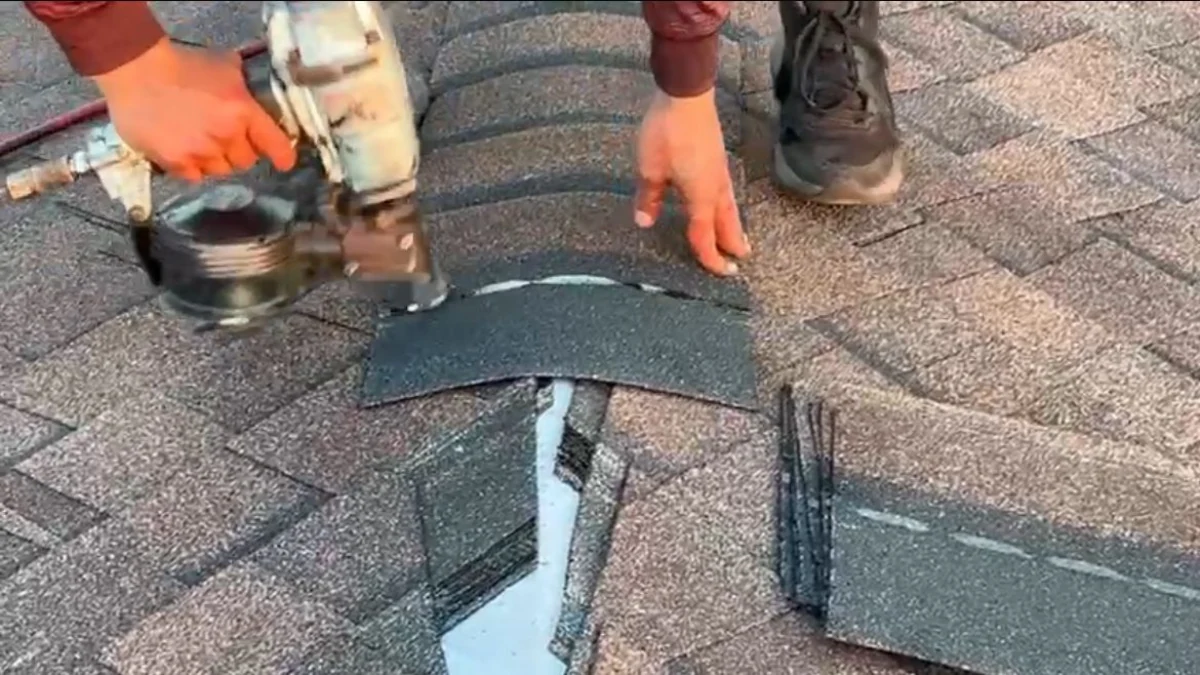


Commercial roof replacement near me may seem like a simple search, but the truth is, choosing the wrong contractor can cost your business tens of thousands in repairs, lost inventory or denied insurance claims.
According to IBISWorld’s roofing industry report, commercial roof replacement in the U.S. represents a $15.2 billion market, with Florida ranking among the top 5 states for roofing claims.
Still, many building owners delay the replacement, hoping for a quick patch job… until the next storm hits. Sound familiar?
That’s why we create this guide. In here you’ll discover how to know if your roof actually needs replacing, what to expect in terms of cost, timeline and roofing options, why choosing a local certified company makes all the difference and how to avoid insurance issues that most people only learn about when it’s too late.
Thousands of Florida business owners already trust Protect Preserve Roofing to guide them through this process. Now it’s your turn.
Table of Contents
What Is Commercial Roof Replacement and Who Really Needs It?
Commercial roof replacement is when a business removes an old or damaged roof and installs a new one. It’s not patching, sealing or adding a quick fix. It’s a full rebuilding of the roofing system, layer by layer.
This process usually happens when the roof has reached the end of its life, when roof repairs are no longer cost-effective or when storm damage makes the structure unsafe.
So, you likely need a replacement if:
- The roof is 20+ years old, especially if it’s a flat or metal system.
- You’ve had multiple leaks over the last 12 months.
- The structure shows visible sagging, soft spots, or bubbling.
- You’ve spent more on repairs this year than your truck payment.
- The building failed a recent inspection (city or insurance).
- You see daylight through roof seams or edges (yes, it happens).
Bottom line: Many owners wait too long and only act when water hits the office floor. But delaying can double your cost and put your insurance claim at risk, especially if moisture spreads to the interior. Our team at Protect Preserve Roofing can inspect your roof, give you a clear answer, and let you know if you need a full replacement or a smart repair.
Signs You May Need a Commercial Roof Replacement
Below, we list the most common warning signs that your roof may need more than a quick repair.
- Frequent leaks after rain: If your roof leaks every time it rains, that’s not normal. Water intrusion means the membrane is compromised. Repeated patch jobs won’t fix what’s already too far gone.
- Bubbles or blisters on the surface: Trapped air or moisture between layers causes bubbling, usually a sign of aging materials or poor ventilation. It may look small, but left alone, it leads to full-scale failure.
- Sagging or soft spots: Walk across your flat roof and feel it give under your boots? That “sponge” feeling can mean water has soaked the insulation, a classic sign that the decking below is deteriorating.
- Rising energy bills: A failing roof leaks more than water; it leaks cooling and heating. If your HVAC is running overtime and your power bills jumped 20% or more, your roof may be the culprit.
- Ponding water that doesn’t drain: Flat roofs should drain within 48 hours after rain. If water sticks around longer, it stresses the membrane and increases the chance of leaks, mold and even structural sagging.
- Rusted or loose metal panels: On metal roofing systems, corrosion, separation or movement in the fasteners and seams are major red flags. Once water enters through a metal seam, the damage moves fast and deep.
- Your roof is over 20 years old: Even the best systems wear out. TPO, EPDM and modified bitumen roofs start showing their age around year 15. After 20 years, replacement is often more cost-effective than repairs
Quick reminder: Don’t wait until a small roof problem becomes a lawsuit or insurance headache. If you’re in Orlando or anywhere in Central Florida, Protect Preserve Roofing offers fast inspections and honest feedback.
How to Choose a Commercial Roof Replacement Near Me
Finding a “commercial roof replacement company near me” is easy. Finding one that shows up, knows what they’re doing, and doesn’t disappear after payment… that’s another story. Here’s how to separate the pros from the problem-makers:
- License and insurance come first: A legit contractor must be licensed in Florida and carry general liability insurance, workers’ comp and commercial roofing certification (if applicable).
- Experience with commercial projects: Commercial roofs require specialized materials (TPO, EPDM, PVC, metal, etc.), knowledge of large flat structures and compliance with building codes for multi-unit or commercial zoning. Look for a company that has projects completed in businesses like yours, not just in houses or duplexes.
- Strong local presence: Avoid companies that just “pop up” after storms. A trusted contractor has a real office or team base in your area, most likely has done roofs in your neighborhood and can show local photos, references and testimonials.
- Clear estimates: A good roofing company will visit your building in person, measure correctly, consider pitch, damage, access and materials and give you a written quote that makes sense.
- Warranty that actually means something: Get this in writing. Without a guarantee, you become hostage to the problem.
- Communication and punctuality: Choose a team that responds quickly, speaks clearly and gives deadlines and meets them It sounds basic, but it’s one of the biggest signs you’re working with serious people.
Don’t forget: Before you choose, ask yourself “Would I trust these guys to fix my house if my family lived there?” If the answer isn’t a firm yes, keep looking. Or better: call Protect Preserve Roofing.
Types of Commercial Roofs
Choosing the right type of commercial roof isn’t just about price or appearance. It’s about how well it can handle the rigors of heavy rain, scorching sun, fierce wind and the hustle and bustle of your business below. Here’s a simple comparison:
| Roof Type | Best For | Lifespan | Cost per Sq. Ft. | Pros | Cons |
| TPO (Thermoplastic) | Flat roofs, energy efficiency | 15–25 years | $6.50–$9.50 | Reflects heat, lightweight, good in hot climates | Seams can fail over time if not installed right |
| EPDM (Rubber) | Budget projects, complex shapes | 20–30 years | $6.50–$9.00 | Flexible, weather-resistant, low-cost | Absorbs heat (black surface), less efficient |
| PVC | Restaurants, chemical exposure areas | 20–30 years | $8.00–$11.50 | Handles chemicals, strong seams | Pricier, needs precise installation |
| Modified Bitumen | Older buildings, foot traffic areas | 20–25 years | $7.00–$10.00 | Durable layers, holds up to walking | Can be heavy, longer install time |
| Metal Roofing | Warehouses, long-term investment properties | 30–45 years | $9.00–$12.00 | Long lifespan, wind/fire resistant, low maintenance | Higher cost, noisy in storms, needs good insulation |
How do you pick the right one?
Let’s keep it simple:
- TPO – Want a cooler building and lower bills? Good pick.
- EPDM – Tight budget? Works well and lasts long.
- PVC – Got chemicals, grease, or restaurant fumes? Go here.
- Modified Bitumen – Good for people walking on the roof often.
- Metal – Want peace of mind for 30+ years? Pay more now, save later.
Florida heat tip: If your buildings in Orlando or Central Florida, stay away from roofing systems that absorb too much heat without reflecting it. That electric bill can bite. TPO and PVC perform better in the heat, especially when paired with light-colored surfaces that reflect UV rays.
Commercial Roof Replacement Near Me Cost
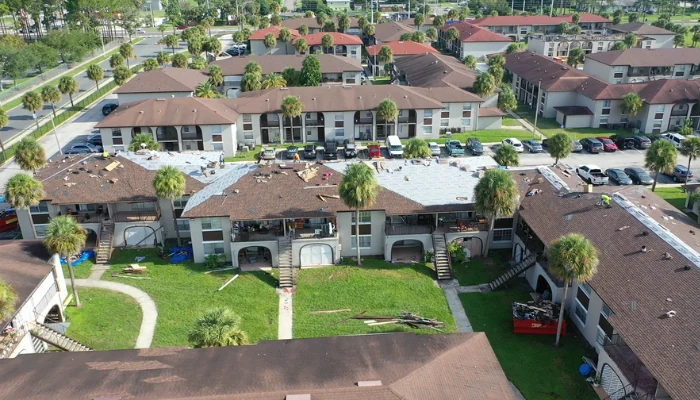
Replacing a commercial roof is a big investment. But ignore it? That can cost you even more. In 2025, commercial roof replacement costs continue to rise due to:

- Increased material prices.
- Labor shortages in skilled trades.
- Stricter building code requirements (especially in Florida).
So, how much should you expect to pay? For commercial properties in Orlando and across Central Florida, the average roof replacement cost falls between $6.50 to $12.00 per square foot (depending on materials, roof type, accessibility and scope), like:
| Roof Type | Estimated Cost per Sq. Ft. | Best For |
| TPO (Single-Ply) | $6.50 – $9.50 | Energy-efficient flat roofs |
| EPDM (Rubber) | $6.50 – $9.00 | Low-rise, budget-conscious properties |
| Modified Bitumen | $7.00 – $10.00 | Strip malls, older flat roofs |
| PVC (Chemical Resistant) | $8.00 – $11.50 | Restaurants, chemical-heavy environments |
| Metal Roofing | $9.00 – $12.00 | Industrial buildings, long lifespan roofs |
Keep in mind: A 10,000 sq. ft. roof could range from $65,000 to $120,000, depending on choices and needs.
Hidden costs to watch for
Most quotes include basic labor and materials, but that’s not always the full picture. Here’s what you can add to your final bill:
- Deck repairs (rot, water damage under the old roof).
- Drainage upgrades.
- Insulation replacement or upgrades.
- Permits and code compliance.
- Tear-off and disposal fees.
What about tarp installation costs?
Temporary roof protection isn’t free and it’s critical. At Protect Preserve Roofing, tarp installation averages between $800 to $1,600 (based on roof pitch, access, height and extent of damage).
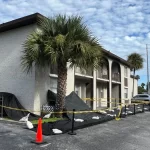
- We never recommend nailing or screwing tarps into the roof unless necessary.
- Sandbags, straps and proper weight distribution are the right approach in most cases.
- Improper tarp setups can void your insurance claim or damage the roof further.
How Long Does It Take to Replace a Commercial Roof?
Short answer? It depends. So, let’s talk about real timelines, based on what actually happens out in the field. Average replacement timelines by roof size:
| Roof Size | Estimated Duration |
| Small (under 5,000 sq. ft.) | 3–5 business days |
| Medium (5,000–10,000 sq. ft.) | 5–8 business days |
| Large (10,000–20,000+ sq. ft.) | 8–14 business days or more |
What can speed it up (or slow it down)?
Let’s break it down. Faster roof replacement if:
- You already have permits and approvals.
- The building has easy access (open lot, ground-level).
- It’s a single-layer removal (no hidden surprises).
- You’re using TPO or EPDM, which are quicker to install.
- The weather cooperates (sunny week, no storms).
And slower roof replacement if:
- The roof has multiple layers to tear off.
- There’s water damage or wood rot underneath.
- Your structure is tall or hard to reach.
- There are HVAC units or solar panels on top.
- Permits get delayed (which happens often in some Florida counties).
What about weather delays?
We live in Florida. Afternoon storms, sudden winds and high humidity are part of the deal.
Good roofing companies build buffer days into your schedule, and they keep you informed. At Protect Preserve Roofing, we always let you know what’s going on, so you’re never left wondering.
Can you stay open during replacement?
Most of the time, yes. Unless there’s major interior risk or structural work, we plan around your business hours and operations. We’ll:
- Block off only the necessary zones.
- Use safety barriers and tarps.
- Work in sections, if needed.
That way, your team keeps working while we handle the mess up top.
Quick reminder from Protect Preserve Roofing: We don’t guess. We inspect. Once we assess your building, we give you a real timeline, not the “it should take about a week” nonsense.
Step-by-Step Commercial Roof Replacement Near Me Process
Most people think roof replacement is just “rip off and redo.” But there’s a lot more to it. Here’s how the process works with Protect Preserve Roofing.
Inspection and damage assessment
We start by walking the entire roof to look for:
- Cracks, blisters or bubbling.
- Leaks and water stains inside the building.
- Rust, ponding water, and insulation damage.
We also check the pitch, drainage, ventilation and roof access.
Proposal and quote
Based on what we find, we build your proposal. This includes:
- Removal details.
- Material options (TPO, PVC, EPDM, metal, etc.).
- Project timeline.
- Total cost (labor, materials, cleanup).
- Roof warranty info.
We walk through every line with you, so you know exactly where your money goes.
Permits and scheduling
If your city requires permits (and most in Central Florida do), we’ll:
- Handle the paperwork.
- File with the local building department.
- Get approval before starting.
Once cleared, we schedule your installation. We aim for fast turnaround, but we don’t cut corners just to rush.
Tear-off of the old roof
Time to strip it down. Our crew removes:
- Existing roofing layers.
- Damaged decking (if needed).
- Debris or old flashings.
Important: We work clean. Debris gets hauled off daily, not left in a pile for you to trip over.
Repair and prep the decking
Before installing the new roof, we inspect the surface underneath. If we find:
- Rot.
- Mold.
- Water-damaged decking.
We replace it on the spot. No half-measures.
New roof installation
This is where the real work begins. We install:
- Insulation (ISO board or similar).
- Waterproof membrane (TPO, EPDM, etc.).
- Flashing and edge metals.
- Drains, scuppers and other accessories.
Everything is sealed, heat-welded or fastened based on your material type with zero shortcuts.
Cleanup and final inspection
Once the roof is complete:
- We remove every tool, screw and scrap.
- Inspect the full system again.
- Walk you through what was done.
- Provide documentation for your warranty and insurance.
Need photos for your insurer? We’ve got them ready.
Ongoing support
We don’t disappear after the check clears. We offer:
- Annual maintenance plans.
- Emergency tarp service (with proper installation, no nails or screws unless absolutely required).
- Post-storm inspections.
If you’re in Orlando or Central Florida, we’re never far. And we always answer the phone.
Also read:
Roof Insurance Claims
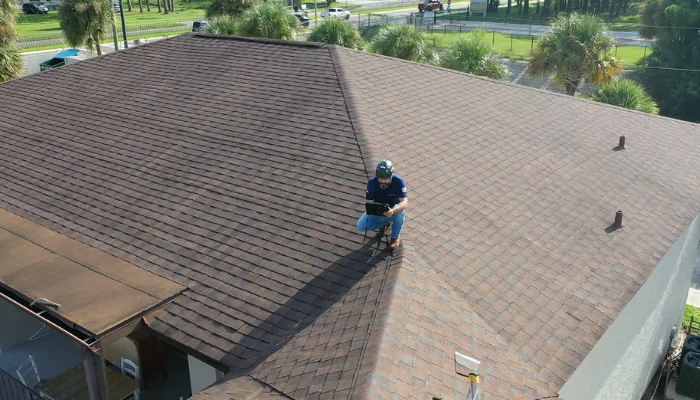
Insurance won’t pay for everything. This might surprise you, but it’s true: If your roof leaked and caused interior damage because it wasn’t covered or maintained properly, most insurance companies won’t pay a dime. That means:
- No coverage for water-damaged inventory.
- No help with soaked ceilings or drywall.
- No payout for mold remediation.
Why? Because they expect the roof to be protected with tarps or temporary covers right after the damage happens.
What insurance usually covers
Most Florida commercial property policies may cover roof replacement if:
- The damage was sudden, and storm related.
- The event is covered (like wind, hail or debris impact).
- You reported it fast.
- The damage wasn’t caused by neglect or poor maintenance.
Covered events include:
- Named tropical storms.
- Strong winds over 50 mph.
- Fallen branches or flying debris.
- Hailstorms (rare but possible).
What insurance usually denies
- Leaks from an old, worn-out roof.
- Damage from improper tarp installation.
- Delayed reporting (waiting weeks to file).
- Roofs with active wear, bubbling, rust or water ponding before the storm.
In short: If the roof was already in bad shape before the event, they’ll say it’s your fault.
Step-by-step: how to file a claim
- Call a licensed roofing contractor immediately: Don’t call the insurer first, call someone who can inspect the damage and document it correctly.
- Get a detailed damage report: Include photos, measurements, notes on roof type and areas affected.
- Install tarps or covers ASAP: Prevent more damage and make sure the installation doesn’t void your policy.
- File your claim: Submit all documents and get a claim number.
- Let your roofer talk to the adjuster: A good contractor will meet the insurance adjuster on-site and speak their language. We do this for our clients every week.
Why you need a local roofing expert
Insurance companies play hardball in Florida. They know the rules. If you don’t, you lose. Protect Preserve Roofing:
- Helps you document everything.
- Speaks directly with your adjuster.
- Provides quotes in the format insurers require.
- Avoids mistakes that get claims denied.
We’ve helped dozens of Central Florida business owners secure full or partial payouts and, in some cases, get approved after they were initially denied.
Maintenance Tips to Extend the Life of Your Commercial Roof
Replacing a commercial roof is a big investment. So, once it’s done, the smart move keeps it in top shape for as long as possible. Here’s how to make your roof last longer:
- Schedule regular inspections: We recommend one inspection in spring (after rainy season) and one in fall (before hurricane season). Also check after any big storm or wind event.
- Keep the roof clean: Remove debris every 1–2 months, clear out clogged drains and scuppers and trim back trees near the roof.
- Monitor for small issues: Watch for tiny bubbles or blisters, rust forming on metal seams, loose flashing around the edges and cracks around vents or drain points.
- Stop leaks early: If you see: stains on ceilings, drips inside after rain and musty smells, call us right away. Don’t patch it with duct tape or hope for the best.
- Never let anyone install a tarp with screws or nails: Unless the roof has a very steep pitch and sandbags won’t hold, never let someone nail a tarp down.
- Consider a maintenance plan: Our commercial maintenance plans include two inspections per year, minor roof repairs included, priority response after storms and full documentation for insurance.
Bonus tip: Document Everything.Keep a folder (or shared drive) with inspection reports, photos before/after storms and invoices for any service. When it’s time to file a claim or resell the building, you’ll thank yourself.
Conclusion: Serving Orlando and Central Florida with Integrity
If you’ve read this far, here’s what you already know: replacing a commercial roof isn’t just a construction job. It’s a business decision. Whether you’re running a warehouse, a retail building, an office or a restaurant, your roof protects your operation. If it fails, your business feels it.
That’s where Protect Preserve Roofing comes in. We don’t just show up, do the job and disappear. We live and work here and will answer the phone when it rains to offer:
- Local crews with real experience.
- Inspections, quotes, and timelines you can understand.
- Help with insurance (we speak their language).
- Clean installs with zero shortcuts.
- Ongoing support after the roof is done.
Whether you’re in Orlando, Kissimmee, Sanford, Winter Park, Apopka or anywhere across Central Florida, our team is ready. Here’s what you can do right now:
- Ask about our emergency tarp service.
- Schedule a clear, honest and free roof assessment.
- Call us directly, we pick up the phone.
- Get an instant estimate for a commercial roof replacement.
You don’t need to overthink it. You just need someone local, licensed and honest. Because in Florida, that’s what makes the real difference.
How do I know if my commercial roof needs to be replaced?
If your roof is over 15–20 years old, has frequent leaks, pooling water, or visible damage like cracks and rust, it’s probably time.
The best way to know for sure is to schedule a roof inspection.
Will my insurance cover roof replacement?
Only if the damage was storm-related and not caused by age or poor maintenance.
Also, insurance may deny your claim if you don’t tarp the roof properly after the damage.
We help with insurance claims and install tarps the right way — no nails unless necessary.
How long does the replacement take?
Most commercial roofs take 3–10 business days, depending on:
Roof size
Material type
Weather
Accessibility
We give you a realistic timeline after the inspection.
Why should I choose Protect Preserve Roofing?
Because we’re local, licensed, and we actually answer the phone.
What you get:
Fast response
Honest quotes
Clean, professional installation
Help with insurance
Follow-up and support after the job is done
We don’t guess. We inspect, explain, and deliver.

Leave a Reply