





Common roofing problems may sound like a simple topic, but the truth is they cost American homeowners billions every year. According to the National Roofing Contractors Association, nearly 70% of roof failures start with small, preventable issues like missing shingles or clogged gutters, problems that most people overlook until it’s too late.
Have you ever noticed a small water stain on your ceiling and thought, “It’s nothing serious”? That little spot could be the beginning of a roof leak that spreads fast, raising repair costs from a few hundred dollars to several thousand.
So, what makes roofing problems so common? And more importantly, how can you spot them early enough to avoid a financial headache?
In this guide, we’ll break down the most frequent roofing issues, explain how to recognize the warning signs and share practical solutions, including prevention strategies that keep you ahead of the storm.
Thousands of homeowners already trust professional guidance to protect their roofs. The question is: will you wait for the next leak or take action today?
Table of contents
Identifying Common Roofing Problems Early
Spotting roof problems early saves money, stress and a lot of headaches. Most major repairs start as small issues that homeowners overlook. A cracked shingle, a clogged gutter or a faint water stain may look minor, but they can snowball fast.
So, the key warning signs inside your home are in the ceiling and walls. Look for:
- Water stains: Yellow or brown spots mean water is getting in.
- Peeling paint or bubbling plaster: Signs of trapped moisture.
- Musty smell in the attic: Could be mold growing from a hidden leak.
The exterior signs of roof damage are a little different. Step outside and give your roof a quick scan. Look for:
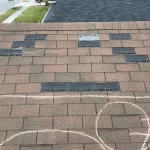
- Missing or curled shingles: Gaps open the door for leaks.
- Sagging areas: Could mean structural stress.
- Granules in the gutters: Asphalt shingles shedding their protective coat.
- Clogged gutters: Water backing up and seeping under the roof.
Why early detection matters?
- Saves money: Fixing a missing shingle costs far less than repairing interior damage.
- Protects insurance claims: Many insurers deny coverage if they believe the damage came from neglect.
- Keeps your home safe: Mold, rot, and weak structures can put your family at risk.
And at Protect Preserve Roofing, we remind every client: a ten-minute inspection can prevent a four-figure bill. Spotting problems early isn’t just smart, it’s essential.
The 5 Most Common Roofing Problems Explained
Roofing issues come in many forms, but five show up more often than any others. These are the 5 most common roofing problems that homeowners face, along with their causes, warning signs and what you can do before they hit your wallet hard.
Leaks and water damage
Leaks are the number one roofing problem. They usually start small, like a missing shingle, a cracked flashing or poor sealant around a vent. Water slips in and, before you know it, you’ve got stains on the ceiling or mold in the attic.
- Signs: Dark spots on ceilings, dripping in heavy rain, damp insulation.
- Fix: Seal or replace the damaged area quickly.
- Why it matters: Left unchecked, leaks spread and rot wood structures, making repairs far more expensive.
Damaged or missing shingles
Shingles take the brunt of weather damage. Strong winds can lift them, sun can make them brittle, and hail can knock off protective granules.
- Signs: Bald spots, loose shingles on the lawn or visible curling.
- Fix: Replace damaged shingles as soon as possible.
- Why it matters: Gaps leave your roof exposed to leaks and interior damage.
Flashing failures and weak seals
Flashing is the thin metal around chimneys, skylights and valleys. When it bends, cracks or pulls away, water gets in.
- Signs: Rusty or loose flashing, leaks near chimneys or vents.
- Fix: Replace flashing and seal with roofing cement or proper adhesives.
- Why it matters: Flashing protects the most vulnerable parts of the roof. Failure here usually leads to serious leaks.
Poor ventilation and attic moisture
A roof needs to breathe. Without airflow, heat and moisture build up in the attic, leading to warped wood, mold and higher energy bills.
- Signs: Musty attic smell, ice dams in winter, hot upstairs rooms in summer.
- Fix: Install or clear soffit and ridge vents.
- Why it matters: Poor ventilation can cut the life of your roof in half.
Clogged gutters and drainage issues
Your gutters are your roof’s drainage system. When they clog with leaves or debris, water backs up and seeps under the roof.
- Signs: Overflowing gutters, water pooling near the foundation, sagging gutter sections.
- Fix: Clean gutters regularly, install guards if needed.
- Why it matters: A simple cleaning job prevents roof leaks and costly foundation damage.
Pro tip from Protect Preserve Roofing: Most roofing nightmares start with one of these five problems. The fix is often simple if caught early. However, if ignored, you may end up paying not only for roof repair but also for drywall, insulation and flooring inside your home. You always need to act fast.
Common Problems with Roof Shingles
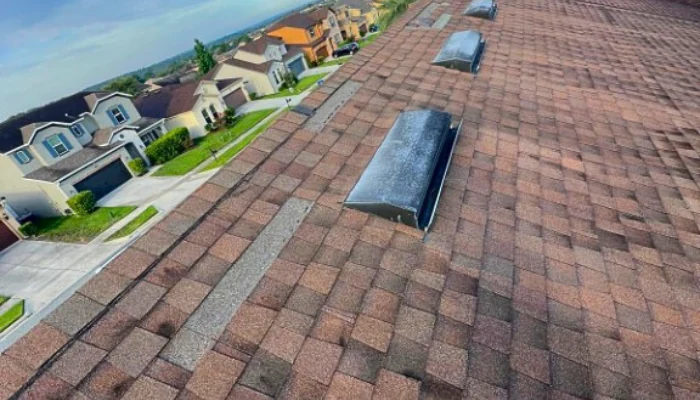
Shingles are the first line of defense on most homes. They take hits from sun, rain, wind and hail every single day. Over time, they start showing wear. Ignoring those signs is like driving on bald tires, it works for a while, but when it fails, it fails big.

Curling, cracking and granule loss
Asphalt shingles tend to curl at the edges, crack in the middle or shed the little granules that protect them from UV rays.
- Signs: Shingles that lift at the corners, rough patches that look bare or loose granules sitting in gutters.
- Causes: Age, poor ventilation or too much sun exposure.
- Why it matters: Once shingles lose their granules, they stop protecting the roof from water and heat. That’s when leaks and higher energy bills sneak in.
How weather accelerates shingle damage
Bad weather doesn’t require permission.
- Wind: Can lift shingles and rip them right off.
- Hail: Knocks granules loose, leaving soft spots behind.
- Sun: Bakes shingles until they dry, curl, and crack.
A storm that lasts one night can undo years of good roofing. That’s why after every major storm, a roof check is worth the 10 minutes it takes.
Repair vs. replacement: what makes sense
Not every shingle problem needs a full roof replacement.
- Repair: A few missing or damaged shingles can be swapped out quickly and cheaply.
- Replacement: Widespread curling, cracking, or multiple leaks usually mean it’s time for a new roof.
Quick reminder from Protect Preserve Roofing: Shingle problems are common, but they’re not always a disaster if handled early. The key is to know when to repair and when to replace. If you catch the warning signs in time, you’ll save money, protect your insurance coverage and avoid those Sunday night ceiling drips.
Common Problems with Flat Roofs
Flat roofs look simple, but they carry their own set of headaches. Because they don’t have much slope, water doesn’t run off as easily. That means small problems can get worse fast if you don’t stay on top of them.
Standing water and drainage failure
Flat roofs are magnets for standing water. After heavy rain, you might see pools that sit for days.
- Signs: Puddles on the roof, stains on ceilings below, sagging spots in the structure.
- Causes: Poor design, clogged drains or settling over time.
- Why it matters: Standing water breaks down roofing materials and seeps into seams, creating leaks that spread.
Membrane shrinkage and tearing
Most flat roofs use a membrane like TPO, EPDM or modified bitumen. Over time, heat and UV exposure cause them to shrink, pull away at the edges or tear.
- Signs: Cracks along seams, lifted edges, visible splits.
- Causes: Sun damage, poor installation, age.
- Why it matters: Even a small tear can let gallons of water in during a storm.
Ponding, algae and coating problems
When water sits too long, it doesn’t just wear down the roof; it breeds algae and speeds up coating failure.
- Signs: Dark stains, slimy buildup, blistering in roof coatings.
- Causes: Moisture and lack of drainage.
- Why it matters: Algae weakens materials and coatings peel, exposing the roof to faster damage.
Protect Preserve Roofing insight: Flat roofs need more attention than pitched roofs. They should be inspected at least twice a year, especially after heavy storms. If a leak does happen, emergency tarping becomes tricky because tarps tend to slide without pitch. That’s why our crew uses weighted sandbags to secure them safely.
Common Problems with Metal Roofs and Gutters
Metal roofs are built for strength. They can last decades, handle heavy weather and even cut energy costs. However, “long-lasting” doesn’t mean “problem-free.” Over time, small issues pop up and, if ignored, they can become expensive repairs. The same goes for gutters, which are often the weak link in any roofing system.
Fastener loosening and expansion issues
Metal expands and contracts with heat. That movement puts stress on fasteners.
- Signs: Loose screws, panels that rattle in the wind or visible gaps.
- Causes: Temperature swings, poor installation or age.
- Why it matters: Gaps let water seep in, leading to leaks and rust.
Rust, corrosion and coating failures
Even the strongest steel needs protection. When coatings break down, rust sneaks in.
- Signs: Orange spots, bubbling paint or streaks running down panels.
- Causes: Scratches, standing water, salt in coastal air.
- Why it matters: Rust eats away at metal and weakens panels.
Gutter leaks and water overflow
Gutters take on gallons of water during storms. If they clog or sag, water has nowhere to go but into the roofline.
- Signs: Overflow during rain, sagging gutters, water pooling near the foundation.
- Causes: Leaves, debris or loose hangers.
- Why it matters: Overflowing gutters damage fascia boards, siding and foundations.
Bottom line: Metal roofs and gutters are tough, but they’re not maintenance-free. Keep an eye out for loose fasteners, rust spots or clogged gutters. Catching these early prevents leaks, rust spread and costly replacements.
Synthetic Roof Underlayment and Coating Problems
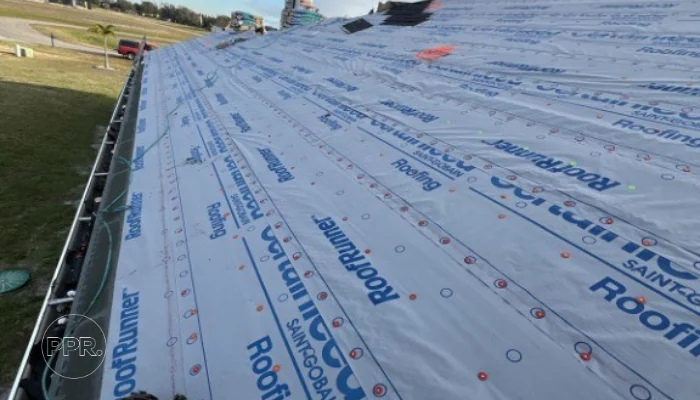
Synthetic underlayment sits beneath the surface and acts as the hidden shield against water. Roof coatings, on the other hand, give that final layer of defense on flat or low-slope systems. When either of these fails, the entire roof is at risk.
Peeling, cracking and installation errors
Underlayment and coatings are only as good as their installation.
- Signs: Blisters, peeling sections, or underlayment that’s bunched up under shingles.
- Causes: Poor installation, trapped moisture, or using the wrong product for the roof type.
- Why it matters: If water slips past the coating or underlayment, leaks spread fast and damage insulation and framing.
How heat and UV exposure create issues
Sunlight beats down on roofs year-round. Over time, coatings dry out, crack or lose adhesion. Synthetic underlayment can also warp when exposed before shingles are installed.
- Signs: Cracking or chalky coating surfaces, brittle underlayment edges.
- Causes: UV rays, extreme heat, and delayed installation schedules.
- Why it matters: Weak coatings and exposed underlayment shorten roof life and lead to costly replacements.
Preventing failures with professional application
The best prevention is a clean, professional install with the right materials for the climate.
- Inspection: Have a pro check underlayment during repairs or replacement.
- Maintenance: Refresh coatings as recommended by the manufacturer.
- Avoid shortcuts: Cheap materials save money upfront but fail sooner.
Pro tip from Protect Preserve Roofing: Synthetic roof underlayment and coatings are invisible heroes. When they fail, everything above and below them suffers. Paying attention to these layers may not be flashy, but it’s one of the smartest investments you can make in your home’s protection.
Common Commercial Roof Problems
Commercial roofs look different from residential ones. They’re usually flat or low slope, cover larger areas and carry extra weight from HVAC units, vents and skylights. All of this makes them more vulnerable to specific problems that demand regular attention.
Flat and low-slope system failures
Most commercial buildings rely on flat roofing systems like TPO, EPDM or modified bitumen. These are cost-effective and easy to install in large areas, but they bring challenges.
- Signs: Standing water that doesn’t drain, bubbling in membranes or splits along seams.
- Causes: Poor drainage design, weather wear or heavy foot traffic on the roof.
- Why it matters: System failures often mean leaks spread across wide areas, disrupting business operations.
HVAC and skylight penetration leaks
Commercial roofs often have multiple penetrations for equipment. Every cut in the roof is a weak point.
- Signs: Leaks around HVAC curbs or skylight edges, rusted flashing or damp ceiling tiles directly below units.
- Causes: Aging seals, poor installation or vibration from equipment.
- Why it matters: Leaks near HVAC units not only damage the roof but also the expensive systems sitting on top of it.
Roof coating deterioration on large surfaces
Coatings are widely used on commercial roofs to extend life and improve energy efficiency. However, when they crack or peel, the exposed surface fails quickly.
- Signs: Flaking, chalking, or areas where coating is worn down.
- Causes: UV damage, poor prep before coating or skipped maintenance.
- Why it matters: Coating failure means leaks multiply fast on big surfaces, creating high repair bills.
Quick reminder from Protect Preserve Roofing: Commercial roofs demand more than just patching leaks. They need routine inspections, proper drainage and coatings maintained on schedule. A small issue left alone can cost businesses thousands, not only in repairs but also in lost revenue.
Seasonal and Regional Common Roofing Problems
Where you live plays a big role in how your roof ages. Climate, weather patterns and even local building codes influence what problems show up first. A roof in Florida faces very different challenges than a roof in Indiana or Colorado.
Snow and ice dams in cold climates
In northern states, snow and ice are the biggest enemies of roofing.
- Signs: Icicles hanging from the edges, water stains after a thaw, or shingles lifted by ice dams.
- Causes: Heat escaping from the attic melts snow, which then refreezes at the roof edge.
- Why it matters: Ice dams force water under shingles, leading to hidden leaks and mold.
Heat and UV damage in hot states
Constant sun exposure bakes shingles and breaks down coatings.
- Signs: Curling shingles, fading color, brittle membranes on flat roofs.
- Causes: Prolonged UV exposure and extreme heat.
- Why it matters: Shortens roof lifespan increases cooling costs, and makes materials prone to cracking.
Common roofing problems in Florida
Florida is a special case. Heat, humidity and hurricanes combine to create a unique set of problems.
- High winds: Rip shingles loose, lift flashing or bend gutters.
- Heavy rain: Leads to clogged drainage systems and leaks.
- Humidity: Fuels algae growth, especially on shaded roofs.
- Hurricanes: Cause widespread damage that often requires emergency tarping.
Why regional awareness matters?
- A flat roof in Arizona faces different risks than a shingle roof in Indiana.
- Choosing the right materials and keeping up with inspections saves money.
- Local knowledge is key: working with a roofing team that understands your region’s climate makes all the difference.
Bottom line: Roofs don’t fail the same way everywhere. Climate and season create unique problems, whether it’s ice dams in the north, heat in the southwest or hurricanes in Florida. Knowing what’s most likely in your area helps you prepare, budget and act before small issues turn into costly disasters.
Common Roofing Problems Cost
Roof repairs vary a lot in price. The cost depends on the type of problem, the materials involved and how fast you catch it. A small patch today might run a few hundred dollars, while a leak left too long could cost thousands. Here’s a breakdown of what homeowners usually face:
| Problem | Typical Cost Range (USD) | Why It Varies |
| Leak repair | $350 – $1,200 | Depends on location of leak and damage to structure |
| Replacing damaged shingles | $400 – $1,000 | Costs rise if many shingles are missing or if roof is steep |
| Flashing replacement | $300 – $800 | More if chimney or skylight flashing is involved |
| Ventilation fixes | $400 – $900 | Includes adding or clearing soffit and ridge vents |
| Gutter cleaning and repair | $150 – $600 | Increases if gutters are sagging or need replacement |
| Flat roof patch (TPO/EPDM) | $600 – $1,500 | Costs grow with ponding issues or large tear areas |
| Metal roof fastener or coating repair | $800 – $2,000 | Higher for rust remediation or recoating panels |
Emergency tarp installation costs
When storms cause sudden damage, a tarp can save your home from worse problems. However, it’s not free.
- Typical cost: $800 to $1,600
- What affects cost: Pitch of the roof, house height and size of the damaged area
- Why it matters: Installing tarps incorrectly (like using nails) can cause more damage and even risk insurance denial. Our crews only use safe methods like sandbags and straps unless conditions make it impossible.
When insurance covers repair
Many homeowners assume insurance pays for all roof repairs. The truth is different:
- Usually covered: Sudden storm damage, hail or fallen trees
- Usually not covered: Wear and tear, poor maintenance, leaks from clogged gutters
- Risk: If the roof was left unprotected after damage, insurers often deny claims
That’s why fast action matters. Covering your roof quickly with a proper tarp not only protects your home but also strengthens your insurance claim.
How to Prevent Common Roofing Problems
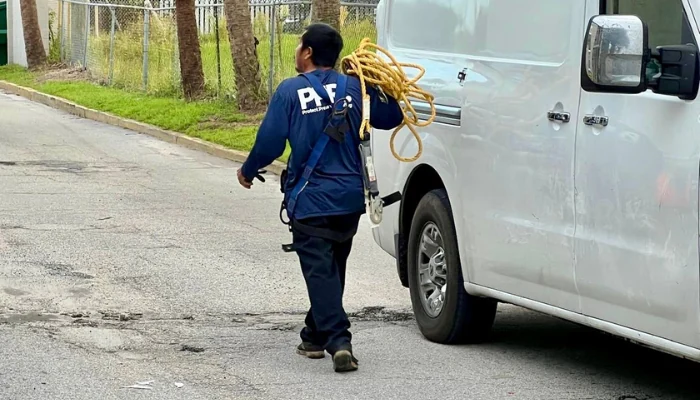
Most roofing disasters don’t happen overnight, they build slowly when small issues go unchecked. A little prevention goes a long way.
Regular inspections and maintenance
A roof inspection twice a year can make all the difference.
- What to check: Missing shingles, loose flashing, clogged gutters and any sagging spots.
- When to check: Spring and fall, plus after major storms.
- Why it matters: Early detection turns a $300 fix into a quick patch instead of a $3,000 headache.
Protect Preserve Roofing recommends professional inspections for peace of mind. Our crews often spot problems that homeowners miss until it’s too late.
Gutter cleaning and tree trimming
Gutters and trees seem harmless, until they start causing leaks.
- Clean gutters: Remove leaves and debris at least twice a year. Overflowing gutters are one of the top causes of roof leaks.
- Trim trees: Branches scraping the roof damage shingles and drop debris that clogs drainage.
Think of gutters like the veins of your house. If they’re clogged, nothing flows right.
Professional tarping and storm preparation
Storms are unpredictable. Having a tarp plan ready can protect your home from sudden leaks or wind damage.
- Cost: Emergency tarps usually run $800 to $1,600, depending on roof pitch and access.
- Safe install: Never nail or screw tarps into the roof unless the structure is already beyond repair. Sandbags and straps are the safe choice.
- Why it matters: Quick tarping prevents water damage inside your home and keeps insurance claims valid.
Preventive repairs
Fix small issues before they become big ones.
- Replace cracked or curling shingles.
- Reseal flashing around chimneys and skylights.
- Refresh coatings on flat or metal roofs as needed.
A $400 repair today can save you from a $10,000 replacement tomorrow.
Roofing Mistakes That Make Problems Worse
Many homeowners, trying to save money or time, end up turning small issues into big repairs. Here are the most common mistakes that push roofing problems from bad to worse.
DIY repairs that void insurance coverage
Fixing a shingle or patching a leak might look easy on YouTube, but insurance companies don’t think so.
- Problem: Poorly done DIY work often causes more damage than it fixes.
- Risk: Many insurance providers deny claims if the roof shows signs of improper repairs.
- Example: We’ve seen cases where nailing down a tarp caused thousands in additional damage and the claim was denied.
Poor installation by unqualified contractors
Not every “roofer” has the training or tools to do the job right. A cheap install may save money today, but it rarely lasts.
- Problem: Wrong materials, loose flashing or sloppy underlayment work.
- Risk: These mistakes shorten roof life and leave you stuck paying for early replacements.
Ignoring small issues until they spread
The number one mistake homeowners make is waiting too long.
- Problem: A missing shingle becomes a leak, then mold, then structural damage.
- Risk: A $400 repair turns into a $10,000 bill plus emergency tarp costs of $800 to $1,600.
- Takeaway: If you see a problem, deal with it now.
Covering common roofing problems instead of fixing them
Throwing on a tarp or coating without addressing the root cause is like putting tape on a leaking pipe.
- Problem: The issue is only hidden, not solved.
- Risk: Water keeps spreading underneath, causing rot and mold.
Protect Preserve Roofing insight: We’ve repaired countless roofs where the biggest issue wasn’t the weather, it was shortcuts. The roof is your home’s shield. Treating it like an afterthought always costs more in the end.
Conclusion: Protect Your Roof Before It Fails
If you’ve read this far, you’re already ahead of most homeowners. You now know how to spot the warning signs, what the most common roofing problems look like and how much they can cost if left alone. That knowledge alone can save you thousands.
Therefore, knowing is only half the battle. Acting on it is what keeps your home safe. Roof problems don’t wait and neither do storms. A leak, a missing shingle, or a clogged gutter can turn into an emergency tarp install faster than you expect.
At Protect Preserve Roofing, we don’t just fix roofs. We help homeowners prevent problems before they spiral. From inspections and maintenance to safe emergency tarping, our focus is protecting your home, your family, and your peace of mind.
You’ve already done the smart part by learning. Now take the next step. Call us today or schedule a free inspection. You can also get a quick estimate for a roof job and expert advice.
Don’t wait for the next storm to remind you why your roof matters. Act now and let’s keep your home safe, strong and ready for whatever the weather brings.
FAQs About Common Roof Problems
What roofing problems are most common?
The most common roofing problems include leaks, damaged or missing shingles, flashing failures, poor ventilation, and clogged gutters. These issues cause most roof repairs in the U.S.
How do I know if my roof has a problem?
Look for water stains on ceilings, curling shingles, musty smells in the attic, or granules in the gutters. These early warning signs mean your roof needs attention.
What problems are most common with flat roofs?
Flat roofs often deal with standing water, membrane shrinkage, tearing, and coating failures. Regular inspections and proper drainage keep these issues under control.
What problems are most common with metal roofs?
Metal roofs can develop loose fasteners, rust spots, or coating failures over time. Expansion and contraction from heat also put stress on panels.


Leave a Reply