





Roof replacement may sound like just another home upgrade, but the truth is, it’s one of the most important investments a property owner can make. In fact, the average roof replacement cost in the U.S. ranges from $8,000 to $15,000. That’s not pocket change and it’s exactly why making the right decision from the start is so critical.
Therefore, how do you know when it’s truly time to replace your roof and not just repair it? And once you’ve decided, how do you avoid being overcharged, choosing the wrong contractor, or installing the wrong materials for your region?
If you live in Orlando or Central Florida, these questions are even more urgent. The combination of heat, humidity, hurricanes, and sudden weather shifts puts roofs to the test and not all systems are built to last in such conditions.
In this comprehensive guide, you’ll discover what exactly roof replacement entails (and how it differs from repairs), the real costs involved, how to choose the best materials for both durability and budget, the exact step-by-step process, from inspection to final cleanup and why local expertise matters.
So, if you’re about to replace your roof or just thinking about it, this guide is for you. Let’s get started.
Table of contents
What Is a Roof Replacement and When Do You Need One?
A roof replacement is when your old roof is removed and replaced with brand-new materials. It’s not a patch, a quick fix, or just swapping out a few shingles. It’s a full do-over.
Now, here’s the big question: How do you know when it’s time to replace your roof instead of repairing it?
It usually starts with signs you might ignore at first. It might start with a missing shingle here or a leak that seems ‘not that bad. But roof problems rarely fix themselves and Florida’s weather doesn’t do anyone any favors.
So, you might need a roof replacement if you notice any of these:
- Leaks in your attic after rain (especially near vents or chimneys).
- Water stains on ceilings or walls.
- Shingles curling, cracking, or missing.
- Granules collecting in gutters (a sign your shingles are wearing down).
- Sagging areas on your roof.
- Mold or dark streaks (especially in humid Central Florida).
- Roof is over 15–20 years old, depending on the material.
Here in Orlando and across Central Florida, roofs take a beating: sun, humidity, heavy rain, even hurricanes. That means even newer roofs might not last as long as you’d hope if the materials weren’t up to the job.
Repair or replace?
Sometimes a repair is enough. But in many cases, it just delays the real problem. Let’s make it simple:
| Situation | Repair? | Replace? |
| A few missing shingles | X | |
| Leaks in one small area | X | |
| Leaks in multiple areas | X | |
| Structural sagging | X | |
| Roof is 15+ years old and leaking | X | |
| Your neighbor’s roof just got replaced (and you have the same builder/age) | X |
Pro tip from Protect Preserve Roofing: If you’re calling out someone every 6 months to fix another leak, you’re spending more long-term. A full roof replacement isn’t cheap, but it’s often cheaper than constant repairs that don’t solve the core problem.
Roof Replacement Cost: What Influences the Final Price?
Let’s get real: replacing the roof isn’t cheap. In Central Florida, the average roof replacement cost for a typical single-family home falls between $8,000 and $15,000. That includes labor, materials, permits, and cleanup.
However, this is just a range. Let’s break down what moves the needle and why your neighbor might pay less (or more) than you.
Roof size and shape
If your roof has a steep pitch, multiple levels, valleys or tricky access points (like solar panels or chimneys in the way), labor gets more intense. It’s like comparing a barbecue in a flat backyard to a party on the sloped terrace of a gymnasium.
In Central Florida, a roof over 2,000 sq. ft. with a steep pitch will likely push costs closer to the top of the range or beyond.
Roofing material matters
Here’s where things start to shift dramatically. Your choice of material can double (or cut) your total cost:

| Material Type | Average Cost per Sq. Ft. (Installed) |
| Asphalt Shingles | $3.50 – $5.50 |
| Architectural Shingles | $4.50 – $7.50 |
| Metal Roofing | $8.00 – $15.00 |
| Tile Roofing (Clay) | $10.00 – $18.00 |
| Flat Roofing (TPO, EPDM) | $5.00 – $9.00 |
So yes, that sleek metal roof you saw on Instagram might look cool, but it also comes with a higher price tag.
Labor costs in your area
In places like Orlando, labor costs tend to be a bit higher than the national average. Why? A few reasons:
- Roofing is dangerous work, especially under Florida sun.
- Qualified roofers are in demand, especially after storms.
- Regulations and permitting in Florida are stricter than in many states.
Tear-off vs. overlay
Overlaying new shingles on old ones might sound like a bargain, but it’s not always legal in Florida and it rarely passes inspection. Most reputable contractors will recommend a full tear-off, which adds labor and dumpster costs. However, it gives you a clean, safe foundation.
Local permits and codes
Florida’s building codes are tough. That’s a good thing, they protect you when hurricane season rolls in. But they also mean:
- More inspections.
- Stricter installation rules.
- Higher compliance costs.
Emergency conditions = emergency pricing
If you need a temporary tarp installation due to storm damage, expect a separate cost, ranging from $800 to $1,600, depending on:
- Roof pitch.
- Height of the house.
- Access.
- Extent of the damage.
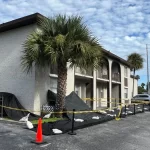
Important reminder: Don’t ever let anyone nail or screw a tarp directly into your roof, unless it’s a last resort. It can void your insurance and cause more damage. Our team at Protect Preserve Roofing uses non-invasive tarp systems whenever possible, like sandbags and weighted anchors.
Roof Replacement Process Step by Step
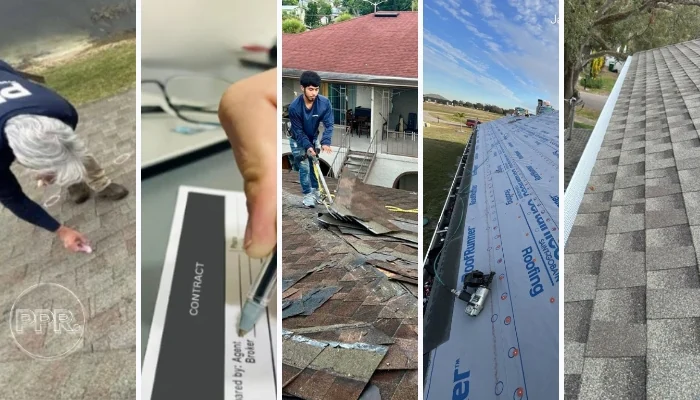
Replacing a roof isn’t just about tearing off shingles and nailing down new ones. It’s a detailed, multi-step process that protects your home long-term, especially under Florida’s tough climate. Let’s break it down.
Step 1: Roof inspection and estimate
It starts with a visit from a licensed roofing specialist. He’ll walk the roof, check attic access if needed, and document everything, from water damage to cracked flashing. After the inspection, you get a detailed estimate that covers:
- The scope of work.
- Material recommendations.
- Expected timeline.
- Total cost, including labor and permits.
Step 2: Permit approval and material delivery
In Florida, you can’t replace a roof without a permit and we handle that for you. Once approved:
- We schedule your replacement date (usually based on weather and crew availability).
- Materials arrive 1–2 days before the job.
- A dumpster is placed nearby (safely out of the way).
Our team always confirms:
- Clear driveway or parking access.
- Safe zones for kids and pets.
- Nearby trees or items that need coverage.
Step 3: Removing the old roof
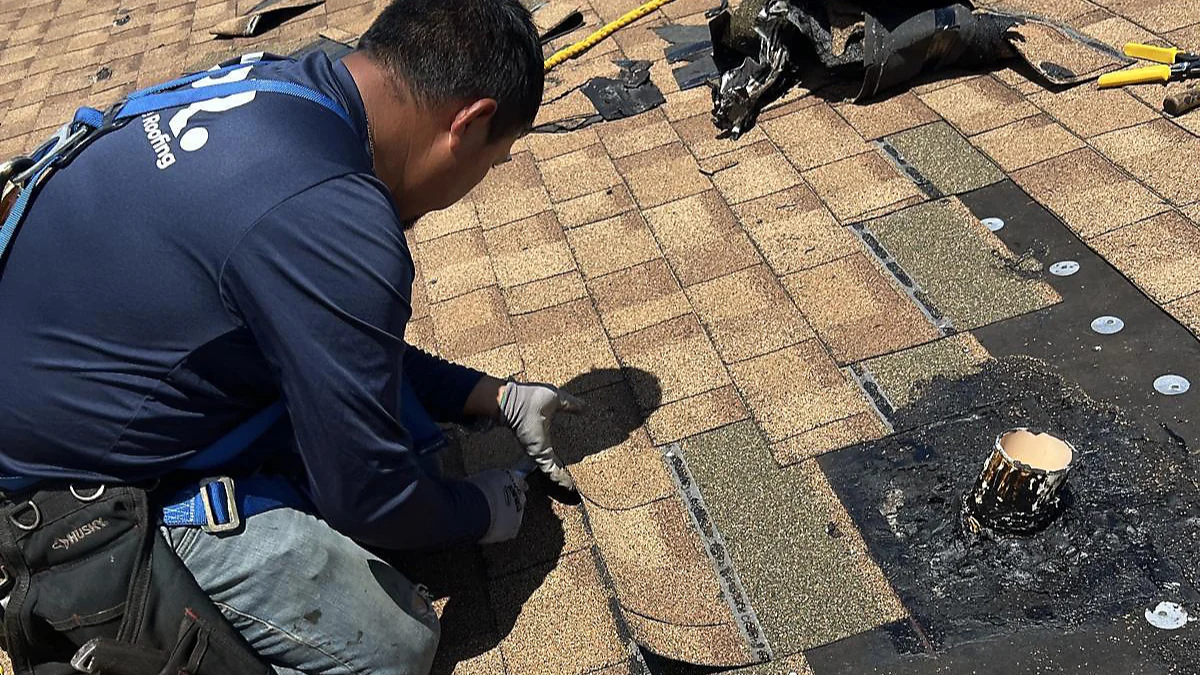
This part gets loud. Shingles, underlayment, flashing, everything old comes off. The team works section by section, cleaning as they go.
We also inspect the wood decking protection underneath. If it’s soft, warped or rotting, we replace it. This part matters. New shingles over bad wood is like putting new tires on a bent rim, it looks good, but won’t last.
Step 4: Installing underlayment and flashing
This is the invisible armor under your roof. We install:
- A waterproof barrier (underlayment) to protect against Florida’s heavy rains.
- Flashing around edges, valleys, vents, and chimneys to stop leaks before they start.
Each section is nailed down (with precision), not stapled for maximum grip during storms.
Step 5: Installing new shingles or metal panels
Now comes the part you’ll actually see from the curb. We install your chosen material:
- Asphalt shingles.
- Architectural shingles.
- Metal roofing (very popular in Central Florida).
We work in rows, from bottom to top, locking each layer tight. For metal roof replacements, we custom-fit each panel on-site.
Step 6: Vents, valleys and finishing touches
A solid roof breathes. That’s why proper ventilation is key. We inspect and install:
- Ridge vents.
- Soffit vents.
- Any attic exhaust upgrades.
Then we seal off valleys, chimneys and pipe boots, the usual spots where leaks try to sneak in.
Step 7: Final cleanup and walkthrough
We do a full sweep of your property, including:
- Nail magnets across grass and driveways.
- Cleanout of gutters (if part of the scope).
- Dumpster removal.
- Final checklist with you, the homeowner.
We leave your place looking better than when we arrived, just with a stronger, safer roof overhead.
How long does it take?
Most roof replacements in Central Florida take 1 to 3 days, depending on:
- Size of the home.
- Material used.
- Weather conditions.
- Pitch of the roof.
If there’s emergency damage and we need to install a tarp beforehand, our team handles it quickly and without ever nailing or screwing into your roof, unless there’s no other safe option.
Residential Roof Replacement
A residential roof replacement means more than just putting on new shingles. It’s about replacing the layers that protect your home:
- The underlayment (moisture barrier).
- The flashing (metal that redirects water).
- The ventilation (to keep your attic cool and dry).
- The ridge and hip caps (where most leaks form).
- And yes, the shingles or metal panels you actually see.
And you need to understand that if your roof is over 15 years old in Florida, especially with asphalt shingles, it may already be costing you more than it should. Here are some red flags that scream “replace me”:
- You’ve patched the same spot more than once.
- Multiple leaks or ceiling stains.
- Curling or missing shingles.
- Roof feels soft when walked on (yes, we test that safely).
- Neighbors in similar homes are replacing theirs.
How long does a residential roof last in Florida?
Not as long as you think.
| Roofing Material | Average Lifespan (in FL) |
| 3-Tab Shingles | 12–15 years |
| Architectural Shingles | 15–25 years |
| Metal Roofing | 30–50 years |
| Flat Roofing (TPO/EPDM) | 10–20 years |
Humidity, heat, sudden downpours and tropical storms wear down even the best materials. That’s why Protect Preserve Roofing only installs systems that are code-compliant and Florida-tested.
Insurance doesn’t always help
Many homeowners assume that if water gets in, insurance will cover the damage. That’s not always true.
If your roof was neglected, or if a tarp was nailed directly into the decking, your claim could be denied. We’ve seen it happen. That’s why we always:
- Use non-invasive tarp systems (sandbags, weighted anchors).
- Document everything with photos and moisture scans.
- Give you the real timeline and condition before you file a claim.
Wet decking = red flag for most insurers. Don’t give them a reason to walk away.
Quick reminder from Protect Preserve Roofing: From Orlando to Kissimmee, Apopka to Clermont, our crews are local, trained and ready. Whether your roof is already leaking or just showing signs of wear, we’re here to walk it, inspect it and give you the truth.
Commercial Roof Replacement
Whether you manage a retail space, office building, church, or warehouse, here’s what you need to know before diving into a commercial roof replacement. Most of them are flat or low-slope and that changes everything. They require:
- Special drainage systems.
- Custom materials like TPO, modified bitumen, or PVC.
- Detailed prep to handle HVAC units, vents, and heavy foot traffic.
- Compliance with stricter Florida building codes for commercial properties.
A misstep here can cost more than just money; it can disrupt your entire operation.
The cost is higher
The average commercial roof replacement cost in Central Florida can range anywhere from $12,000 to $80,000+, depending on:
- Square footage.
- Material used.
- Roof height and accessibility.
- Number of penetrations (vents, AC units, skylights).
Cutting corners can lead to:
- Drainage failures.
- Interior water damage.
- Mold liability.
- Lost revenue from downtime.
That’s why planning matters more on commercial jobs than almost anywhere else in construction.
Why flat roofs need special attention
Flat roofs are common in commercial buildings because they’re cost-effective and allow space for equipment. But they also:
- Pool water more easily.
- Heat up faster under Florida sun.
- Show damage slower (which makes leaks sneakier).
We inspect every inch for:
- Soft spots.
- Water pockets.
- Blistering membranes.
- Edge separation.
Tarping a commercial roof?
In emergencies, we install tarps fast, without drilling or screwing into your roof, unless there’s no other option. For flat roofs, we use:
- Weighted tarp systems.
- Sandbags.
- Strategic anchoring that won’t void warranties or flag insurance issues.
Tarps on commercial buildings range from $1,200 to $3,500, depending on size and layout. And yes, we provide full documentation for your insurance file.
Types of Roofing Materials for a Lasting Roof Replacement

Choosing the right roofing material isn’t just about looks. It’s about how well it handles Florida heat, heavy storms, and the occasional hurricane surprise. Let’s compare the most popular roof types side-by-side so you can make the right call:
| Roofing Type | Avg. Lifespan in FL | Cost Range (Installed per Sq. Ft.) | Strengths | Weaknesses | Best For |
| 3-Tab Asphalt Shingles | 12–15 years | $3.50 – $4.50 | Cheapest option, easy to install | Lower wind resistance, shorter lifespan | Basic residential homes on a tight budget |
| Architectural Shingles | 15–25 years | $4.50 – $6.50 | Better durability and look, longer life | Slightly more expensive | Homeowners wanting value + curb appeal |
| Metal Roofing | 30–50 years | $8.00 – $15.00 | Excellent in storms, reflects heat, low maintenance | Higher upfront cost, can dent | Long-term homeowners, hurricane zones |
| Tile Roofing (Clay/Concrete) | 40–60 years | $10.00 – $18.00 | Beautiful, long-lasting, heat resistant | Very heavy, fragile to walk on | Mediterranean-style homes with strong framing |
| Flat Roofing (TPO/Modified Bitumen/EPDM) | 10–20 years | $5.00 – $9.00 | Works on low-slope roofs, energy-efficient options | Shorter lifespan, ponding risk | Commercial buildings, garages, patio extensions |
| Synthetic Shingles (Slate Lookalikes) | 30–50 years | $8.00 – $14.00 | Lightweight, stylish, durable | Newer tech, varies by brand | Premium homes, style + performance seekers |
Need help choosing the right material?
If you’re not sure which one fits your home best, consider:
- How long you’ll live there.
- How much sun your roof takes daily.
- If you’re in a storm-prone zone.
- Your current roof’s pitch and load capacity.
Protect Preserve Roofing walks you through it, with real samples, clear cost breakdowns, and recommendations based on Central Florida’s climate, not guesswork.
Choosing the Right Roof Replacement Contractors
The materials might be top shelf. The shingles might have a 30-year roof warranty. However, if the contractor cuts corners, skips code requirements, or sends untrained workers, that roof won’t last. And when the next storm hits, you’ll be the one paying for it.
Let’s walk through how to choose the right roof replacement contractor, especially here in Central Florida.
- Make sure they’re local: You want a company that:
- Has a local license.
- Knows your city’s permitting process.
- Understands Florida building codes.
- Isn’t leaving the state when hurricane season ends.
- Check their license and insurance: Florida law requires roofing contractors to be licensed. But that doesn’t stop unlicensed crews from trying to slide through. Always ask to see:
- State roofing license (starting with CCC or CRC).
- General liability insurance.
- Workers’ comp coverage.
- Ask these questions before you sign: Before you commit, ask the contractor:
- How long have you been working in Central Florida?
- Do you pull permits or expect me to?
- Who will be on-site during installation?
- What’s your warranty — and is it in writing?
- Will you provide before/after photos and inspection reports?
- Avoid high-pressure sales tactics: No contractor should push you to sign today to “lock in a deal.” If the price changes in 24 hours, it wasn’t honest to begin with.
- Look for proof: Check Google reviews, photos of real jobs (not stock photos), social media updates, Florida DBPR license lookup and recent permits pulled (these are public record in most counties).
- Watch out for these red flags: Be cautious if a contractor:
- Doesn’t list a real office address.
- Won’t give references.
- Only accepts cash.
- Offers “leftover materials” at a steep discount.
- Suggests skipping permits to save money.
- Tells you to file an insurance claim before inspecting your roof.
Quick reminder: Protect Preserve Roofing is different because it has licensed, insured and local information. We never subcontract, we walk on your roof, show you what we see and answer every question, give you everything in writing and show up when we say we will.
Also read:
Conclusion: Let Us Help You with Roof Replacement
By now, you know what’s involved in a full roof replacement. It’s not a small job and it’s not one you want to leave to chance.
From materials and labor to permits and insurance, every detail matters. One wrong move could lead to leaks, mold, denied claims or costly do-overs. That’s not just frustrating, it’s expensive.
So, if you’re in Orlando or anywhere across Central Florida, this is your moment to stop guessing and start acting with confidence. At Protect Preserve Roofing, we:
- Show up on time.
- Explain everything clearly.
- Don’t subcontract to strangers.
- Use materials that meet Florida code.
- Install tarps safely when needed, without damaging your roof
- Help you understand your insurance and what it really covers.
- Serve residential and commercial clients, with local crews who know the weather, the codes, and the problems you’re facing.
From the first inspection to the final nail, we handle the process like it’s our own home on the line. We clean up, follow through and always pick up the phone.
So whether your roof is leaking, sagging, aging out, or just giving you that uneasy feeling don’t wait: call us to talk about your roof. You can also get an instant roof estimate or schedule a free roof assessment.
Protect your home. Preserve your peace of mind. That’s what we do and we’re ready when you are.
How much does a roof replacement cost in Florida?
The average roof replacement in Florida ranges from $8,500 to $15,000+ for residential homes. For larger or commercial properties, it can go beyond $30,000 depending on materials, pitch, and access. Our quotes are always clear, detailed, and based on your real roof condition.
How long does it take to replace a roof?
Most residential roof replacements take 1 to 3 days, depending on roof size, material, and weather. For complex or commercial jobs, it may take longer — but we’ll give you a clear schedule before we begin.
Is it safe to install tarps on a damaged roof?
Yes — but only if done correctly. We never nail or screw tarps into your roof unless it’s absolutely necessary (like with a steep pitch or severe structural damage). Our non-invasive tarp system uses sandbags and weighted anchors to avoid voiding insurance or causing more damage.
What’s the best roofing material for homes in Central Florida?
Architectural shingles and metal roofing are both popular and durable in Florida. Metal handles storms better and lasts longer, while shingles are more budget-friendly. We’ll help you choose the right material based on your home, goals, and budget.



Leave a Reply