



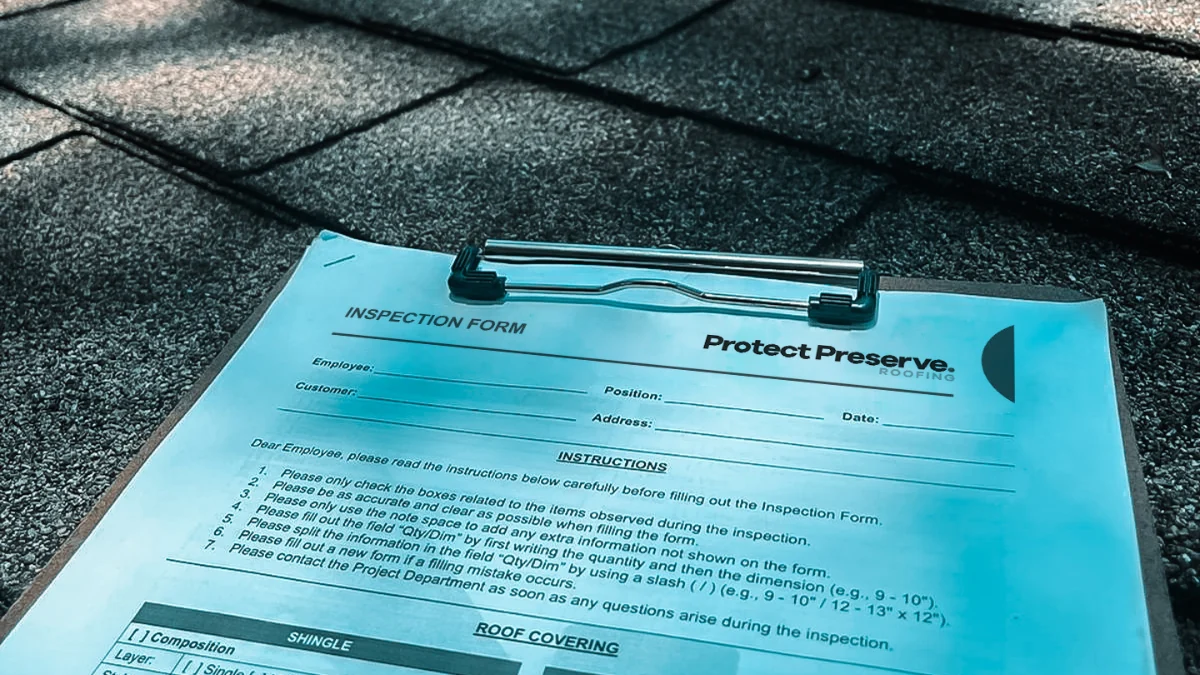


A roof warranty might look like just another piece of paperwork, until the day your roof starts leaking and you’re left wondering: Am I actually covered?
According to the National Association of Home Builders, nearly 80% of roofing warranty disputes happen because homeowners misunderstand what’s included… and what’s not. By then, it’s usually too late.
That’s why we created this guide. You’re about to discover the different types of roof warranties and what each one means, what’s actually covered, real-world risks that can void your warranty without warning, how to spot red flags in warranty contracts before signing anything and, most importantly, how to make sure your roof investment is truly protected.
Don’t wait until you have a leak to learn how your warranty works. Let’s break it down now, so you’re not caught off guard later.
Table of contents
What Is a Roof Warranty and Why Does It Matter?
Most homeowners believe their roof is fully covered. In reality, many warranties only protect certain parts and only under very specific conditions. That’s why understanding your warranty before the damage happens is not just smart, it’s necessary. Here’s why it matters:
- Roofs are expensive. The average replacement in the U.S. can cost over $10,000. If your warranty doesn’t help when you need it, that money comes straight from your pocket.
- Repairs add up fast. A single leak can lead to water damage, mold, and even structural issues.
- Most homeowners don’t read the fine print. That’s where warranty coverage gets tricky and costly.
Think of your roof warranty like a safety net. But not all nets hold the same weight. Some cover the materials, others the labor. Some kick in only under perfect conditions. And some expire faster than your roof ages.
If you don’t know what your warranty includes, you’re gambling with every storm that hits your home.
So, why does it matter? Because the moment your roof fails, it’s too late to “check the warranty.” You either know what’s covered or you pay out of pocket.
Types of Roofing Warranties: Material, Workmanship and More
Here are the three main types of roofing warranties you’ll come across and what each one really means.
Manufacturer’s material warranty
What it covers: This is the most common warranty. It covers defects in the roofing material itself, like shingles that crack, curl or fail before they should.
What it doesn’t cover: Poor installation, storm damage and leaks caused by flashing or ventilation issues.
Typical coverage time: 20 to 50 years, depending on the product.
Important note: If the contractor installs it wrong, the manufacturer might void the warranty entirely. That’s why choosing a trusted roofer like Protect Preserve Roofing isn’t optional, it’s part of your warranty protection.
Workmanship warranty (installation)
What it covers: This warranty is offered by the contractor. It covers mistakes made during installation. Think of nails driven too deep, misaligned shingles, or flashing done poorly.
What it doesn’t cover: Damage caused by weather or wear over time and material defects (that’s the manufacturer’s job).
Typical coverage time: 1 to 10 years, depending on the contractor.
Why it matters: Most roofing problems come from bad installation, not faulty shingles. So, this warranty often ends up being more important than the material warranty.

Extended or enhanced warranty
What it covers: This is usually sold as an upgrade. It combines material + workmanship coverage and may include extras like tear-off, disposal or transferability if you sell the house.
What it doesn’t cover: Damage caused by neglect and improper repairs by third parties.
Typical coverage time: Up to 50 years (sometimes transferable to the next owner).
Watch out: These often require certified installers and strict maintenance records. Skip a routine checkup? You might lose coverage.
Quick comparison table
| Warranty Type | Covers | Doesn’t Cover | Typical Length |
| Material Warranty | Defective shingles/materials | Bad installation, storm damage | 20–50 years |
| Workmanship Warranty | Installation errors | Material defects, weather | 1–10 years |
| Extended Warranty | Material + labor | Neglect, unauthorized repairs | Up to 50 years |
What Does a Roof Warranty Typically Cover?
Most roof warranties fall into two buckets: material and workmanship. Each covers different parts of the roof system, and each comes with rules. Here’s a breakdown of what’s usually included:
- What material warranties usually cover
- Manufacturing defects: Shingles that crack, blister, warp or lose granules early without outside damage.
- Premature aging: If the roof shows signs of failure long before its expected lifespan.
- Wind resistance (up to a limit): Often up to 60 mph for basic shingles, higher for upgraded products.
- What workmanship warranties usually cover
- Improper nailing or shingle alignment: If your roofer cuts corners and it causes leaks or damage, this covers it.
- Flashing and ventilation errors: Faulty flashing around chimneys or poor airflow that leads to rot or mold.
- Leaks caused by faulty labor: If water gets in because the job wasn’t done right, you may be covered.
- Important: This only applies if the contractor offers a warranty and if they’re still in business when you need them.
- What full-system warranties might add: These extended warranties sometimes include:
- Tear-off and disposal costs.
- Underlayment and flashing.
- Workmanship backed by the manufacturer.
- Transferability (if you sell the house).
- What most warranties don’t cover
- Storm damage.
- Water intrusion caused by clogged gutters or neglect.
- Foot traffic damage (e.g., satellite dish installs).
- Interior water damage unless directly caused by a defect.
- Aging beyond the “prorated period”.
Bottom line: If a storm blows a tarp off your roof and water gets in, don’t count on the warranty alone to save you. That’s where real service, like what Protect Preserve Roofing provides, makes the difference.
What’s Usually Not Covered in a Roofing Warranty
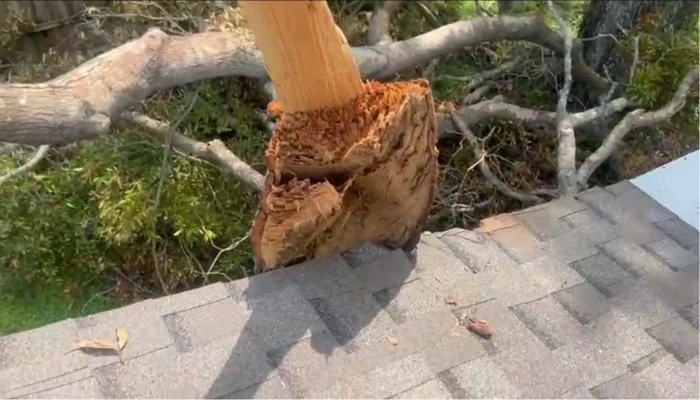
Roof warranties sound solid on the surface. But most come with pages of exclusions. These are the things that void your warranty or simply aren’t covered in the first place. Let’s lay it out plain and simple:
- Damage from severe weather: Most warranties exclude hurricanes, tornadoes, hail, ice dams and heavy wind beyond a certain speed.
- Improper maintenance or neglect: Did you clean your gutters? Did you fix that loose shingle before the rain came? If not, the warranty may be void. Roofs need basic care. If the damage was preventable, most warranties won’t pay for it.
- Work by another contractor: If you let a random handyman mess with your roof, you could lose your coverage. Only certified roofers should make repairs under warranty.
- Interior damage: Most warranties only protect the roof system itself, not what happens inside your home if the roof leaks. You’d need to go through your homeowner’s insurance for that and even then, coverage can be limited.
- Unauthorized roof add-ons: Adding a solar panel, a skylight or even a satellite dish? These can void your warranty if not installed correctly because they penetrate the roofing surface and if it’s not sealed by a certified roofer, it counts as “unauthorized modification.”
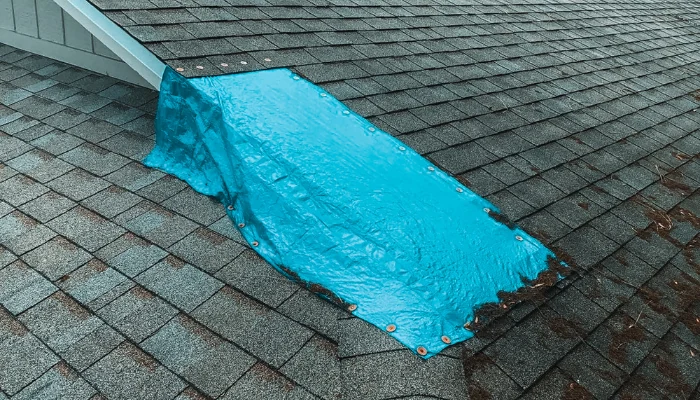
- Tarping done wrong: If someone nails or screws a tarp directly into the shingles, that alone can void both the warranty and possibly your insurance claim.
Quick reminder: If you’re thinking, “That’s a lot of loopholes,” you’re right. That’s why reading your warranty before the damage happens is key. And if you’re unsure what’s covered? Call a professional. A good roofer won’t just install your roof.
How Long Does a Roof Warranty Last?
A roof warranty might feel like long-term peace of mind. But how long that peace lasts depends on what kind of warranty you have and who installed your roof. Let’s clear this up with real numbers and no guesswork.
Typical warranty lengths by type
| Warranty Type | Coverage Period |
| Material warranty | 20 to 50 years |
| Workmanship warranty | 1 to 10 years (contractor-specific) |
| Extended warranty | Up to 50 years (with strict conditions) |
Those numbers sound great, until you read the fine print. Here’s what affects the actual length of your coverage:
- Prorated vs. non-prorated coverage
- Non-prorated: Full coverage for the early years. If your roof fails, they pay for full replacement.
- Prorated: Coverage decreases over time. The longer you wait, the less they pay.
- Many material warranties are only non-prorated for the first 10 to 15 years, after that, coverage drops fast.
- Maintenance makes a difference: Some extended warranties require:
- Yearly inspections.
- Maintenance logs.
- Only using approved roofers.
- Roofing material matters: Not all roofing lasts the same, and the warranty reflects that:
| Material Type | Common Warranty Length |
| Asphalt shingles | 20–30 years |
| Architectural shingles | 30–50 years |
| Metal roofs | 30–50 years or lifetime (with conditions) |
| Flat roofs (seal coats) | 10–20 years |
Quick reminder: Want help reviewing your current warranty or getting a new one that actually holds up? Protect Preserve Roofing can break it down with no pressure and no sales pitch. Just clear answers.
Does a Home Warranty Cover Your Roof Too?
A home warranty is a service contract that covers systems and appliances in your house. It’s different from homeowners’ insurance, which protects against damage from fire, storms or theft. Most home warranties cover:
- HVAC systems.
- Electrical panels.
- Plumbing.
- Water heaters.
- Kitchen appliances.
So… does it cover roofing? Sometimes and only partially. Some home warranty companies offer roof coverage as an optional add-on. When they do, here’s what that usually includes:
- Might cover:
- Minor roof leaks.
- Asphalt shingle patchwork.
- Flashing repairs (in some cases).
- Usually doesn’t cover:
- Full roof replacements.
- Major structural repairs.
- Roofs over detached structures (like sheds or garages).
- Flat roofs or metal systems.
- Damage from weather, mold or poor maintenance.
In other words, if your roof needs more than a small patch, don’t expect your home warranty to pick up the tab.
Common conditions to watch for
If your home warranty does include roof coverage:
- It likely has a dollar cap, usually around $500–$1,000.
- It may deny claims due to “pre-existing conditions.”
- You might have to use their contractor, not yours.
And yes, tarps improperly installed by you or a non-roofer can void both the home warranty and your roofing warranty.
Quick tip from Protect Preserve Roofing: If your home warranty does offer roof coverage, read that section closely. It might sound helpful, but the fine print often says otherwise.
Roof Warranty in Florida
Florida roofs take a beating. Sun, wind, salt, hurricanes… it’s all part of living here. That’s why roof warranties in Florida work a little differently than in other states. And yes, if you’re in Florida, you need to read the fine print twice.
Why Florida roofs face more risk?
Your roof in Florida deals with:
- Constant UV exposure.
- High humidity.
- Heavy rainfall.
- Hurricanes and tropical storms.
- Salt in coastal air (which wears out certain materials faster).
These conditions accelerate wear and tear and many manufacturers take that into account when setting warranty terms.
What’s different in Florida roof warranties?
Here’s what Florida homeowners need to keep an eye on:
- Shorter warranty periods: Some manufacturers reduce the non-prorated period of coverage in Florida due to “extreme conditions.” Instead of 10–15 years of full coverage, you may get just 5–7 years before proration starts.
- Strict installation requirements: In Florida, many warranties require specific installation practices to withstand wind uplift and meet local code. If your roofer cuts corners, you may lose coverage, even if the shingles are fine.
- Storm clauses: Warranties often exclude storm-related damage, especially from hurricanes or high winds. These events are usually insurance territory, not warranty.
- Roofing code rules matter: Florida’s building codes require specific materials and methods based on hurricane zones. If your roof wasn’t installed to code, your warranty may be void.
Bonus tip from Protect Preserve Roofing: Florida insurers often deny claims if they believe the damage is due to wear, not wind or hail. At the same time, your warranty may not apply if the damage is blamed on the storm. This is the frustrating middle ground where you’re left paying out of pocket, unless you have solid documentation and a good roofing partner.
Metal vs. Shingle vs. Flat: Roof Warranty Comparison
Different materials come with different warranties. Some last longer. Others come with more conditions. And some sound great until you read the fine print. Here’s a side-by-side breakdown to make your decision easier:
| Roof Type | Average Warranty Length | What’s Usually Covered | Common Warranty Limits |
| Asphalt Shingles | 20–30 years (often prorated after 10–15) | Material defects (cracks, curling, granule loss) | Poor installation voids coverage quickly |
| Metal Roof | 30–50 years (sometimes “lifetime”) | Rust, cracking, premature fading | Requires certified install + inspections |
| Flat Roof (Seal Coat) | 10–20 years | Membrane failure, UV-related cracking | Standing water often excluded |
Asphalt shingles
Still the most common choice in residential roofing, especially for budget-conscious homeowners – that can also finance.
Pros (in terms of warranty):
- Long history of manufacturer support.
- Wide range of extended warranty options.
- Easier to find certified contractors.
Cons:
- Warranty coverage often drops after 10–15 years.
- High risk of denial due to poor ventilation or improper nailing.
- Less protection in high-heat or high-wind areas like Florida.
Metal roof
More expensive up front, but often better protected.
Pros:
- Longer warranty lifespan (up to 50 years).
- Less prone to cracking, rot or water damage.
- Strong wind resistance.
Cons:
- Warranty often requires specific underlayments and fasteners.
- Must be installed by approved contractors — no room for shortcuts.
- Paint finish warranties are separate from structural warranties.
Flat roof (seal coat)
Mostly used in commercial or low-slope residential structures. Warranties here get tricky.
Pros:
- Shorter warranties, but some manufacturers offer solid coverage with proper upkeep.
- Protects against UV and basic membrane failure.
Cons:
- Standing water usually voids warranty.
- Must follow strict reapplication timelines.
- Many systems exclude ponding, which is common in flat designs.
Bottom line: A “lifetime” warranty sounds great, but it’s only as strong as the contractor who installs the roof, and the paperwork behind it. That’s why at Protect Preserve Roofing, we don’t just install the right roof; we make sure it’s covered the right way. From the material to the paperwork, you’re not left guessing.
Signs Your Roof Warranty May Be at Risk
Here are the most common mistakes that can put your warranty in danger:
- Hired the wrong contractor: If the contractor wasn’t certified by the manufacturer, your material warranty could be worthless.
- Skipped maintenance: Most warranties require “reasonable maintenance.” They don’t define it clearly, but if you can’t prove you took care of the roof, they’ll deny the claim.
- Let someone else work on the roof: A handyman, painter or satellite installer doesn’t count as a certified roofer. If they damage something, it could void your warranty.
- Nailed down a tarp: In emergency situations, tarps help prevent further damage. But if you nail or screw them directly into the shingles, you could void both your warranty and your insurance coverage.
- Didn’t register the warranty: Some manufacturers require you to register your warranty within 30–60 days of installation. If you forget, they’ll treat it like you never had one and there’s usually no second chance.
- Don’t have paperwork: If you can’t prove when the roof was installed, who did it, and what materials were used, most companies will default to denial. Save everything. Better yet, ask your roofer to do it for you, like we do at Protect Preserve Roofing.
How to File a Roof Warranty Claim
Filing a roof warranty claim should be simple. However, many homeowners get stuck in phone trees, buried in paperwork, or worse, flat-out ignored. Let’s walk through how to do it the right way:
Step 1: Read the warranty first
Don’t guess. Don’t assume. Pull out the actual document (or find the digital version) and read through the coverage terms, claim process, and exclusions. Focus on these sections:
- What’s covered.
- What’s not.
- How long coverage lasts.
- Conditions that void the warranty.
- Who to contact and how.
If it’s confusing, Protect Preserve Roofing can help walk you through it. No pressure, no jargon.
Step 2: Gather proof
Warranties rely on evidence, not your memory. Here’s what you’ll usually need:
- Photos of the damage (clear and dated).
- The original contract or invoice.
- Product information (brand, model, install date).
- Maintenance records (cleanings, inspections, repairs).
- Any notes or reports from your roofer.
No receipts? No problem, but you may need a certified roofer to inspect and verify the work.
Step 3: Contact the right company
You need to know who issued the warranty:
- Material defects? Contact the manufacturer.
- Installation issues? Contact the contractor who did the work.
- Extended system warranty? Usually goes through the roofer but backed by the brand.
Be specific when you reach out. Don’t just say “my roof is leaking.” Say: “My roof is leaking near the back vent. Installed in March 2020 with CertainTeed Landmark shingles. I’ve attached photos and the invoice. Please advise next steps under warranty.”
Step 4: Be ready for an inspection
In most cases, the manufacturer or contractor will send an inspector to verify the problem. They’ll check:
- If the issue is covered.
- Whether the installation was done to spec.
- If there’s any damage caused by weather, neglect or other trades.
This is where many claims fail, because the inspector finds signs of poor maintenance or an unqualified repair job.
Step 5: Stay organized and follow up
If you don’t hear back within 10–14 days, follow up. Keep a record of:
- Every email sent.
- Every phone call made.
- Every person you spoke to.
If the process stalls or feels like a dead end, having a professional roofing partner on your side (like Protect Preserve Roofing) can push things forward fast.
What not to do
- File the claim without reading the warranty.
- Assume your insurance and warranty will talk to each other.
- Wait too long — some warranties have short reporting windows.
- Fix the issue first and ask later, get approval in writing.
Bottom line: Filing a roof warranty claim isn’t rocket science, but it does require clarity, evidence and follow-through. If you’ve got those, your chances go way up.
How to Get the Best Roof Warranty Before Signing a Contract
The best time to protect yourself? Before the work starts. Here’s how to lock in the best roofing warranty:
- Ask for the warranty up front: Before you sign a single page, ask your contractor: “Can I see the exact warranty that comes with this roof?” If they hesitate, that’s a red flag.
- Get It in writing: Verbal promises don’t count. You need the warranty in clear, written form, showing:
- Start and end dates.
- What’s covered (materials, labor or both).
- Any conditions or exclusions.
- Steps for filing a claim.
- Who backs the warranty (contractor or manufacturer).
- Ask if it’s transferable: Some warranties allow transfers, but only within a limited time, and only if you file the paperwork. If the warranty isn’t transferable, it may hurt resale value.
- Choose a certified installer: Some of the best warranties only apply when the roof is installed by a certified contractor. This means:
- The roofer knows the product specs.
- They use approved techniques.
- You’re eligible for stronger, longer protection.
- Ask what voids the warranty: Before you agree to anything, ask: “What could void this warranty later?” Common answers might include:
- DIY repairs.
- Letting someone else work on the roof.
- Skipping inspections.
- Failing to register the warranty after install.
- Don’t base it on the “years” alone: A 50-year warranty sounds great. But how much is really covered after year 15? Ask about:
- Non-prorated period (the time you get full coverage).
- Prorated schedule (how benefits drop over time).
- Out-of-pocket costs if you ever file a claim.
Bottom line: Getting a solid roof warranty starts before the first shingle goes down. The right contractor makes it easy. The wrong one makes excuses. At Protect Preserve Roofing, we help you understand exactly what’s covered, how long it lasts, and what to expect with no fine print surprises.
Conclusion: Protect Preserve Roofing – Trusted Warranty Experts
From coverage gaps and confusing terms to short deadlines and strict rules, a warranty is only as strong as the team behind it.
That’s where Protect Preserve Roofing comes in. We don’t just install roofs. We make sure your investment is protected, before, during, and after the job is done. Here’s what you can expect from us:
- Clear explanation of your warranty options.
- Full documentation and proof of compliance.
- Certified installation to protect coverage.
- Guidance with claims, if you ever need it.
- Straight talk, no vague promises, no runaround.
Whether you’re dealing with an aging roof, storm damage or just don’t trust the paperwork you were handed over years ago our team is here to help.
Let’s make sure your next roof comes with real protection, not just a pretty number on a brochure.
Frequently Asked Questions (FAQ)
– Hiring non-certified contractors
– Skipping regular maintenance
– Nailing or screwing tarps directly into shingles
– Failing to register the warranty after installation
– Letting unauthorized people work on the roof
Reading the fine print and hiring a certified roofer can protect you from all of these issues.
– Who backs the warranty (the roofer or the manufacturer)?
– How long does full coverage last before it prorates?
– What actions void the warranty?
– Is the warranty transferable if you sell the home?
A trustworthy roofer will answer all of these clearly before you sign anything.
What’s the difference between a roof warranty and homeowners insurance?
A roof warranty covers defects in materials or workmanship from the installer or manufacturer. Homeowners insurance covers unexpected damage caused by external events like storms, fallen trees, or fires. You typically need both — one for installation protection, the other for emergencies.
What voids a roof warranty?
Common warranty-voiding mistakes include:
Hiring non-certified contractors
Skipping regular maintenance
Nailing or screwing tarps directly into shingles
Failing to register the warranty after installation
Letting unauthorized people work on the roof
Reading the fine print and hiring a certified roofer can protect you from all of these issues.
Can I transfer my roof warranty to the next homeowner?
Yes — many roof warranties are transferable, but only once. Usually, the transfer must be completed within 30 to 60 days after the home is sold. If you’re planning to sell soon, check if transfer paperwork is required so the warranty stays valid for the buyer.
What should I ask before signing a roofing contract?
sk for the complete warranty details in writing. Specifically:
Who backs the warranty (the roofer or the manufacturer)?
How long does full coverage last before it prorates?
What actions void the warranty?
Is the warranty transferable if you sell the home?
A trustworthy roofer will answer all of these clearly before you sign anything.


Leave a Reply