



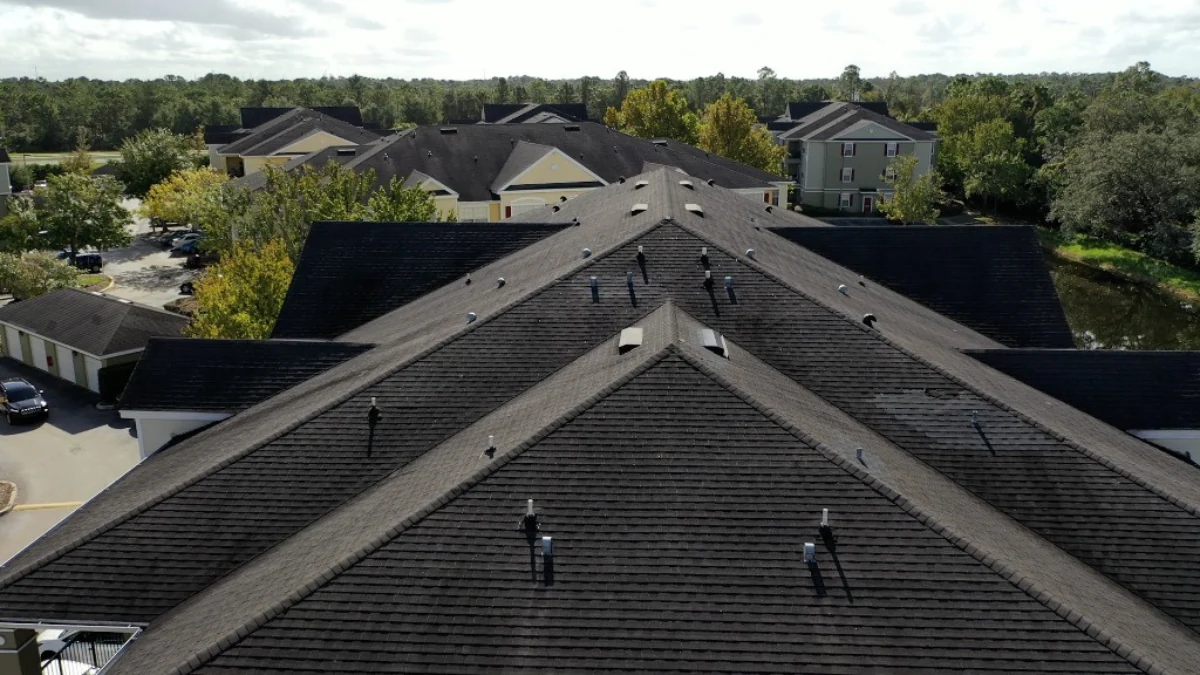


A shingle roof may look like a simple layer of protection, but it’s the backbone of your home’s comfort, energy efficiency and long-term value. According to the National Roofing Contractors Association (NRCA, 2025), over 70% of U.S. homes use asphalt or architectural shingles. Yet, choosing or maintaining the right one can be a challenge.
Homeowners across Orlando and surrounding areas are realizing that the right roof, isn’t just about shelter, it’s about long-term protection and smarter living. Whether you’re replacing old asphalt shingles, considering a metal shingle roof or comparing architectural options, understanding your choices today can save you thousands tomorrow.
In this complete guide, we’ll uncover everything you need to know about shingle roofs – from types, prices and installation techniques to maintenance tips and local insights for Florida homeowners. Our goal isn’t just to explain but to empower you to make the right decision with confidence.
Remember: your roof should do more than cover your home; it should protect your investment, one shingle at a time.
Table of contents
What Is a Shingle Roof and Why It Matters
A shingle roof is one of the most common and dependable roofing systems in the United States and for good reason: each “shingle” is a small, overlapping piece of material that forms a watertight barrier against rain, wind and sun. Together, they create a protective layer that helps your home stay cool, dry and secure year after year.
In Florida, that protection matters more than anywhere else. The state’s mix of heavy rain, strong UV rays and hurricane-force winds puts every roof to the test. Shingle roofs offer a balance of durability, affordability and easy maintenance, making them a practical choice for homeowners across Orlando and Central Florida.
There are three main types of asphalt shingles, each built for different needs and budgets:
- 3-Tab shingles: Flat, single-layer shingles that give a clean, even look. They’re the most affordable but typically last around 15–20 years.
- Architectural shingles: Multi-layered and thicker, with a dimensional design that mimics wood shakes. These shingles can last 25–30 years and stand up better to wind and storms.
- Luxury shingles: The top tier. Heavier and more elegant, these can resemble slate or cedar and last up to 50 years when installed correctly.
Most Florida homes rely on architectural shingles because they hold up well against heat and humidity while adding curb appeal. Many modern options also include algae-resistant technology, which prevents dark streaks in humid coastal air, and impact-resistant ratings, ideal for homes exposed to flying debris during tropical storms.
If you live in Orlando or anywhere in Central Florida, the Protect Preserve Roofing team can inspect your roof and help you choose the best shingle system for your home’s style, budget, and weather exposure. Schedule your free roof inspection today.
Types of Roof Shingles and Their Key Differences
Not all shingles are created equal. The right type of shingle can make a major difference in how your roof performs under Florida’s intense sun, heavy rain and hurricane winds. Understanding each option helps homeowners choose the balance of cost, durability and appearance that fits their goals.
Asphalt roof shingles
Asphalt shingles remain the most widely used roofing material nationwide and for good reasons. They’re versatile, affordable and reliable. There are three main categories:
- 3-Tab shingles: These are the simplest styles, a single, flat layer that provides a smooth and uniform look. They’re lightweight and easy to install but have a shorter lifespan of about 15–20 years. Best for rental homes or budget-friendly projects.
- Architectural (dimensional) shingles: A favorite. These multi-layered shingles create a rich, dimensional look that mimics wood shakes. They resist strong winds and extreme heat, lasting 25–30+ years.
- Luxury (designer) shingles: High-end shingles with deep profiles and detailed texture, made to resemble slate or cedar. They’re heavier and more durable, often lasting up to 50 years. Perfect for homeowners who value long-term protection and appearance.
Bonus Features for Florida Roofs:
- Algae-resistant shingles: Prevent dark streaks caused by humidity.
- Impact-resistant shingles (class 4): Offer stronger protection against hail and debris.
- Cool roof shingles: Reflect sunlight to reduce attic heat and energy bills.
Metal roof shingles
Metal shingles combine the look of traditional roofing with the resilience of steel or aluminum. They perform well in coastal environments and resist cracking, fading or warping under heat.
- Stone-coated metal shingles: Designed to look like tile or slate but weigh less and last longer.
- Lifespan: 40–70 years.
- Best for: Homes that need strong wind resistance and low maintenance.
Many homeowners in Florida upgrade to metal shingle roofs for longevity and energy efficiency, especially after storm-related roof replacements.
Tile roof shingles
Tile shingles – whether clay, concrete or slate – deliver unmatched durability and timeless style. They are heavier and costlier but can last over 50 years.
- Clay tiles: Ideal for Mediterranean or Spanish-style homes; natural and long-lasting.
- Concrete tiles: More affordable, strong, and available in many profiles.
- Slate tiles: Elegant, natural stone with exceptional lifespan and fire resistance.
While asphalt remains the most common choice, tile and metal roofs are popular upgrades in Florida neighborhoods where strength and visual appeal are equally important.
Quick reminder: Architectural asphalt shingles offer the best blend of cost, strength and style for most homes. But metal and tile systems are strong contenders for long-term value. The Protect Preserve Roofing team can walk you through every option, show you samples and provide a detailed estimate.
Asphalt vs. Metal Roof: Which One Is Right for You?
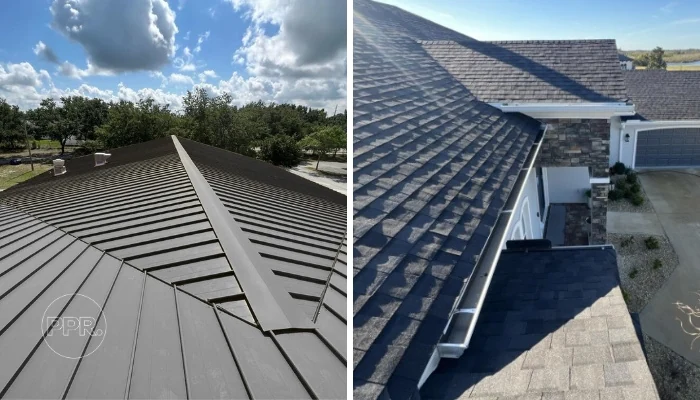
The comparison below highlights what homeowners need to know before making a decision:
| Feature | Asphalt Shingle Roof | Metal Roof (Standing Seam or Shingle) |
| Average Lifespan | 20–30 years (Architectural) | 40–70 years depending on material |
| Upfront Cost | Lower initial cost | Higher initial cost but long-term savings |
| Maintenance Needs | Simple repairs, occasional cleaning | Minimal maintenance, fastener checks every few years |
| Wind Resistance | Up to 130 mph (Architectural Class F) | Up to 160 mph (Standing Seam) |
| Impact Resistance | Good, can include Class 4 impact rating | Excellent, especially with stone-coated systems |
| Heat & UV Resistance | Reflective options available, moderate lifespan in high heat | High reflectivity, superior heat resistance |
| Noise Level During Rain | Quieter (absorbs sound) | Louder unless insulated properly |
| Weight on Structure | Light to moderate | Very light (aluminum) to moderate (steel) |
| Curb Appeal Options | Wide range of colors and textures | Modern, sleek, or classic stone-coated looks |
| Eco-Friendliness | Some recyclable options | Highly recyclable and energy-efficient |
| Installation Time | 1–3 days (standard home) | 2–5 days (precision installation) |
| Insurance Benefits | Often lower premiums for new roofs | May qualify for discounts due to longevity and durability |
| Best For | Homeowners seeking affordable, classic roofing | Homeowners prioritizing durability, storm protection, and energy savings |
Key takeaways:
- Asphalt roofs are a reliable, cost-effective option for most homes. They’re easy to repair, meet local building codes and perform well in Florida’s variable weather when properly installed.
- Metal roofs, on the other hand, offer superior strength, energy efficiency and wind resistance, making them a smart investment in areas exposed to heavy storms and coastal conditions. While they cost more upfront, they can outlast two or more asphalt roofs over time.
If your home is in Orlando or anywhere across Central Florida, our team at Protect Preserve Roofing can help you decide which option fits your property, lifestyle, and long-term goals. Compare your roof options and get a detailed quote today.
How to Choose the Best Shingle Roofing for Your Home
Finding the right shingle roof means comparing performance, cost and maintenance in a clear, practical way. The table below highlights the main features of today’s most common asphalt shingle types, along with when each makes the most sense for your home:
| Feature | 3-Tab Shingles | Architectural (Dimensional) Shingles | Luxury (Designer) Shingles |
| Appearance | Flat, uniform look | Layered, dimensional texture | Deep, slate- or cedar-like design |
| Durability | Basic weather protection | High wind and impact resistance | Superior resistance to wind, hail and fading |
| Average Lifespan | 15–20 years | 25–30+ years | 40–50 years |
| Maintenance Needs | Easy to repair; shorter cycle between replacements | Low maintenance; occasional inspection | Minimal maintenance; long-term warranty coverage |
| Weight on Roof Deck | Light | Moderate | Heavy |
| Wind Rating | Up to 60 mph | Up to 130 mph (Class F) | 130 mph or higher |
| Algae / Mold Resistance | Limited | Available in most models | Standard feature |
| Energy Efficiency | Standard | Reflective options available | High-reflective “cool roof” options |
| Curb Appeal | Simple, traditional | Modern and textured | Premium, upscale look |
| Typical Cost | $ | $$ | $$$–$$$$ |
| Best For | Rental homes or short-term ownership | Most residential properties | High-value or custom homes |
How to decide
- Set priorities: If cost is your main concern, 3-tab shingles cover the basics. For balance between price and performance, architectural shingles are the preferred middle ground.
- Think long term: Homeowners who plan to stay for many years often recover the higher cost of architectural or luxury shingles through fewer replacements and better energy efficiency.
- Check installation quality: Even the best shingles fail with poor installation. Always confirm your roofer is licensed, insured, and follows manufacturer and Florida Building Code standards.
- Review warranty details: Compare both manufacturer and workmanship coverage. Longer warranties often indicate higher-quality materials and verified installation methods.
Quick reminder: Selecting a roof should be a clear decision, not a guessing game. The Protect Preserve Roofing team provides inspections, material samples and precise estimates so you can compare options side by side.
Step-by-Step: How Roof Shingles Are Installed
Below is a clear breakdown of how professional roofers complete a shingle roof installation, following Florida Building Code and manufacturer standards:
| Step | Description | Key Details & Professional Tips |
| 1. Inspection and Preparation | Before any shingles go on, the existing roof is inspected for leaks, wood rot or structural damage. | Damaged decking or rafters are replaced, and the surface is cleaned to ensure proper adhesion. |
| 2. Tear-Off and Cleanup | The old shingles, nails, and underlayment are completely removed. | A clean, smooth deck is essential for proper shingle alignment and longevity. |
| 3. Deck Repair and Reinforcement | Any weak or soft spots are repaired. | Using high-quality OSB or plywood decking provides a stable foundation. |
| 4. Underlayment Installation | A waterproof barrier (usually synthetic felt) is rolled out over the deck. | Prevents moisture infiltration and meets Florida’s moisture barrier codes. |
| 5. Flashing Installation | Metal flashing is installed around chimneys, vents and valleys. | Proper flashing prevents water from entering weak points — a common failure area in older roofs. |
| 6. Starter Strip Shingles | The first row of shingles (starter strip) is installed along the eaves. | This ensures correct alignment and provides a seal to prevent wind uplift. |
| 7. Main Shingle Installation | Shingles are laid in overlapping rows from bottom to top. | Each shingle is nailed in place following manufacturer guidelines for spacing and pattern. |
| 8. Ridge Cap and Venting | Special ridge shingles and ventilation systems are added at the roof peak. | Allows hot air to escape from the attic, improving energy efficiency and roof lifespan. |
| 9. Sealing and Final Inspection | All seams are sealed, and the roof is inspected for alignment, proper ventilation, and clean nail patterns. | A final quality check ensures the system is watertight and compliant with Florida’s wind codes. |
| 10. Cleanup and Documentation | The site is cleared of debris, nails, and materials. | Photos and reports are provided for warranty registration and homeowner records. |
If you’re planning a new roof, a replacement or just want to confirm your installation was done right, schedule a professional inspection with our licensed Florida team. Book your roof installation assessment today.
Understanding Roof Shingle Prices and Warranties
It’s not just about the shingles themselves. The total cost depends on materials, roof size, pitch, accessibility and local building requirements. Let’s take a look with a comparison table:
| Roof Type | Average Installed Cost (Per Square Foot) | Typical Lifespan | Notes |
| 3-Tab Asphalt Shingles | $3.00 – $4.50 | 15–20 years | Most affordable; best for small or budget-conscious projects |
| Architectural Asphalt Shingles | $4.50 – $6.50 | 25–30+ years | Most popular balance of cost, appearance, and durability |
| Luxury Asphalt Shingles | $7.00 – $9.00 | 40–50 years | Premium look; high impact and wind resistance |
| Metal Shingle Roof | $8.00 – $12.00 | 40–70 years | High efficiency; excellent for long-term investment |
| Tile Roof (Clay or Concrete) | $10.00 – $15.00 | 50–100 years | Heavy and long-lasting; ideal for architectural homes |
Note: Prices include labor, underlayment, and standard flashing. Factors like steep pitch, complex rooflines or additional ventilation systems can slightly increase the total.
Cost variables
A few key elements determine the final cost of a shingle roof installation:
- Roof pitch and height: Steeper roofs require additional safety equipment and time.
- Roof condition: Replacing damaged decking or adding insulation increases labor.
- Material selection: Architectural and luxury shingles come at a higher price but often provide longer warranties and better energy performance.
- Permits and local codes: Florida Building Code compliance, wind ratings and underlayment requirements can affect cost.
- Weather protection add-ons: Ice and water shields, drip edges or algae-resistant coatings may add a small but worthwhile premium.
Understanding roof warranties
Most homeowners receive two types of warranties and both matter:
| Warranty Type | Coverage | Provided By | Typical Duration | What It Covers |
| Manufacturer Warranty | Covers defects in materials | Shingle manufacturer | 20–50 years depending on product line | Material defects, premature cracking, granule loss |
| Workmanship Warranty | Covers labor and installation quality | Roofing contractor | 5–15 years | Installation errors, flashing issues, nail placement |
| Extended System Warranty | Optional upgrade for full system coverage | Manufacturer (if certified installer) | Up to lifetime | Includes materials, underlayment and workmanship under one plan |
Tip: Always confirm that your roofer is licensed and registered with the manufacturer, otherwise, you may lose eligibility for extended coverage.
Why investing in quality pays off
A cheaper roof might save you money now but could cost more in repairs later. Architectural or luxury shingles not only look better but also resist wind uplift, algae and fading, giving you stronger warranties and fewer maintenance headaches.
When evaluating quotes, compare total value – lifespan, warranty coverage and documented workmanship – not just the lowest price.
Maintenance Tips
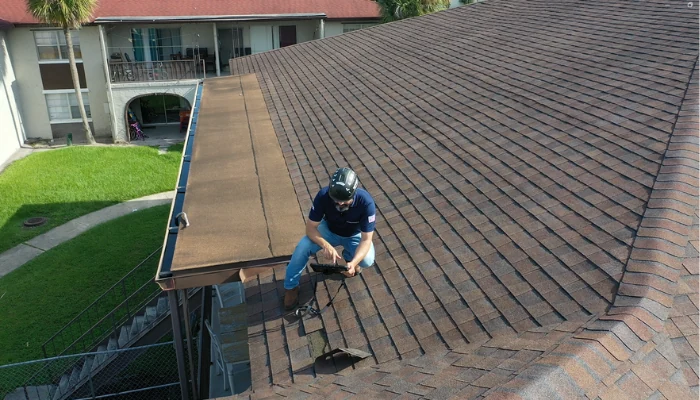
Small preventive steps taken each year can stop costly repairs, extend your roof life and keep warranties valid.
- Inspect after every major storm: Heavy rain, high winds or flying debris can loosen shingles or flashing. After any storm, take a few minutes to visually inspect your roof from the ground. Look for:
- Missing, cracked or curled shingles.
- Exposed nails or lifted flashing.
- Clogged gutters or downspouts.
- Debris build up in roof valleys.
- Keep gutters clean and drains clear: Clean gutters at least twice a year: once before the rainy season and once after hurricane season.
- Tip: Installing gutter guards can reduce the amount of cleaning required and protect fascia boards from overflow damage.
- Trim nearby trees: Keeping a safe 6–10 foot clearance reduces roof wear and limits moisture buildup from shade.
- Watch for algae and mold growth: Use algae-resistant shingles or apply a gentle, roof-safe cleaner once a year to prevent growth. Avoid pressure washing, it can strip granules and shorten your roof’s lifespan.
- Check attic ventilation: Ventilation issues are simple to fix but can have major long-term effects if ignored. Signs of poor ventilation include:
- High attic humidity or musty odor.
- Peeling paint near roof edges.
- Rusted nails or damp insulation.
- Schedule annual professional inspections: A yearly inspection includes:
- Detailed photo documentation.
- Flashing and sealant check.
- Fastener and ridge vent review.
- Recommendations for maintenance or minor repairs.
- Avoid DIY fixes: Roofing might look simple, but one wrong nail placement can lead to leaks or void your warranty. Always let a licensed contractor handle repair, especially after storms.
Schedule your roof health check with Protect Preserve Roofing, and keep your home safe, dry, and energy-efficient year-round. Book your professional roof maintenance inspection.
Environmental Benefits of Modern Shingle Roofs
Roofing materials once known for short lifespans and landfill waste have evolved into high-performance systems that help homeowners save energy, reduce heat and support sustainability, all without sacrificing style or durability.
- Improved energy efficiency: Modern shingles are engineered with reflective granules that bounce sunlight away from your roof. This lowers attic temperatures, eases the load on air conditioners, and can cut cooling costs by 10–15% in Florida’s hottest months.
- Cool roof technology: “Cool roof” shingles use specialized coatings that reflect solar radiation and emit absorbed heat quickly. Benefits include:
- Lower surface temperatures (up to 50°F cooler than standard shingles).
- Improved comfort inside your home.
- Extended shingle life thanks to less heat stress.
- Recyclable and sustainable materials: Many shingle manufacturers now use recycled asphalt and offer full recycling programs for tear-off materials. Instead of going to landfills, old shingles are repurposed into road paving and construction materials.
- Reduced urban heat island effect: Reflective shingles and lighter colors help offset this by reflecting more sunlight and keeping communities cooler, a small but meaningful step toward a more sustainable urban environment.
- Longer roof lifespans = less waste: Architectural and luxury shingles last significantly longer than older 3-tab versions, meaning fewer replacements and less waste over time. A roof that lasts 30–50 years instead of 15–20 reduces total material usage by half.
- Eco-friendly installation practices: Protect Preserve Roofing follows Florida Building Code and environmentally responsible installation standards, including:
- Proper disposal and recycling of tear-off debris.
- Use of energy-efficient underlayment and sealant.
- Minimizing waste through precise material measurements.
Conclusion: Protecting Your Florida Home with Expertise You Can Trust
Your roof isn’t just another part of your home, it’s your first line of defense against Florida’s heat, rain and hurricane winds. Whether you’re replacing old shingles, repairing storm damage or upgrading to a more durable system, choosing the right team matters just as much as choosing the right material.
At Protect Preserve Roofing, every project starts with precision and ends with peace of mind. Our licensed Florida professionals use the same documentation platforms trusted by insurance carriers to ensure every repair, replacement or inspection meets code and quality standards. From initial assessment to final cleanup, we treat every roof as if it were our own.
Here’s what sets us apart:
- Fast response for emergency repairs and roof tarping (available 24/7).
- Expertise in asphalt, metal, and tile roofing systems built for Florida’s climate.
- Transparent pricing, code-compliant workmanship, and photo-documented results.
- Local team members who understand the region’s unique weather challenges and building codes.
If your roof is aging, leaking or showing signs of wear, now’s the time to act. Delaying small repairs can lead to costly structural issues, especially in a humid, storm-prone environment.
Schedule your professional inspection or replacement consultation today. Our team is ready to provide fast, honest and expert service wherever you are in Central Florida. Request your roofing quote or inspection now.
Protect your investment. Preserve your home. That’s more than a slogan, it’s what we do every single day.
What’s the average cost of a new shingle roof in Florida?
Most architectural shingle roofs range between $4.50 and $6.50 per square foot installed, depending on materials, pitch, and structure. Luxury shingles or metal systems cost more upfront but last significantly longer.
Request a detailed roofing quote here.
How long does roof installation take?
Minor repairs: 1 day or less
Full shingle replacement: 1–3 days
Metal or tile systems: 3–5 days
Weather, permits, and material delivery can affect timing, but we always provide a clear schedule before work begins.
How can I extend my roof’s lifespan?
Simple maintenance habits make a big difference:
Clean gutters twice a year.
Trim nearby trees.
Schedule annual inspections.
Remove debris after storms.
Check attic ventilation.
These small steps can add years to your roof’s life and preserve warranty coverage.
What roofing materials do you install?
We specialize in:
Asphalt shingles (3-tab, architectural, luxury)
Metal roofs (standing seam, exposed fastener, and stone-coated)
Tile roofs (clay, concrete, and slate)
Flat roofing systems (TPO, PVC, and modified bitumen — cold applied only)
Each system is installed to Florida Building Code standards and tailored to your property’s needs.


Leave a Reply