



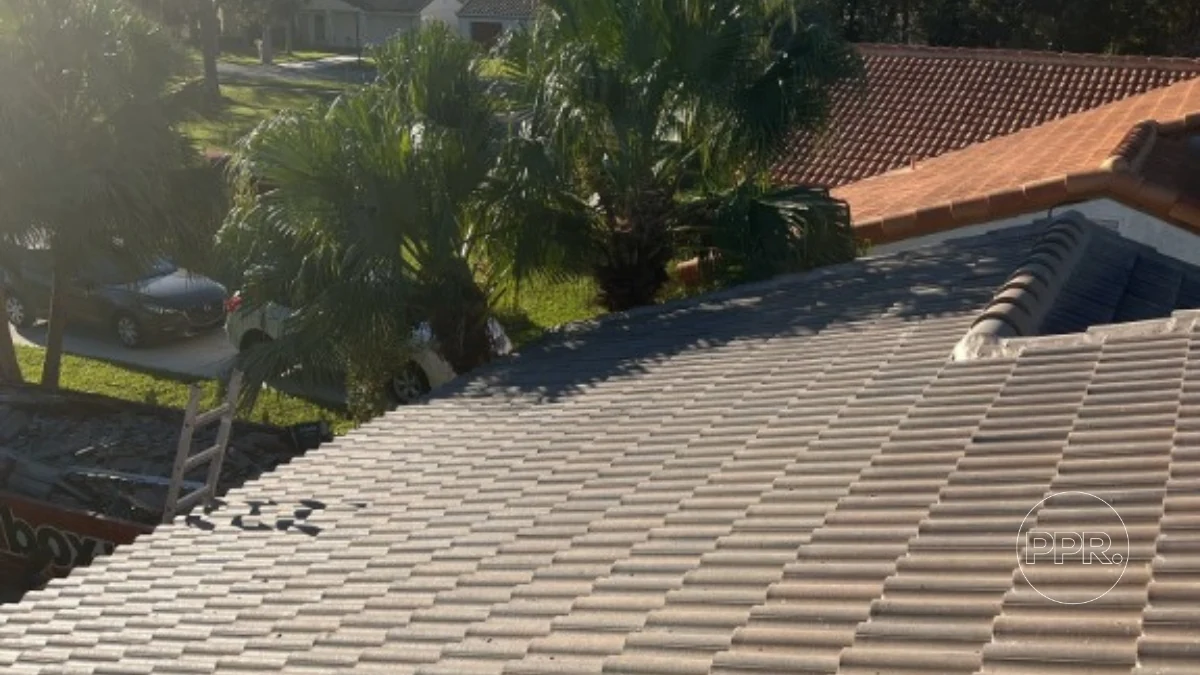


A tile roof replacement might sound like a big project, and it is. However, most Florida homeowners don’t realize. According to the National Association of Home Builders (NAHB), properly installed tile roofs can last 50 years or more, while the underlayment beneath them often needs replacing after just 20–25 years. That means your tiles may look fine, but your roof could already be at risk.
So, tile roof replacement isn’t just about swapping old materials for new ones; it’s about restoring your home’s strength, energy efficiency, and value before small problems turn into major headaches.
In this guide, you’ll learn what a tile roof replacement involves, when it’s truly needed and what signs indicate it’s time to act. We’ll also cover the different types of tile materials, their lifespans, what to expect during installation, and how costs vary depending on your home’s design and underlayment condition.
The goal is to help you make an informed decision before replacing your roof – understanding not only the process and costs, but also how to extend its lifespan and improve your home’s energy efficiency after installation.
Let’s dive into it.
Table of contents
What Is Tile Roof Replacement and When Is It Needed?
Tile roof replacement is the process of removing old, damaged or failing roofing tiles and installing a new, long-lasting system that restores the strength and beauty of your home. While tile roofs are known for their impressive durability, Florida’s intense sun, humidity and storms can shorten that lifespan if the system isn’t properly maintained.
Most homeowners begin considering tile roof replacement when they notice persistent leaks, cracked or missing tiles, or worn- out underlayment – the waterproof layer beneath the tiles. This underlayment is especially critical in Florida’s climate, where heavy rainfall and high winds can quickly expose weak spots.
Here are some clear signs it may be time to replace your tile roof:
- Frequent leaks or ceiling stains after heavy rain.
- Broken, cracked, or loose tiles across multiple roof sections.
- Visible sagging or soft spots caused by moisture damage.
- Aging underlayment (often deteriorates after 20–25 years, even if tiles still look good).
- Rising repair frequency, indicating that patchwork fixes aren’t lasting.
If you’re seeing any of these warning signs, replacing the entire tile roof system often proves more cost-effective in the long run. A full replacement restores waterproofing integrity, improves wind resistance and ensures your home meets current Florida Building Code standards.
Pro tip: Many homeowners are surprised to learn that the tiles themselves can sometimes be reused if they’re still structurally sound. The key is to ensure the underlayment and flashing are properly replaced by licensed professionals.
Types of Roof Tiles and Their Lifespans
Below is a complete, easy-to-scan comparison table covering the main roof tile types, their characteristics, benefits, drawbacks, and lifespans optimized for Florida homeowners looking for durability and style:
| Tile Type | Material Composition | Appearance & Style | Average Lifespan | Key Advantages | Common Drawbacks | Best For |
| Clay Tile | Natural clay, kiln-baked | Traditional curved “S” or flat profile, warm earthy tones | 50–100 years | •Timeless, upscale aesthetic • Fire and UV resistant •Great color retention | •Heavier than other materials • Higher cost • Requires strong roof framing | Mediterranean, Spanish, or coastal-style homes |
| Concrete Tile | Cement, sand, water mix | Can mimic clay, wood, or slate textures | 30–50 years | • Affordable alternative to clay • Good wind and impact resistance • Available in many colors | • Can absorb moisture if unsealed • Slight color fading over time | Suburban or HOA-regulated neighborhoods |
| Slate Tile | Natural stone or synthetic composite | Flat, elegant, high-end texture | Natural: 75–100+ yrs Synthetic: 40–50 yrs | • Exceptional durability • Fireproof and weather-resistant • Adds luxury curb appeal | • Very heavy • Expensive • Fragile during installation | Luxury or historic-style homes |
| Metal Tile (Stone-Coated) | Steel or aluminum base with stone-chip coating | Mimics clay or shingle style with modern finish | 40–70 years | • Lightweight yet strong •Excellent hurricane and corrosion resistance • Low maintenance | • Slightly higher cost • May produce noise without insulation | Coastal or hurricane-prone Florida regions |
| Composite Tile | Recycled plastic, rubber, or polymer | Customizable designs in various textures | 30–50 years | • Lightweight and eco-friendly • Easy to install • Good energy efficiency | • Shorter lifespan than metal or clay • Limited availability | Eco-conscious or modern builds |
| Solar Tile | Photovoltaic glass integrated with roofing system | Sleek, futuristic appearance | 25–30 years | • Generates renewable energy • Reduces utility bills • Adds property value | • Expensive upfront • May require special maintenance | Energy-efficient or new-construction homes |
Key takeaways:
- Clay and metal tiles perform best in Florida’s humid, storm-prone climate, they resist high winds, salt, and sun damage.
- Concrete tiles are a cost-effective middle ground but need sealing to prevent water absorption.
- Slate offers unmatched longevity but is often too heavy for standard home structures.
- Composite and solar tiles provide modern, lightweight alternatives with environmental benefits.
- Even if your tiles still look fine, the underlayment beneath them typically lasts only 20–25 years. Replacing it on time is essential to prevent leaks and costly interior damage.
Protect Preserve Roofing helps homeowners in Orlando and across Central Florida choose the right tile system for lasting beauty and performance. Get your construction-based roof replacement estimate now.
Tile Roof Replacement Step-by-Step
Below is a clear breakdown of how experts like Protect Preserve Roofing perform a roof replacement, the right way.
- Roof inspection and assessment: Every replacement starts with a thorough inspection. Our licensed roofing specialists examine:
- The condition of the tiles and underlayment.
- Signs of leaks, soft decking or structural rot.
- Flashing, valleys and ventilation systems.
- Removing existing roof tiles: Once the plan is approved, the crew safely removes all old tiles, underlayment, and flashing components.
- Reusable tiles (like clay or concrete) are carefully set aside for cleaning and reinstallation if they’re in good shape.
- Damaged or cracked tiles are discarded and replaced with new ones that match your home’s style.
- Deck inspection and repairs: After tile removal, the roof decking (wood base) is fully exposed and inspected.
- Any areas showing rot, mold or water damage are replaced.
- Structural reinforcements are added if needed to support heavier materials like clay or slate.
- Installing waterproof underlayment: The underlayment is the barrier that keeps moisture out and your interior dry. In Florida, this layer is often the first to wear down due to heat and humidity.
- We use high-performance synthetic or self-adhering underlayment, which lasts 25+ years.
- It’s carefully rolled, sealed and fastened to create a watertight surface before tiles are reinstalled.
- Note: Many homeowners think their tiles are the cause of leaks, but in most cases, underlayment deterioration is the real culprit.
- Flashing and ventilation installation: Proper metal flashing is added around chimneys, vents, valleys and roof edges to direct water away from vulnerable areas. We also check attic ventilation, an overlooked factor that affects your roof’s lifespan and indoor temperature regulation.
- Laying and securing the new tiles: This is where your roof’s appearance comes to life.
- Tiles are aligned and installed according to manufacturer specifications and Florida Building Code.
- Each tile is fastened securely, sometimes using foam adhesive systems designed to resist hurricane-force winds.
- Hip and ridge caps are installed last for a seamless, finished look.
- Final inspection and cleanup: Once installation is complete, the crew performs a comprehensive quality check:
- Ensures alignment, sealing and fastening integrity.
- Tests for proper drainage.
- Conducts a magnetic nail sweep and debris cleanup.
Tile roof replacement summary table
| Step | Process | Purpose |
| 1. Inspection | Evaluate tile, underlayment, and decking condition | Identify structural or waterproofing issues |
| 2. Tile Removal | Carefully remove and sort existing tiles | Prepare surface and salvage reusable materials |
| 3. Deck Repairs | Replace damaged wood sections | Ensure structural strength and code compliance |
| 4. Underlayment Installation | Apply synthetic or self-adhering waterproof barrier | Protect roof from leaks and moisture |
| 5. Flashing & Vents | Install new metal flashings and check ventilation | Prevent leaks and improve airflow |
| 6. Tile Installation | Lay new or reused tiles with secure fastening | Create durable, wind-resistant surface |
| 7. Final Inspection | Verify quality, cleanup, and homeowner satisfaction | Deliver long-lasting, code-compliant roof |
Quick reminder: A properly replaced tile roof not only restores your home’s beauty but also reinforces its protection against Florida’s extreme weather.
Tile Roof Replacement Cost Breakdown
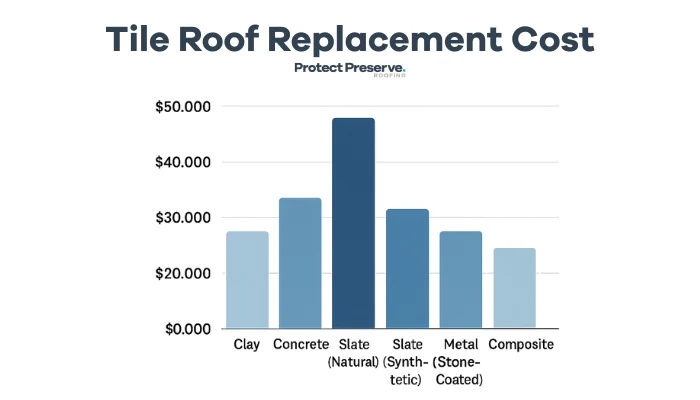
Below, you’ll find a complete breakdown to help you understand what drives pricing and how to plan your budget confidently:
| Roof Type | Average Cost per Square Foot | Estimated Total (2,000 sq ft roof) | Average Lifespan |
| Clay Tile Roof | $10 – $18 | $20,000 – $36,000 | 50–100 years |
| Concrete Tile Roof | $8 – $14 | $16,000 – $28,000 | 30–50 years |
| Slate Tile Roof (Natural) | $15 – $30 | $30,000 – $60,000 | 75–100 years |
| Slate Tile Roof (Synthetic) | $10 – $16 | $20,000 – $32,000 | 40–50 years |
| Metal Tile Roof (Stone-Coated) | $9 – $15 | $18,000 – $30,000 | 40–70 years |
| Composite Tile Roof | $8 – $12 | $16,000 – $24,000 | 30–50 years |
Tip: In Central Florida, most homeowners choose concrete or metal tile systems for their balance of cost, wind resistance, and lifespan.

What factors influence the final cost?
Understanding what drives your total cost helps you make informed decisions and avoid unexpected expenses later.
| Cost Factor | Description | Typical Range |
| Roof Size | Larger roofs require more materials and labor | $7,000 – $40,000+ |
| Tile Type | Premium tiles like clay or slate increase cost due to weight and material expense | $8 – $30 per sq ft |
| Roof Pitch & Access | Steeper or complex roofs need extra safety measures and time | +10–20% on labor |
| Underlayment Replacement | Essential for waterproofing — usually replaced during reroof | $2,000 – $5,000 |
| Decking Repairs | If wood decking is damaged by moisture or rot, replacement is required | $1,000 – $3,000 |
| Flashing & Ventilation Upgrades | New flashing, ridge vents, and accessories ensure code compliance | $500 – $2,000 |
| Permit & Inspection Fees | Required by Florida Building Code and local municipalities | $300 – $800 |
| Disposal & Cleanup | Safe removal and disposal of old materials | $500 – $1,000 |
Florida-specific considerations
Florida’s unique weather conditions make proper tile installation and materials especially important:
- Hurricane Resistance: All tiles must meet Florida Building Code wind uplift standards (175+ mph zones in coastal counties).
- Heat and Humidity: High-quality underlayment and ridge ventilation reduce trapped moisture and prevent mold.
- Insurance Documentation: Homeowners often request construction-based inspection reports to document roof age and compliance.
Cost of underlayment replacement in tile roofs
Most leaks start not from the tiles themselves but from aging underlayment. Replacing it is crucial when your roof is between 20–25 years old, even if the tiles still look fine.
| Underlayment Type | Material Description | Average Cost (per sq ft) | Lifespan |
| Felt (Traditional) | Asphalt-based, budget option | $0.50 – $1.00 | 10–15 years |
| Synthetic | Lightweight, tear-resistant membrane | $1.00 – $1.50 | 20–25 years |
| Self-Adhering (Peel & Stick) | High-performance waterproof barrier | $1.50 – $2.50 | 25–30 years |
Important: Never skip underlayment replacement reusing old material under new tiles often leads to early leaks and denied insurance claims. And know that the Florida average differs from other locations:
| Roof Material | Florida Average | U.S. Average | Why It Differs |
| Concrete Tile | $8 – $14 / sq ft | $6 – $11 / sq ft | Florida requires hurricane-rated materials and permits. |
| Clay Tile | $10 – $18 / sq ft | $8 – $15 / sq ft | Higher demand and stricter code compliance in Florida. |
| Metal Tile | $9 – $15 / sq ft | $8 – $13 / sq ft | Coastal regions require corrosion-resistant coatings. |
How to save without compromising quality
- Choose concrete or metal tiles for the best balance of longevity and cost.
- Use a licensed Florida contractor, improper installation can void manufacturer warranties.
- Ask about financing options if your insurance doesn’t cover replacement.
- Get an inspection before storm season to avoid emergency pricing.
At Protect Preserve Roofing, we help homeowners get accurate, code-compliant estimates with clear cost breakdowns and transparent service from start to finish. Ready for your detailed roof replacement estimate? Request your quote today at protectpreserveroofing.com/build-price-form.
Comparing Roof Tile Replacement Materials
Here’s a clear comparison of the most common roof tile replacement materials, so you can decide which fits your home, lifestyle and budget best:
| Material Type | Average Cost (per sq ft) | Lifespan | Maintenance Level | Aesthetic Appeal | Best For |
| Clay Tile | $10 – $18 | 50–100 years | Low | Timeless, Mediterranean look | Coastal or luxury homes |
| Concrete Tile | $8 – $14 | 30–50 years | Moderate | Flexible styles and colors | Modern family homes |
| Slate Tile (Natural) | $15 – $30 | 75–100+ years | Moderate | Elegant, high-end design | Historic or luxury homes |
| Slate Tile (Synthetic) | $10 – $16 | 40–50 years | Low | Mimics natural slate at lower weight | Homes with structural limits |
| Metal Tile (Stone-Coated) | $9 – $15 | 40–70 years | Very Low | Modern look, mimics clay or shingles | Coastal or hurricane-prone regions |
| Composite Tile | $8 – $12 | 30–50 years | Low | Wide range of textures and finishes | Eco-conscious homeowners |
| Solar Tile | $20 – $30 | 25–30 years | Low | Sleek, tech-forward appearance | Energy-efficient new builds |
So, let’s see a performance overview:
- Durability and climate resistance
- Clay and metal tiles perform best under Florida’s tough climate; both withstand high winds and resist fading from the sun.
- Concrete tiles are durable but can absorb moisture over time if not properly sealed.
- Slate offers the longest lifespan, but its weight can require extra structural reinforcement.
- Tip: If you live in a hurricane-prone area, stone-coated metal is one of the best long-term investments due to its strength-to-weight ratio.
- Energy efficiency
- Clay, concrete and metal tiles naturally reflect heat, keeping homes cooler and reducing AC use.
- Solar tiles go further by producing renewable energy directly from sunlight.
- Composite tiles can be combined with cool roof coatings for better energy performance.
- Maintenance and repair
- Clay and slate are long-lasting but can crack under heavy impact.
- Metal and composite options are easier to maintain and replace when needed.
- Always have professional inspections every 2–3 years to ensure underlayment integrity, especially in humid climates.
- Curb appeal and property value: Tile roofs are one of the strongest home-value boosters in Florida’s real estate market.
- Clay and slate offer a classic, high-end appearance that can increase resale value by 5–10%.
- Metal tiles give a modern yet traditional look, ideal for homeowners wanting style without high maintenance.
- Concrete and composite provide flexibility in color and texture, perfect for HOA-regulated neighborhoods.
Tile Roof Underlayment Replacement
Underlayment is a protective waterproof layer installed directly over the roof deck and beneath your tiles. Its main job is to prevent moisture from reaching the wood structure of your roof.
Over time, even the strongest tiles can outlast the underlayment beneath them. Once this hidden layer deteriorates, leaks, wood rot and mold start developing. Here’s why timely underlayment replacement is so critical:
| Reason | Impact | Result if Ignored |
| Moisture Protection | Prevents rainwater from penetrating wood decking | Hidden leaks and ceiling stains |
| Heat Resistance | Reflects radiant heat, keeping your attic cooler | Increased energy bills |
| Wind Uplift Prevention | Keeps tiles securely in place during hurricanes | Tile displacement and structural exposure |
| Mold & Mildew Defense | Reduces trapped humidity under tiles | Rot, odor and insulation damage |
| Code Compliance | Meets Florida Building Code standards | Failed inspections or insurance denial |
Fact: In Florida, underlayment failure is responsible for over 70% of roof leak repairs, according to statewide roofing contractor data (2024).
Signs your roof underlayment needs replacement
Even if your tiles appear intact, these are warning signs that your underlayment might be compromised:
- Repeated leaks after heavy rain.
- Stains on ceilings or walls.
- Musty odors in the attic.
- Cracked or slipping tiles.
- Roof over 20 years old.
Best types of underlayment for florida roofs
Not all underlayments are created equal. The harsh Florida sun, humidity and storm cycles demand materials that resist heat, tearing, and moisture absorption.
| Type | Material Description | Average Lifespan | Florida Suitability | Cost (per sq ft) |
| Felt (Asphalt-Saturated) | Traditional, budget-friendly | 10–15 years | Moderate | $0.50 – $1.00 |
| Synthetic (Polypropylene or Polyester) | Lightweight, tear-resistant | 20–25 years | Excellent | $1.00 – $1.50 |
| Self-Adhering (Peel & Stick) | Fully adhesive, waterproof | 25–30 years | Ideal | $1.50 – $2.50 |
How underlayment replacement works
Here’s how professionals like Protect Preserve Roofing handle underlayment replacement:
- Tile removal: Old tiles are carefully lifted and stored if reusable.
- Underlayment inspection: The old layer is removed, exposing the wood decking beneath.
- Deck repairs: Damaged wood is replaced or reinforced.
- New underlayment installation: A premium synthetic or self-adhering membrane is applied.
- Tile reinstallation: Tiles are placed back and secured with approved fasteners or adhesive foam.
- Final waterproofing check: Edges, valleys and flashing are sealed for watertight protection.
This process not only restores your roof’s performance but also extends its total lifespan by decades.
Underlayment replacement costs in Florida
| Roof Size (sq ft) | Estimated Cost Range |
| 1,500 sq ft | $3,000 – $4,500 |
| 2,000 sq ft | $4,000 – $6,000 |
| 2,500 sq ft | $5,000 – $7,500 |
| 3,000 sq ft | $6,000 – $9,000 |
And don’t forget how often the underlayment should be replaced: On average, every 20–25 years, even if the roof tiles still look fine. If your roof was installed before 2005 (when Florida code updates tightened standards), an inspection is strongly recommended.
How Long Does a Tile Roof Last in Florida’s Climate?
Let’s break down what homeowners in Florida should expect from their tile roofs and how to make them last as long as possible:
| Tile Type | Average Lifespan (National) | Average Lifespan in Florida | Why It Differs |
| Clay Tile | 75–100 years | 50–70 years | Intense UV exposure and humidity shorten material life. |
| Concrete Tile | 50 years | 30–40 years | Moisture absorption and salt air accelerate wear. |
| Slate Tile (Natural) | 100+ years | 75–90 years | Excellent longevity, but installation quality is key. |
| Synthetic Slate | 50 years | 40–50 years | Performs well when paired with high-grade underlayment. |
| Metal Tile (Stone-Coated) | 70 years | 40–60 years | Withstands hurricanes but may corrode near coastlines. |
| Composite Tile | 40–50 years | 30–45 years | UV exposure slightly reduces its lifespan. |
Why Florida’s climate affects tile roof lifespan
Florida roofs endure year-round stress that few other states experience. Here’s how the local climate impacts performance:
- High heat and UV rays: Constant exposure causes expansion and contraction, and surface fading, especially for concrete and composite tiles.
- Humidity and salt air: In coastal areas, salt deposits can erode metal fasteners and underlayment adhesives faster.
- Heavy rain and storms: Torrential downpours can exploit even the smallest underlayment weakness, leading to leaks or wood rot.
- Hurricane-force winds: Even properly secured tiles may shift under severe wind loads if the system isn’t installed to Florida Building Code standards.
- Algae and mold growth: Warm, moist air encourages microbial growth that can discolor tiles and degrade sealants over time.
Warning signs
- Multiple leaks appear in different areas.
- Frequent repairs or loose tiles after each storm.
- Underlayment over 20 years old.
- Faded, brittle, or cracked tiles.
- Rising energy bills from poor insulation.
If your roof is showing more than one of these symptoms, it’s time for a construction-based roof inspection to determine whether a full or partial replacement makes sense.
Is your tile roof over 20 years old? Schedule a professional roof inspection today to check your underlayment, tiles, and flashing before small issues turn costly. Request your quote at protectpreserveroofing.com/build-price-form.
Maintenance Tips
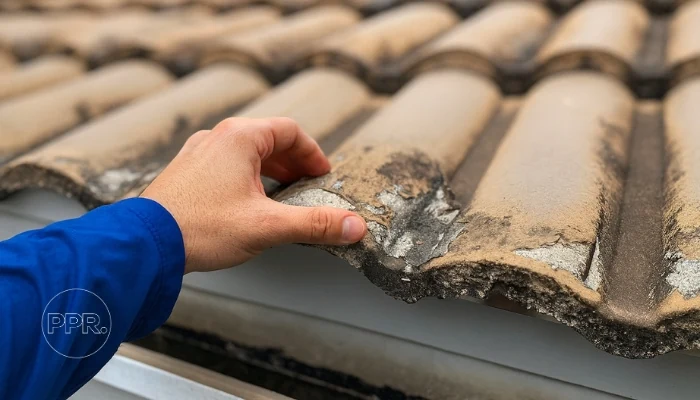
Here’s how homeowners can protect their investment, avoid premature wear and keep their roofs looking as good as new.
Schedule regular roof inspections
Even with a new installation, inspections are key to early detection of small issues.
Tip: Protect Preserve Roofing offers detailed construction-based inspections using drone imaging and moisture scanning for precise diagnostics without walking on your tiles.
| Frequency | What to Check | Why It Matters |
| Every 2–3 years | Cracked or shifted tiles, flashing integrity, valley debris | Identifies early damage before it spreads |
| After major storms | Broken tiles, water intrusion or debris buildup | Prevents leaks and insurance complications |
Keep gutters and valleys clear
Florida’s heavy rainfall means clogged gutters can quickly lead to standing water and roof leaks.
- Clean gutters and roof valleys at least twice a year (spring and fall).
- Trim back nearby trees to minimize leaf buildup and reduce the risk of branch damage.
Even a few leaves blocking a valley can redirect rainwater under your tiles, leading to expensive repairs.
Clean your roof the right way
Tile roofs can attract algae, mildew and dirt buildup, especially in humid Central Florida. Keeping it clean is essential, but the method matters.
- Use low-pressure cleaning (under 1,200 PSI) to avoid cracking or stripping tiles.
- Avoid harsh chemicals that can damage coatings or kill surrounding plants.
- For stubborn stains, hire a roof cleaning professional who specializes in tile-safe methods.
Monitor the underlayment over time
Even though your tiles might last 50+ years, the underlayment beneath them won’t.
- Inspect it every 20–25 years (or sooner if leaks occur).
- Look for signs of degradation like ceiling stains or musty attic odors.
- If the underlayment starts failing, it can damage the wood decking, turning a small fix into a full replacement.
Watch for tile damage after hurricanes or heavy winds
Florida’s weather is unpredictable. After any tropical storm or hurricane, take a moment to visually check your roof from the ground:
- Look for missing, displaced, or cracked tiles.
- Check for granule accumulation in gutters, a sign of wear.
- If you suspect damage, don’t climb the roof, call a licensed roofer for a safety inspection.
Maintain flashing and sealants
Flashing, the metal or membrane around vents, chimneys and roof edges, protects vulnerable joints from leaks.
- Have flashing inspected every 5–7 years.
- Reseal gaps using UV-resistant, roofing-grade sealant.
- Ensure caulking around roof penetrations remain flexible and intact.
Skipping this step is one of the most common causes of leaks in Florida homes.
Avoid walking on the roof
Tile roofs are durable but not meant for frequent foot traffic. Walking on them improperly can crack tiles or loosen their alignment. If access is necessary (for example, to clean solar panels or skylights):
- Wear soft-soled shoes.
- Step near the bottom edges of tiles, not the middle.
- When possible, let professionals handle the job.
Keep records for insurance and warranty
Maintain a roof maintenance log that includes:
- Installation date and warranty documents.
- Inspection reports and cleaning receipts.
- Photos after storms or maintenance visits.
Schedule preventive maintenance
Consider a preventive maintenance plan for repair ou replacements with a certified roofing company. At Protect Preserve Roofing, we offer:
- Scheduled roof inspections.
- Valley cleaning and flashing checks.
- Detailed photo documentation.
- Priority service after major storms.
Quick reminder: Your new tile roof is built to last, but Florida’s intense weather doesn’t forgive neglect. A few simple habits can protect your investment for decades, keeping your home cooler, safer and more beautiful.
Environmental and Energy Benefits
Here’s how this classic roofing material delivers modern sustainability advantages.
Natural thermal regulation
Tile roofs naturally create a ventilated air gap between the tiles and the roof deck.
That small space acts as insulation, reducing heat transfer into your attic and lowering your home’s cooling load.
| Feature | How It Helps | Result |
| Airflow Channels | Allow heat to escape under the tiles | Cooler attic and lower AC use |
| High Thermal Mass | Absorbs and slowly releases heat | Stabilizes indoor temperature |
| Reflective Surface Options | Light-colored or reflective tiles reduce heat absorption | 10–20% lower cooling costs |
Long lifespan = less waste
A tile roof’s durability means fewer replacements and less material waste over time.
Most asphalt shingle roofs in Florida last 15–25 years, while clay or concrete tile roofs can exceed 50 years with proper maintenance. Let’s take a look:
| Roof Type | Average Lifespan | Estimated Lifetime Waste |
| Asphalt Shingles | 20 years | ~6,000 lbs (per roof) |
| Concrete Tile | 40–50 years | ~2,500 lbs |
| Clay Tile | 50–75 years | ~1,500 lbs |
In other words, a tile roof could last two to three generations, while other materials are replaced multiple times.
Made from sustainable, recyclable materials
Tile roofing is made primarily from natural resources like clay, sand, cement and water, all of which are recyclable and non-toxic. When a tile roof eventually reaches the end of its lifespan, the materials can be recycled into new tiles, pavers, or aggregate, minimizing environmental impact.
Energy efficiency and utility savings
Depending on color, profile, and underlayment type, homeowners can expect:
- 5–10°F cooler attic temperatures.
- Up to 20% savings on summer cooling costs.
- Reduced strain on HVAC systems, extending their lifespan.
Reflective and “cool roof” tile options
Modern tile manufacturers offer “cool roof” certified tiles designed to reflect more sunlight and absorb less heat. These tiles are engineered to meet ENERGY STAR® and Cool Roof Rating Council (CRRC) standards.
| Tile Type | Solar Reflectance | Thermal Emittance | Energy Efficiency Rating |
| Standard Concrete Tile | 0.25–0.35 | 0.85 | Moderate |
| Reflective Concrete Tile | 0.40–0.55 | 0.90 | High |
| Clay Tile (Light-Colored) | 0.45–0.60 | 0.90 | Very High |
Superior resistance to Florida’s climate
Environmental benefits also mean reduced environmental costs, fewer replacements, repairs, and wasted resources. Tile roofs naturally resist:
- UV degradation.
- Salt corrosion in coastal zones.
- Fire and wind damage.
- Algae and mold growth (especially when glazed or coated).
Compatible with solar technology
Tile roofs pair exceptionally well with solar panel systems. The structure and spacing allow installers to mount panels without compromising waterproofing. Homeowners can reduce grid dependency while maintaining their roof’s natural ventilation and protection.
Many Florida homeowners find that combining solar with a reflective tile roof delivers the best ROI in long-term energy savings.
Enhancing property value and sustainability
Beyond savings, eco-conscious buyers increasingly value homes with energy-efficient and sustainable features. A tile roof can:
- Boost resale value by 5–10%
- Qualify for energy-efficiency incentives or insurance discounts (depending on the county).
- Reduce insurance risks thanks to better wind and fire resistance.
Quick reminder: A tile roof isn’t just a beautiful upgrade, it’s an eco-friendly investment that pays off in energy savings, durability, and long-term sustainability.
Conclusion: Expert Tile Roof Replacement You Can Trust
Your roof does more than shield your home from Florida’s unpredictable weather, it safeguards everything and everyone beneath it. When it’s time for a tile roof replacement, choosing the right contractor makes all the difference between a quick fix and a decades-long investment.
At Protect Preserve Roofing, we treat every project like it’s our own home. We don’t just replace tiles, we rebuild trust and peace of mind, one roof at a time. Every installation includes:
- Code-compliant underlayment systems for superior waterproofing.
- Hurricane-rated fastening for maximum wind resistance.
- Detailed inspections before, during, and after completion.
- Clear, transparent estimates formatted for insurer compatibility.
Whether you’re facing storm damage, aging tiles, or just want a long-lasting, energy-efficient upgrade, we are here to help.
Don’t wait until the next storm season to take action. A small issue today can become a costly repair tomorrow and your roof deserves better.
Schedule your professional inspection now or learn more about our tile roof services.
When it matters, we deliver durability, beauty and integrity that last for decades.
How do I know if my tile roof needs to be replaced?
You may need a replacement if you notice cracked or missing tiles, persistent leaks, sagging areas, or mold growth in your attic. In Florida, tile roofs also deteriorate faster due to heat and humidity, so any roof over 25–30 years old should be professionally inspected.
How long does a tile roof last in Florida?
Clay tile roofs can last 50–100 years, while concrete tiles usually last 30–50 years. However, the underlayment beneath the tiles typically needs replacement every 20–25 years due to moisture exposure and heat damage.
How long does the replacement process take?
Most residential tile roof replacements take 7–10 days, depending on weather, roof size, and complexity. Larger or multi-level homes may require additional time for safe tile removal and installation.
Do tile roofs require a lot of maintenance?
Tile roofs require minimal maintenance — mostly cleaning debris from valleys, gutters, and checking for cracked tiles once or twice a year. Proper care can extend your roof’s lifespan by decades.



Leave a Reply