





What are the most common home roof repair issues? This question hits hard when a storm passes and water stains start forming on your ceiling, often caused by flashing failure, worn shingles or clogged gutters.
Many of these problems are silent at first. You don’t see the damage, until you do. So, you ask : “Would I recognize the signs early enough to fix it before my roof collapses?”
Well, in this guide we’ll break down the top roofing issues homeowners face, explain why they happen, how to spot them early and most importantly what to do next to avoid costly surprises.
Don’t wait until “just a small leak” becomes a full-blown renovation. Let’s walk through the real issues and how to get ahead of them.
Table of contents
What Are the Most Common Home Roof Repair Issues?
According to the National Roofing Contractors Association, over 70% of roofing issues are due to poor installation or lack of maintenance and those problems don’t pick favorites; they hit old homes, new builds, metal roofs and even flat roofs alike.
Here are the top issues homeowners run into:
- Leaks and water intrusion: Usually caused by broken shingles, damaged flashing, or clogged gutters. These leaks often show up after heavy rain, but by then, insulation and drywall may already be soaked.
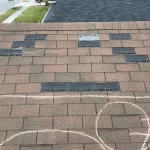
- Missing, cracked or curling shingles: Shingles wear out over time. Sunlight, wind and simple aging break them down. Once gaps appear, water follows.
- Flashing failures: The thin metal around chimneys, skylights or vents. If it shifts or corrodes, water sneaks in right where it hurts.
- Pooling water on flat roofs: Even a tiny depression can lead to standing water. Left unchecked, it causes membrane breakdown and leaks straight through the ceiling.
- Punctures or damage from debris: Tree branches, satellite installations or foot traffic… they all leave a mark. And if there’s no regular inspection, those marks become entry points for water.
- Sagging areas or structural dips: This often points to long-term moisture damage underneath, especially dangerous if ignored.
Why These Issues Keep Happening?
Roof problems don’t show up out of nowhere. There’s always a reason, usually, more than one. Let’s look at what’s behind those common repair issues.
Age wears everything down
Roof materials don’t last forever. Over time, heat cracks, wind lifts and rain soaks. As the years pass, sealants dry out, nails loosen, and materials weaken. So, these are the signs of age include:
- Discoloration.
- Granule loss on shingles.
- Brittleness or curling.
- Small dips in the roof line.
Weather doesn’t ask permission
Sun bakes… wind lifts… hail cracks… rain sneaks in… and if you live in a place where seasons shift quickly (like our dear Florida), your roof goes through temperature swings that expand and contract the materials over and over. These are some of the worst offenders:
- Summer UV exposure: dries out shingles and membranes.
- Hurricanes or strong storms: rip off layers or shift flashing.
- Freezing temps: ice dams block water, forcing it under shingles.
Poor workmanship = problems waiting to happen
Even new roofs fail when installed the wrong way. Bad angles, rushed flashing work or cheap underlayment can all lead to leaks within months. So, how do you know if your roof had poor workmanship?
- You’ve had repeat leaks in the same spot.
- Shingles don’t line up properly.
- Flashing looks crooked or loose.
- Water pools where it shouldn’t.
Important reminder from Protect Preserve Roofing: Most insurance companies won’t cover damage if they decide it was caused by age, poor installation or neglect. That’s why spotting these causes early gives you a leg up.
The Basic Problem: Leaks and Water Damage
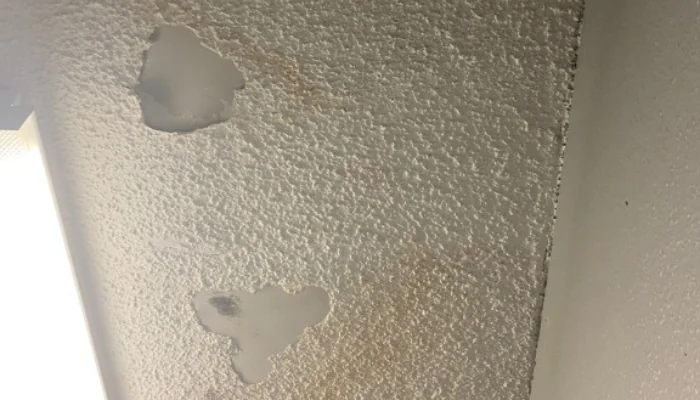
Small, silent and sneaky, roof leaks are the top cause of “what are the most common home roof repair issues” and most of them don’t start with a hole you can see. Let’s take a closer look.
Where roof leaks start
They usually hit the same trouble spots over and over:
- Around chimneys and skylights: Flashing shifts or corrodes. Water gets behind the metal and trickles in.
- At roof valleys: These dips collect water and if the sealing fails, water finds its way under the shingles.
- Under cracked or missing shingles: One small gap is all it takes for rain to slide underneath and soak the layers below.
- Near clogged gutters: When gutters overflow, water doesn’t drain. It backs up under the edges of the roof instead.
- Flat roof surfaces: Water can pool for days on flat roofs. That pressure eventually breaks through.
Once water enters your home, it damages:
- Insulation: which loses efficiency when wet.
- Ceilings and drywall: causing stains, bubbles and collapse.
- Framing wood: weakening the structure over time.
- Electrical wiring: which can spark serious hazards.
Now, you need to act:
- Document the damage (photos, dates).
- Call a local professional roofing company with emergency tarp service.
- Never try to patch with nails or screws, especially not tarps. That can void insurance coverage and create worse leaks.
- Use sandbags or temporary weighted coverings until a licensed team steps in.
Quick reminder from Protect Preserve Roofing: Leaks are like slow-moving wrecking balls. They don’t crash in, they soak, rot and quietly destroy until it’s too late. Always pay attention to the signs and act fast.
Missing, Cracked or Warped Shingles: How to Spot Early Signs
Shingles are the first line of defense, but they’re also the first to wear out. Wind, sun and rain work together like a slow punch; when they go, trouble comes in fast.

Most shingles have a lifespan of 15 to 30 years. However, they don’t always make it that far. Why?
- Improper installation: if they weren’t nailed or sealed correctly, they loosen early.
- UV exposure: constant sun makes shingles brittle and dry.
- High winds: gusts can lift corners, exposing what’s underneath.
- Ice and snow: freeze-thaw cycles crack weak spots.
- Poor attic ventilation: overheats the roof from the inside out.
Once a shingle loses its grip or starts to curl, it becomes a direct entry point for water. That’s why it’s important to look for, from the driveway or with binoculars:
- Shingles that look curled at the edges.
- Color inconsistencies (dark patches where granules wore off).
- Shingles that look lifted or out of place.
- A shingle that’s flat-out missing – yes, that’s bad.
- Exposed nails or underlayment showing.
Why shouldn’t you ignore it?
Even a single cracked or missing shingle can open the door to leaks and here’s the catch: by the time you notice a water stain indoors, the leak has probably been going for weeks. A few things that can happen next:
- Insulation gets soaked and stops working.
- Mold starts to grow — often in hidden areas.
- Plywood under the shingles begins to rot.
- Costs jump from a $300 fix to a $3,000 replacement.
So, these are the things you can do to protect your roof:
- Check your roof after storms.
- Snap clear photos of anything odd-looking.
- Call a roofing company for a no-obligation inspection.
- Avoid DIY. Stepping on damaged shingles can break more of them.
- Don’t tarp it with nails, unless your pitch is extreme and a professional tells you it’s the only safe option.
Quick reminder from Protect Preserve Roofing: One shingle gone isn’t the end of the world, but ignore it, and you might have a whole roof problem knocking on your door. Take care of your roof.
Flashing Failures: Chimneys, Skylights and Wall Junctions
Flashing is usually made of aluminum or galvanized steel. It’s shaped and layered to keep water moving downhill instead of sneaking behind your siding or under your shingles. You’ll find it around:
- Chimneys.
- Skylights.
- Vent pipes.
- Dormers.
- Roof valleys.
- Where a roof meets a wall.
Without flashing, those areas become water traps. With water, the problems continue like this:
- Rust or corrosion: Over time, metal flashing oxidizes.
- Loose or lifted flashing: Wind, temperature shifts or poor installation can cause flashing to shift out of place.
- Cracks in sealant: Most flashing is sealed with roofing cement or caulk. That dries out and cracks, leaving gaps behind.
- Improper layering: If it was installed out of sequence or without overlap, water runs right underneath.
How to handle it
- Don’t caulk it yourself, temporary caulking only hides the problem.
- Avoid nailing tarps near flashing, that can cause more separation.
- Get a pro inspection, especially if the flashing is original to the house.
- Protect Preserve Roofing can check flashing during standard roof inspections fast, clean and documented (a plus for insurance purposes).
Quick reminder: Flashing is like the trim around your windows, most people don’t notice it, until it starts leaking into the living room. Follow the instructions, pay attention to the signs, and call the professionals to protect your home.
Flat Roof Repair Issues: What Homeowners Need to Watch For
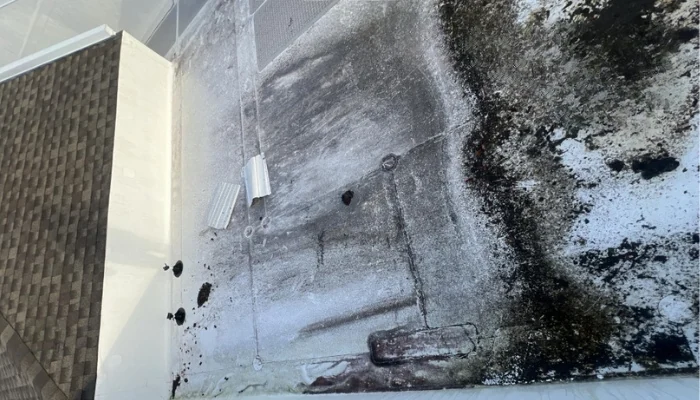
Flat roofs aren’t completely flat; they usually have a slight slope for drainage. That’s why they are on the list of “what are the most common home roof repair issues”. When drains clog or membranes crack, water pools. That standing water is heavy, and it finds weaknesses fast.
Most flat roofs use one of these materials:
- EPDM rubber.
- TPO or PVC membranes.
- Modified bitumen.
- Built-up roofing (BUR).
Each has benefits, but all require precise installation and frequent inspections to avoid trouble.
Common flat roof issues
- Ponding water: Water that sits for more than 48 hours wears down the membrane. It adds weight and increases leak risk.
- Membrane shrinkage: Materials like EPDM can shrink over time, pulling away from edges and flashing.
- Seam failure: Flat roofs often use seams between sheets. If the seal breaks, water slips right in.
- Blisters and bubbles: Air pockets form under the membrane when moisture gets trapped, a sure sign of a bigger issue brewing underneath.
- Cracks from foot traffic: HVAC techs, cable installers, or even homeowners can cause damage just by walking on it.
If these problems are detected, action is needed:
- Call a licensed roofer with flat roof experience.
- Ask for a moisture scan or infrared inspection if leaks are suspected.
- Schedule seasonal cleanings, especially after heavy storms or snow.
- Consider a protective coating if your roof is aging but not yet damaged.
Quick reminder from Protect Preserve Roofing: Flat roofs aren’t bad, they’re just high maintenance and if you ignore them, they get expensive fast.
Metal Roof Problems: Expansion, Rust and Fastener Failures
Metal roofs are known for strength, energy efficiency and long lifespan. Therefore, they’re not invincible. Like any roof system, they have their quirks and when something goes wrong, it usually involves movement, moisture or missing screws.
If you’ve got a metal roof on your home, garage or addition, here’s what you need to keep an eye on:
- Reddish-brown streaks along seams or fasteners.
- Raised or missing screws visible from the ground.
- Visible warping or waves across the roof surface.
- Leaks after temperature swings, a big clue that expansion is working against you.
What not to do
- Don’t repaint rust without removing it fully.
- Don’t tighten fasteners if you’re not sure about the torque, overtightening causes worse leaks.
- Don’t assume metal means “maintenance-free”.
You still need to take action, but what you need to do is:
- Schedule annual fastener inspections.
- Ask about sealant refresh every 5–7 years.
- Trim trees to keep debris off the roof.
- For rust: lightly sand, apply rust inhibitor, then repaint with roof-grade material.
- For fastener issues: call a licensed pro, like Protect Preserve Roofing specializes in metal system diagnostics.
Weather-Worn Roofs: How Sun, Wind and Storms Break Them Down
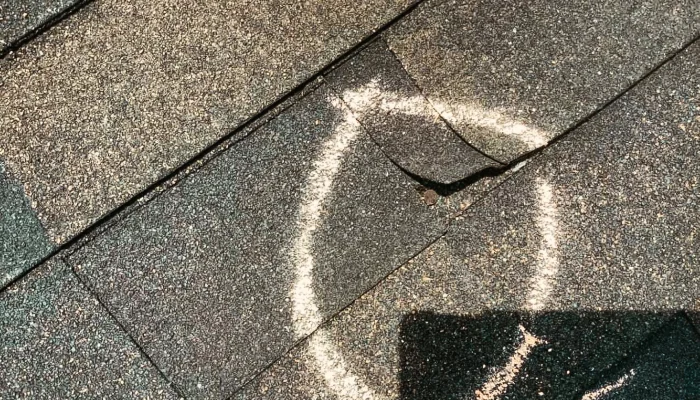
Your roof is built to handle the weather, but after years of beating sun, pounding rain and wild wind, even the toughest material starts to wear down. And when that happens, problems show up fast. Let’s break down how each type of weather quietly tears your roof apart.
Sun: the silent destroyer
You can’t see it happening, but UV rays are always working.
- Shingles dry out and crack.
- Roof sealants break down.
- Metal expands and contracts daily.
- Granules loosen and wash away.
This is especially bad in places like Texas, Arizona and Florida. Even newer roofs can age quickly under year-round sun.
Wind: the shingle lifter
Strong wind doesn’t just knock things down; it gets under the edges.
- Lifts shingles so water can sneak in underneath.
- Tears off flashing around vents and chimneys.
- Drives debris like branches into the roof.
- Breaks the seal that holds shingles in place.
It’s common to lose shingles during a storm and not realize it until water starts dripping weeks later.
Rain: the roof tester
Rain itself isn’t the problem. However, when there’s a flaw, cracked flashing, missing shingles, or sagging spots… rain finds it.
- Exposes poor drainage on flat roofs.
- Worsens leaks already in progress.
- Soaks underlayment when barriers are missing.
- Leads to mold, rot and damaged insulation.
Rain after a long dry spell is especially dangerous. It hits fast and weak spots collapse under the pressure.
Snow and ice: the hidden weight
In cold states, snow builds up and gets heavy.
- Creates ice dams at roof edges.
- Bends gutters and flashing.
- Adds weight your roof might not be built for.
- Causes freeze-thaw cycles that crack shingles and concrete tiles.
You may not see the damage until spring… when water stains start to bloom on your ceiling.
Storms: the full package
Severe storms – whether hurricanes, hailstorms or tornado remnants – do it all:
- Blow off shingles.
- Shatter tiles.
- Bend metal panels.
- Knock trees and limbs straight into the roof.
Even if it “looks fine” from the ground, storm damage often hides until the next heavy rain.
Pro tip from Protect Preserve Roofing: Don’t wait for leaks to take action, schedule inspections after any major storm or weather event, document damage before talking to your insurance and use tarping services that don’t use nails or screws.
Preventive Maintenance Tips
It’s time to know that a few smart, regular moves can keep most roof problems from ever starting. Here’s how to stay ahead:
- Clean your gutters: Clogged gutters are one of the top causes of roof leaks. Clean them twice a year, spring and fall.
- Walk the perimeter after every storm: After a windy or rainy day,look for shingles on the ground. If the edges look lifted, take pictures of anything weird. It might save your insurance claim later.
- Trim overhanging tree limbs: Keep limbs at least 6 feet away from the roof, avoid moss buildup in shaded areas and limit rodent access.
- Check attic ventilation: Proper ventilation keeps shingles cooler and your AC bill lower.
- Schedule a yearly pro inspection: You wouldn’t skip a car oil change. Same deal here. A licensed roofing company can check flashing and seals, test moisture levels and spot wear before it spreads.
Pro tip from Protect Preserve Roofing: Don’t DIY with tarps and screws. We’ve seen it too many times. A small leak and someone nails a tarp straight into the roof… that causes worse leaks. Always use weighted tarps or safe, approved methods.
Conclusion: How to Know When It’s Time to Call a Roofing Repair Pro
Roof damage isn’t always loud or obvious. It creeps in and delaying repairs only increases the risk and cost. So, why call a local roofing expert?
A qualified roofing company doesn’t just fix the surface. They:
- Diagnose what’s really causing the issue.
- Handle temporary protection (without voiding insurance).
- Give honest timelines and clear repair estimates.
- Help you with insurance documentation if needed.
And here’s where Protect Preserve Roofing makes a difference:
- Fast response times.
- Emergency tarp installation without nails or screws.
- Clear, detailed inspection reports.
- Respect for your home and peace of mind.
- Real pricing, no mystery quotes or pushy sales.
You’ve already got enough to deal with, so don’t let a roof issue add to the list. One call and the leak is stopped, the risk is handled, and your home is back under control. You can also get a quick estimate to prevent or repair damage, or even schedule a free visit to your roof.
Waiting can cost you thousands. Acting now can save your home and your budget.
Frequently Asked Questions (FAQ)
What are the signs that my roof needs repair?
Water stains on ceilings, missing or cracked shingles, sagging areas, musty attic smells, or visible damage after storms are strong signs it’s time to call a roofer.
How often should I get my roof inspected?
At least once a year, preferably in spring or fall. You should also inspect after major storms, especially if you suspect hail, strong wind, or heavy debris hit your roof.
Are small roof leaks really a big deal?
Yes. Even a tiny leak can lead to mold, rotten wood, insulation damage, and expensive repairs — all of which insurance may not cover if it’s deemed neglect.
Can I do temporary roof repairs myself?
Not recommended. Using nails or screws on tarps can cause bigger damage and void insurance coverage. Stick to weighted tarps or call a licensed roofing company.


Leave a Reply