



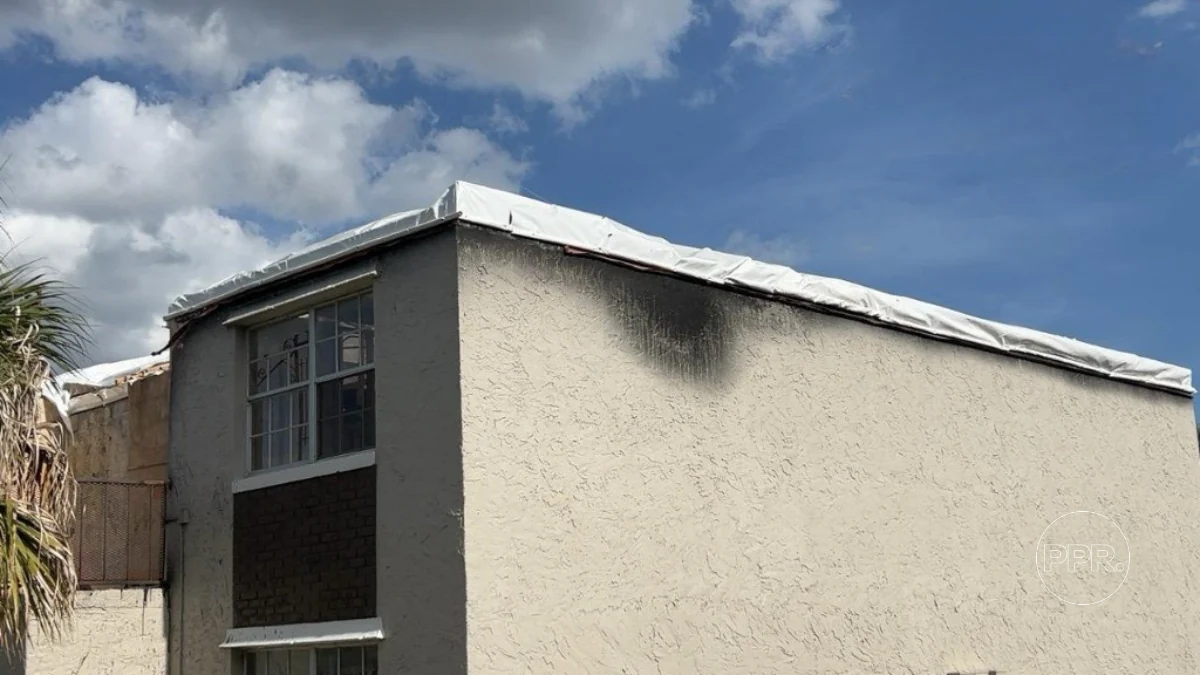


Asking what is the most fire resistant roofing material isn’t just a smart move, it’s essential. Fires don’t knock before arriving and your roof is your first line of defense.
In the U.S., wildfires destroy thousands of homes annually, according to the National Interagency Fire Center because homes are at high or extreme risk of wildfire damage. Most people don’t realize how much their roof influences their overall fire protection.
So, how do you know which one is actually the safest? Should you trust clay tiles? What about metal?
To answer all these questions, we created this guide. Here you’ll learn which roofing types truly resist fire, what fire ratings (Class A, B, C) really mean and which ones matter for your home, when local codes require fire-resistant roofing and how Protect Preserve Roofing helps homeowners make the right, safe and lasting choice without wasting time or money.
You’ll leave here knowing exactly what to look for, what to avoid and who to trust to get it done right.
What Does “Fire Resistant Roofing” Actually Mean?
When we say a roof is “fire resistant“, we’re talking about its ability to slow down or stop the spread of fire. It doesn’t mean your house is fireproof. No roofing material can guarantee that. But some materials buy you precious time for firefighters to do their job and time that can save your home and your life.
Here’s how it works:
- Roofing materials are tested and rated by how well they resist catching fire or letting flames pass through.
- These tests follow standards created by safety agencies like ASTM International and Underwriters Laboratories (UL).
- Once tested, materials are placed into one of three classes: Class A, B, or C — with Class A being the best at resisting fire.
Bottom line: A fire-resistant roof won’t stop a fire by itself. However, it will help slow the damage and give you a fighting chance. And at Protect Preserve Roofing, we’ve worked with homeowners who avoided disaster thanks to the right material choice. It’s not luck, it’s planning.
Understanding Fire Ratings
In the U.S., roofs are rated into three fire classes: A, B and C. Each one tells you a lot about how your roof would handle flames, embers and heat exposure. Here’s a quick breakdown of what those fire ratings mean in practice:
| Class | Level of Fire Resistance | What It Withstands | Common Roofing Types | Best For |
| Class A | Highest | Severe exposure to fire. Won’t ignite easily or allow flames to spread. | Metal roofs, clay tiles, fiberglass-based asphalt shingles | Homes in wildfire-prone areas or where code demands the highest protection |
| Class B | Moderate | Resists surface fire spread but not as tough as Class A | Pressure-treated wood shingles | Homes in suburban or mid-risk fire zones |
| Class C | Basic | Only withstands light fire exposure. May burn or spread flames faster | Untreated wood shingles, organic felt asphalt, plastic roofing | Sheds, detached garages, and homes in low-risk zones |
Pro tip from Protect Preserve Roofing: If you’re living in a fire-prone region like Texas, California or Florida, Class A is a smart, safe choice. Some cities or insurance companies may even require it.
Why Fire-Resistant Roofs Matter for Homeowners
In wildfires and even house-to-house blazes, the roof is often the first part to catch. That’s because embers ride wind currents and settle on rooftops. If your roofing material isn’t fire-rated, or is poorly installed, it can ignite fast. From there, flames move inside your attic, down the walls and the rest… you can imagine.
Here’s another thing: insurance companies do pay attention. A home with a Class A fire-rated roof may get better coverage options or lower premiums in fire-prone zones. If you ever need to make a claim, having the right roof may make the difference between fast help and a denial.
Moreover, you don’t want to wait for smoke in the air to start thinking about fire resistance. Choosing a fire-rated roof gives you more than protection, it gives you confidence. You know your house can stand up better to emergencies and that’s something no “budget shingle” can match.
Little reminder: To have peace and security, you need to choose wisely. If you have any questions, contact Protect Preserve Roofing. We’re here to ensure the best for your home, your wallet, and your family.
Fire Rating vs Roofing Type: Quick Comparison Table
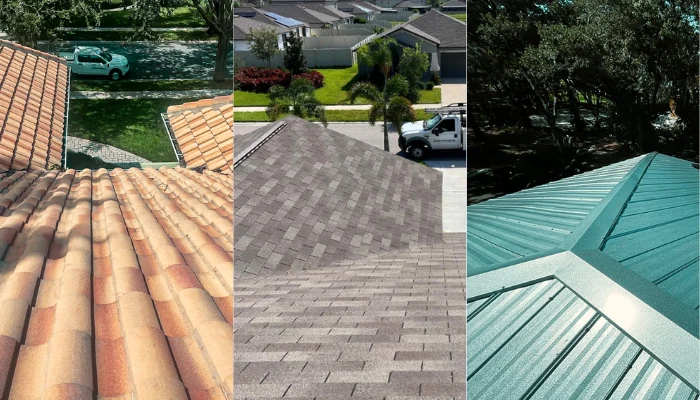
Not all roofing materials are created equal when it comes to fire resistance. Some can take a beating from heat and flames, others not so much. To make things easy, here’s a side-by-side table showing common roofing types and their usual fire ratings:
| Roofing Material | Typical Fire Rating |
| Asphalt Shingles | Class A (with proper underlayment) |
| Metal Roofing | Class A |
| Clay/Concrete Tiles | Class A |
| Wood Shingles/Shakes | Class B or C (Class A only if treated) |
| Synthetic/Composite Shingles | Class A |
| Foam Roofs (Spray Polyurethane) | Varies (often Class B or lower) |
| TPO, PVC, Polycarbonate | Varies |
With this quick comparison you can see that:
- Class A is the best rating. It means the material can withstand severe exposure to fire.
- Fire rating depends not just on the material, but also on the quality of installation, underlayment and local code requirements.
- Always verify the actual product rating. Not all asphalt or composite shingles are created equal.
What Is the Most Fire Resistant Roofing Material: Breakdown
Choosing the right fire-resistant roofing material depends on more than looks. Each type offers different levels of fire protection, cost and durability. Below, we break down the most common materials and how they respond to fire.

Are asphalt shingles fire resistant?
Yes, asphalt shingles can be fire resistant. However, only when combined with a proper fire-rated underlayment. Most manufacturers offer Class A-rated asphalt shingles, but they must be installed over a Class A-rated roof deck system to achieve that rating.
- What helps: Fiberglass base, fire retardants, correct underlayment.
- Limitations: High temperatures may degrade the material over time. Not ideal for wildfire-prone areas without professional installation.
Are metal roofs fire resistant?
Absolutely. Metal roofs are non-combustible, which means they won’t catch fire from embers or flames. Whether aluminum, copper or galvanized steel, metal roofing is usually rated Class A.
- Myth: “Steel melts easily.” False. Roof-grade steel has a high melting point and embers won’t reach that.
- Bonus: Reflects heat, resists spark and performs well in high-wind fire zones.
Is clay tile roofing fire resistant?
Yes, clay tiles are naturally fire resistant and often achieve a Class A rating without additives. Their heavy mass also adds thermal protection.
- Watch out: Tiles can crack under impact. Gaps between tiles must be sealed properly, or embers might sneak in.
- Important: Because of the weight, homes must have reinforced structural support.
Are concrete tiles fire safe?
Concrete tiles offer excellent fire protection due to their density and composition. They’re usually Class A rated.
- Strength: Great thermal mass and resistance.
- Caution: Improper installation or hairline cracks can reduce their fire-blocking power. Maintenance is key.
Are foam roofs fire resistant?
Foam roofs made of polyurethane or spray foam can be Class A rated, but only if the surface is properly sealed and coated with fire retardant layers.
- Fire risk: Exposed foam (uncoated) burns easily.
- Pro tip: Reapply protective coatings regularly to maintain the rating.
Is polycarbonate roofing fire resistant?
No. Polycarbonate roofing melts under high heat, making it unsuitable for fire-prone areas. It’s commonly used in gazebos, pergolas and patios – not for full residential roofing.
- Limitation: Not rated Class A. It can melt and drip, causing fire spread.
Is PVC roofing fire resistant?
PVC roofing (used in flat or low-slope commercial roofs) is naturally self-extinguishing and can be Class A rated, depending on the brand and formulation.
- Depends on: Thickness, additives and installation method.
- Upside: Won’t support flame spread. However, always check the manufacturer’s certification.
Is TPO roofing fire resistant?
TPO (Thermoplastic Olefin) is commonly used in commercial buildings. It can meet Class A, B, or C ratings depending on installation.
- Consideration: Fire resistance is more about what’s underneath, the insulation and substrate.
- Tip: Ask your contractor about TPO membrane thickness and underlayment system.
Also read:
Does the Underlayment Impact Fire Resistance?
Yes. The underlayment is the layer between your roof deck (usually plywood) and your visible roofing material (like shingles or metal panels). It adds a second line of defense against moisture, wind and, yes, fire.
So, what is the most fire resistant roofing material… the answer is accompanied by the underlayment. If embers get under your shingles, the underlayment is the barrier they’ll hit first. If it’s flammable or low-rated, your Class A shingles can’t save you.
Types of fire-rated underlayment
Here are the main options, along with how they affect fire resistance:
| Underlayment Type | Fire Rating Potential | Notes |
| Asphalt-Saturated Felt | Class B or C (typical) | Common, cheap, but not ideal for wildfire areas |
| Synthetic Underlayments | Varies widely | Some brands offer Class A, but many do not (check the specs carefully) |
| Fire-Resistant Assemblies | Class A | These are tested systems with specific combos of deck, underlayment, and shingle |
| Fire-Retardant Treated Deck + Underlayment | Class A | Often required in fire zones. Great protection but costs more |
Pro tip: If your home is in a fire-prone area or anywhere near dry brush or woodland, don’t skimp on the underlayment. Protect Preserve Roofing uses verified Class A assemblies, not just fancy shingles. Our team is trained to match materials that work together to deliver actual protection.
When Building Codes Require Fire-Rated Roofs
In many U.S. regions, they’re mandatory by law, especially if you live near wildfire zones, dry rural areas, or regions with historic fire activity the fire-rated roofs. Let’s get clear on when and why that matters.
Why codes demand fire ratings in the first place?
To reduce the spread of fires and increase the survival rate of homes, many jurisdictions require Class A-rated roofs – or, at minimum, a Class B system – especially in high-risk zones. It’s a case to protect people and homes.
Here are the most common cases when building codes demand fire-resistant roofing:
| Requirement Trigger | Fire-Rated Roofing Required? | Notes |
| Home in Wildland-Urban Interface (WUI) zone | Yes (Class A typically required) | Found throughout California, Colorado and other western states |
| Property near federal/state forests | Yes, in most counties | Based on local fire hazard severity zone maps |
| HOA/Community rules in fire-prone areas | Yes (even if local code is silent) | Many associations adopt stricter rules than city codes |
| Home additions or roof replacements | Often triggered | Local codes may require upgrading to Class A when replacing large areas |
| Insurance compliance | Sometimes | Some insurers offer discounts only if Class A materials are used |
Here’s a little-known fact: just meeting building code doesn’t mean your insurance will cover fire damage. If your installation is sloppy (or your underlayment wasn’t up to par) you could still face denied claims. That’s why Protect Preserve Roofing goes beyond code minimums. We use tested systems that not only check the legal boxes but actually perform when it counts.
Common Mistakes That Reduce Fire Resistance
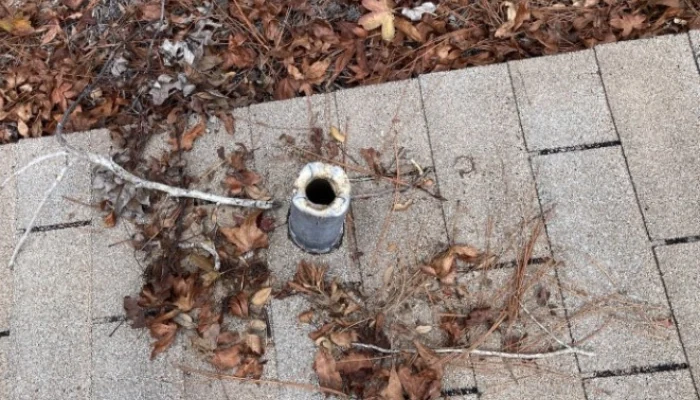
It’s one thing to choose a fire-rated roofing material. It’s another to install and maintain it the right way. Many roofs lose their fire resistance not because of bad materials, but because of poor decisions. Below are the most common mistakes homeowners or contractors make:
- Skipping the right underlayment: Many roofing systems only get a Class A fire rating when installed with a specific underlayment. Skip it and you lose the rating.
- Fix: Always pair shingles or tiles with the correct, fire-rated underlayment.
- Using unrated accessories: You might have a Class A shingle, but if you top it off with plastic ridge vents, flammable flashing or non-metal drip edges, you’re creating weak spots. Fire finds the weak spots fast.
- Fix: Use Class A-compatible components throughout your roof system, not just the main surface.
- Poor installation practices: A sloppy job can destroy even the best material. Gaps, loose tiles, exposed nails, or poorly aligned panels can give fire an opening, literally.
- Fix: Hire certified pros who follow manufacturer guidelines to the letter, like Protect Preserve Roofing.
- Debris buildup in gutters and valleys: Leaves, twigs and pine needles are more than messy. They’re natural kindling. In high-risk zones, embers landing on this buildup can start a fire even on a Class A roof.
- Fix: Clean your gutters regularly and consider ember-resistant gutter guards.
- Ventilation vulnerabilities: Openings in attic vents, soffits or eaves can act like a funnel. Embers sneak in and now the fire’s inside where the roof rating doesn’t help much.
- Fix: Use ember-resistant vent covers and screen openings with 1/8-inch or smaller mesh.
- Choosing the wrong roof for your zone: Just because a roof looks great or fits your budget doesn’t mean it fits your wildfire risk level. Some homeowners install polycarbonate or foam roofs in areas that clearly need tile, metal, or Class A shingles.
- Fix: If you’re not sure what your home needs, ask a local expert. Protect Preserve Roofing knows the zones, codes, and what actually works.
What Is the Most Fire Resistant Roofing Material: Roof Types that Passed Real-World Fire Tests
Below are roofing types that have proven themselves in real-world fire scenarios, with insights from recent studies, wildfire case reviews and building science reports.
Clay and concrete tiles
- Proven performance in wildfires: In California and other high-risk zones, tile roofs regularly survive wildfires when paired with ember-resistant underlayment and sealed properly. Their weight and density block heat effectively.
- Common weakness: Gaps between tiles can let embers in if not sealed. Also, falling tiles can expose the underlayment.
Metal roofing (steel, aluminum)
- Excellent spark resistance: Metal roofs, especially those with standing seams, reflect heat and don’t ignite. In wildfire case studies (e.g. Paradise, CA), homes with properly installed metal roofs often had less overall damage.
- But: Unsealed edges or vents can still allow fire into the attic.
Class A asphalt shingles (with proper system)
- Strong when installed correctly: Not all asphalt shingles perform equally. But when Class A shingles are paired with a fire-rated underlayment, many perform surprisingly well. They’ve withstood embers and even light flame contact in test zones.
- Caution: Improper installation or missing components can ruin their performance.
Synthetic composites (fire-rated only)
- Some pass, some fail: Composites like CeDUR and other resin-based shingles can be Class A, but only with full test systems. In real-world fires, only high-end fire-rated versions held up.
- Lower-quality composites or foam products failed quickly when exposed to direct flame or embers.
Flat roofing systems (TPO, PVC, foam)
- Inconsistent outcomes: Flat commercial roofs often use TPO, PVC, or spray foam. When installed with proper coatings and rated assemblies, some do well. But real fire exposure revealed weak spots, especially around penetrations like vents.
- These systems must be perfectly sealed and even then, they’re rarely ideal in high fire-risk zones.
Little reminder: Protect Preserve Roofing doesn’t guess, we build to last. Our team knows what works in your ZIP code, not just in lab tests. We install materials that passed real fire scenarios, with Class A-rated assemblies, code-compliant venting, proper flashing and sealing and optional upgrades in ember zones.
Also read:
Final Ranking: Best Fire-Resistant Roofing Materials for Homes
After reviewing lab ratings, real-life performance and installation insights, here’s how the most common roofing materials stack up to answer “what is the most fire resistant roofing material”:
| Rank | Material | Fire Rating | Real-World Performance | Key Benefits | Considerations |
| 1 | Clay & Concrete Tiles | Class A | Excellent | Naturally fireproof, durable, long-lasting | Heavy; may require reinforced structure and expert sealing |
| 2 | Metal Roofing (Steel, Aluminum, Copper) | Class A | Excellent | Non-combustible, reflects heat, great for wildfire zones | Must seal roof penetrations well (vents, edges) |
| 3 | Asphalt Shingles (Class A with underlayment) | Class A | Very Good | Affordable, common, meets building codes | Depends on correct underlayment and shingle quality |
| 4 | Synthetic or Concrete Panels | Class A | Good to Excellent | Lightweight options, stylish, durable | Not all brands are Class A (check certification) |
| 5 | TPO, PVC, Foam Roofing | Class A (some) | Variable | Can be self-extinguishing, suitable for flat roofs | Installation and maintenance-sensitive |
| – | Polycarbonate Roofing | Not Rated | Poor | Lightweight, used in gazebos | Melts easily, not suitable for fire-risk areas |
| – | Wood Shingles | Not Rated or Class C | Poor | Aesthetic appeal | High risk, often uninsurable in fire-prone zones |
Conclusion: Choosing the Right Fire-Resistant Roof with Confidence
When it comes to protecting your home, what is the most fire resistant roofing material isn’t just about looks, it’s about safety. Especially in areas prone to wildfires or high heat, having a fire-resistant roof is one of the most effective ways to reduce your risk and protect your investment.
Therefore, the big question remains: Which roof is right for you? Let’s break it down one last time:
- Clay and concrete tiles offer unmatched fire resistance and longevity, ideal for homeowners who want long-term protection and have the right roof structure.
- Metal roofing brings both strength and reflectivity to the table, making it a top contender for wildfire-prone areas.
- Class A asphalt shingles give solid protection when paired with fire-rated underlayment, a smart choice for those seeking safety and affordability.
- TPO, PVC, and foam roofs can meet fire standards but rely heavily on installation quality and manufacturer specs.
Still unsure? That’s where Protect Preserve Roofing comes in. We don’t just install roofs, we install confidence. Every recommendation is backed by hands-on experience, real-world testing and strict compliance with fire safety building codes. Whether your priority is budget, structure or local risk factors, we help you make the call that fits your home like a glove.
Ready to take the next step? Schedule your free visit today and see why homeowners trust us to get it done right and safe. You can also call or get a quick estimate for your project.
Don’t wait until smoke is on the horizon to think about your roof’s fire resistance.
FAQ: Fire-Resistant Roofing Questions Answered
Fire-resistant materials are tested and rated for their ability to withstand heat, flames, and embers. Class A is the top fire rating, offering the best protection for homes in high-risk areas.
Yes. Metal roofs are non-combustible and Class A-rated when installed correctly. They reflect heat and don’t catch fire from embers, making them a smart choice in fire-prone regions.
They can be. Asphalt shingles reach Class A fire resistance when paired with the right underlayment. Without it, they’re more vulnerable to ignition under intense heat or flying embers.
Class A is the top tier. It provides superior resistance to flames and radiant heat. Homeowners in wildfire zones should always aim for Class A-rated roofing systems.
What makes a roofing material fire resistant?
Fire-resistant materials are tested and rated for their ability to withstand heat, flames, and embers. Class A is the top fire rating, offering the best protection for homes in high-risk areas.
Is a metal roof better than shingles for fire protection?
Yes. Metal roofs are non-combustible and Class A-rated when installed correctly. They reflect heat and don’t catch fire from embers, making them a smart choice in fire-prone regions.
Can asphalt shingles be fire-resistant?
They can be. Asphalt shingles reach Class A fire resistance when paired with the right underlayment. Without it, they’re more vulnerable to ignition under intense heat or flying embers.
Which fire rating is best for a residential roof?
Class A is the top tier. It provides superior resistance to flames and radiant heat. Homeowners in wildfire zones should always aim for Class A-rated roofing systems.

Leave a Reply