



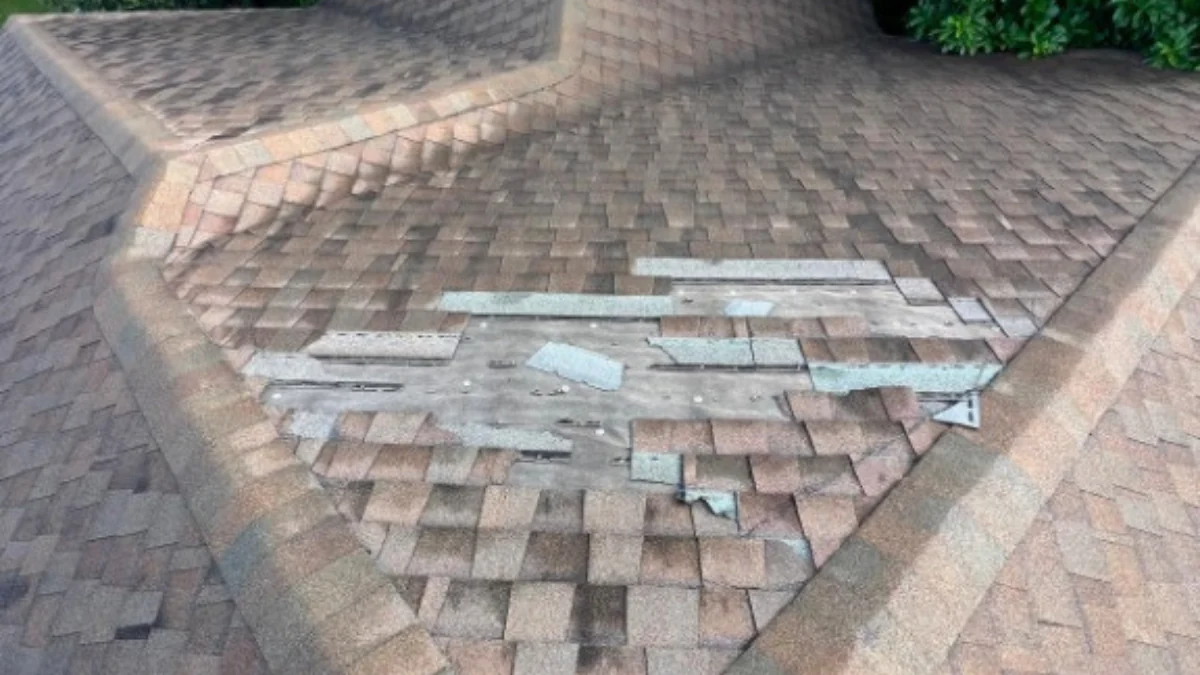


What should I do if I need roof repair? If you’ve ever found yourself staring at a ceiling stain during a storm, you’re not alone, because roof damage doesn’t wait. It gets worse fast and delaying action could mean trading a minor fix for a major expense.
Most homeowners who act within the first 24 to 48 hours of noticing damage have a much higher chance of preventing long-term structural issues. But here’s the thing: most people don’t know what to do first.
So, if you’re reading this now and wondering what your next step should be, don’t worry, you’re in the right place. We’ll show you how to decide between roof repair or replacement, what to do if your roof is leaking right now, what insurance does cover, where to find trustworthy professionals near you and preventive tips to avoid emergencies in the future.
If you’re searching for clear, no-fluff answers, stick with us. Your roof, and your wallet, will thank you later.
Table of contents
What Should I Do If I Need Roof Repair?
The first thing you must do is stay calm and act fast. Quick action reduces damage, saves money and keeps your home safe. Your top priority is to stop water from entering your home. Let’s break it down:
- Protect the inside of your home: If water is coming in move furniture away from leaks, use buckets, towels or plastic containers to catch the water and dry any wet areas you can reach.
- Do not climb on the roof: Slippery tiles, wind or hidden structural problems can make climbing dangerous. Instead, stay on the ground, take photos from below if safe and let the pros handle the climb.
- Call a trusted roofing company immediately: You need to look for local and licensed professionals (like Protect Preserve Roofing), emergency roof repair availability and experience with insurance claims if needed.
- Document the damage: This step protects your wallet. Take clear photos or videos of the leak or ceiling stains, any water-damaged items and the outside damage if visible.
Quick reminder from Protect Preserve Roofing: If your roof shows signs of trouble, don’t wait. Grab your phone, call us and get things moving.
Common Causes of Roof Damage
When damage threatens your safety or your home’s structure, waiting is not an option. Let’s talk about the usual suspects behind emergency repairs and why you should never ignore them.
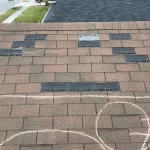
- Wind and storm damage: Heavy winds can rip off shingles, tear flashing loose and hurl debris onto your roof.
- Hail strikes: Hail looks harmless, until it hits hard. Even small hailstones can crack shingles, dent metal flashing and loose granules that protect your roof from UV.
- Fallen trees and limbs: This one’s obvious. Fallen trees break rafters, crack the roof deck and expose your attic to rain and wildlife.
- Ice dams and heavy snow: They block proper drainage, force water under shingles and lead to interior leaks and mold. This needs immediate action.
- Animal intrusion: Squirrels, raccoons or birds can tear into vents, nest in insulation and chew through wood and wiring.
- Fire or lightning strikes: Lightning can blow holes straight through a roof. Fire weakens everything: shingles, beams, flashing, insulation.
- Poor installation or age-related wear: Sometimes, the roof fails because it was never done right, like incorrect shingle overlap, cheap materials and old sealants or cracked flashing.
Quick reminder from Protect Preserve Roofing: Emergency roof damage doesn’t always look dramatic, but it always demands fast action. Knowing the root cause helps you respond the right way and avoid bigger problems.
Roof Repair: Immediate Fixes to Prevent Further Damage
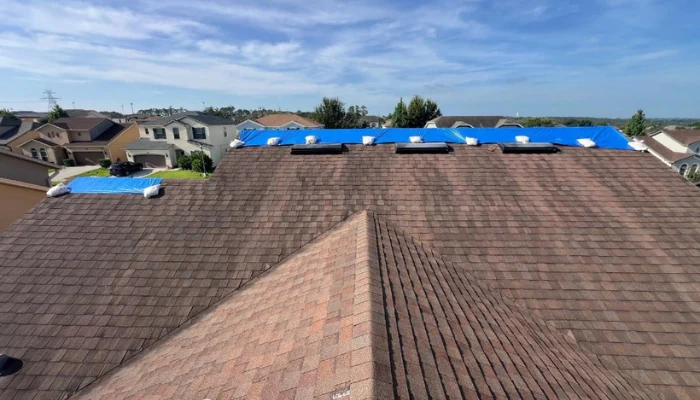
The first 24 hours after discovering roof damage are critical. The quicker you control the situation, the less you’ll pay in the long run. Let’s walk through what to do right now to keep your home safe and dry.
- Contain the leak inside your home: Move furniture and electronics out of the way, place buckets, bowls or towels under drips and, if the ceiling bulges, poke a small hole to release the water. (Yes, really, it can prevent the entire ceiling from collapsing).
- Safely inspect the damage: Only if it’s safe, check the roof from the ground or through a window. Look for missing shingles, exposed underlayment, tree branches or debris and signs of sagging or colapse.
- Tarp the roof: Tarps are your best friend during emergencies. They keep more water out and give you time to figure out long-term fixes. Use weighted bags or sandbags to secure the tarp, never nail or screw directly into the roof unless there’s no other choice and for steep slopes or complex damage, call a professional.
- Take photos for insurance: Every puddle, shingle and stain matters. The more you document, the easier your claim will be. Capture the interior damage (walls, ceiling, insulation), the exterior roof damage, do close-ups of shingles or holes.
- Schedule a professional inspection: A pro will do a full inspection (outside and inside), diagnose the source and extent of the problem, recommend next steps and assist with insurance claim documentation.
Quick reminder: Water spreads, mold grows, and structures weaken. That’s why emergency roof repair is all about buying time to plan a lasting fix. That’s when Protect Preserve Roofing steps in with service built for homeowners who need real help, right now.
Repair or Replace the Roof?
Most homeowners ask the same question when they see a leak: “Can I just fix this spot, or do I need a whole new roof?” The answer depends on a few clear signs. Let’s walk through what matters most so you don’t overspend later.
Look at the age of your roof
Roofs don’t last forever. Here’s a quick breakdown:
- Asphalt shingles: 15 to 30 years.
- Metal roofing: 30 to 50 years.
- Wood shakes: 20 to 40 years.
- Flat roofs (like TPO or modified bitumen): 10 to 20 years.
Check the extent of the damage
A few missing shingles? That’s a repair. Large sections curling, sagging, or bare? Replacement might be the better route. Signs that a replacement might be necessary:
- Leaks in multiple areas.
- Major storm damage (especially after hail).
- Sagging spots or structural warping.
- Rotting underlayment or decking.
- Over 25% of shingles missing or broken.
How much will it cost?
Here’s a rough breakdown:
- Minor repair: $150 – $600.
- Moderate repair: $600 – $2,000.
- Full roof replacement: $8,000 – $15,000+ depending on size, pitch and materials.
Insurance considerations
Sometimes the choice isn’t entirely yours. Insurance may only pay for repairs if:
- The damage is caused by a sudden event (like a storm).
- You report it fast.
- You don’t delay protection with a tarp.
Quick reminder from Protect Preserve Roofing: Is your roof younger than 15 years? Is the damage in just one area? Can it be fixed without tearing up the whole system? If yes, repair might be enough, but if you’re on your third or fourth repair… it’s time to talk replacement.
Roof Repair or Replacement: Which Costs Less Over Time?
Let’s settle this with honesty: repairs usually feel cheaper and, at first, they are. However, the real question is “will they save you money in the long run?” That depends on your roof’s condition. Let’s see.

Short-term: repairs are cheaper
If we’re talking dollars right now, yes, repairs cost less up front.
- Small patch: $150 – $600.
- Moderate issue: $600 – $2,000.
If you’re calling for repairs every few months or after every storm, those small payments add upmand fast.
Long-term: replacements can save more than you think
A full roof replacement sounds scary but think of it as a reset. It can last 20–50 years depending on materials, and it often comes with:
- Warranties (10–25 years).
- Improved energy efficiency.
- Fewer headaches.
Pro tip: When done right, with guidance from a team like Protect Preserve Roofing, you avoid the trap of endless fixes. You save money, reduce stress, and protect your home long term.
Insurance and Roof Repair: What You Should Know
Insurance can help cover roof repairs or replacements, but it all depends on the cause, the timing and how well you documented the damage (according the legal experts). Let’s clear the fog.
Does homeowners’ insurance cover roof repairs?
Yes, but only in certain cases. Insurance usually covers damage caused by:
- Storms (wind, hail, lightning).
- Falling trees.
- Fire.
- Vandalism.
It rarely covers:
- Wear and tear.
- Neglect or delayed maintenance.
- Leaks from old age.
So, if your roof leaks because it’s old and worn out, you’ll likely pay out of pocket. But if a storm rips off shingles or hail punches holes, you’ve got a case.
Timing is everything
If your roof is leaking today, and you wait a few weeks hoping it gets better, your insurer might say: “You let it get worse.” To stay covered:
- Call your roofer immediately after damage (Protect Preserve Roofing can inspect within 24 hours).
- Take photos of everything from ceiling stains to shingles on the lawn.
- Notify your insurer fast. Don’t delay.
- Photo evidence of damage, inside and out.
- Detailed roofer report explaining what caused the problem.
- Receipts from emergency tarp installs or mitigation efforts.
Emergency repairs and insurance
Most policies require that you prevent further damage. Therefore, do not nail or screw the tarp into the roof. Doing this can void your insurance claim unless it’s absolutely necessary (extreme pitch or full roof failure). Use weighted methods, like sandbags, like Protect Preserve Roofing does.
Quick reminder from Protect Preserve Roofing: You don’t have to figure this out alone. Roofing pros with insurance experience can help speed up the process and make sure you don’t get lowballed.
Should I Try a DIY Roof Repair or Call a Pro?
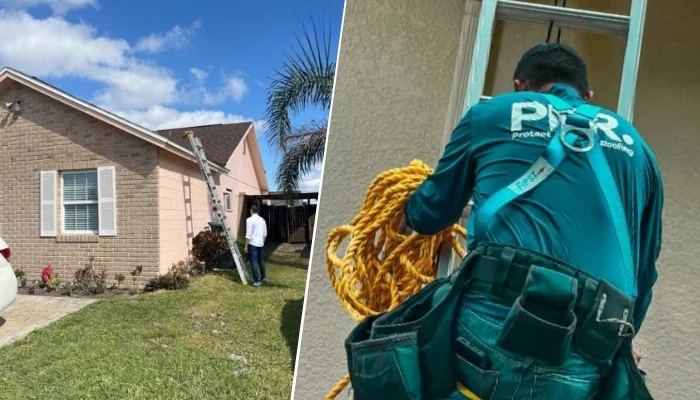
Some repairs look simple… until they’re not. One misstep and that small fix could cost you more than the original problem. So, should you DIY or call a pro? Here’s how to decide.
DIY roof repair
You can attempt minor tasks if you know what you’re doing, and safety isn’t a concern. Examples:
- Reattaching one or two loose shingles.
- Clearing debris or leaves.
- Sealing small, visible nail holes.
But even then, you need:
- The right tools.
- Proper safety equipment.
- A good understanding of your roof’s structure.
The hidden risks of DIY roof repair
- Safety: Falls are the leading cause of DIY injuries and roofs are slippery and unpredictable.
- Improper sealing: If you don’t seal shingles right, you invite water in.
- Insurance denial: Many policies won’t cover damage caused by improper DIY repairs.
- Misdiagnosis: What you think is a missing shingle might be a sign of structural weakness.
When you should absolutely call a pro
- Leaks or water stains inside your home.
- Damaged flashing around vents or chimneys.
- Sagging sections or signs of rot.
- Storm, hail, or wind damage.
- Anything near edges or on steep roofs.
These problems often run deeper than they look. A quick patch won’t cut it.
Why pros are worth it
- They identify hidden issues, ones you’d never spot from a ladder.
- They work faster, safer and with guaranteed materials.
- They understand local codes and insurance guidelines.
- They back their work with warranties.
Pro tip: If the damage is more than cosmetic, or if you need to use a ladder for longer than 2 minutes, call Protect Preserve Roofing. Your safety, your home’s integrity and your wallet will thank you later.
Preventive Maintenance to Reduce Future Roof Emergencies
Roof emergencies rarely happen out of nowhere. However, with the right habits, you can avoid most surprise leaks, shingle blow-offs or full-blown replacements. Here’s how to stop future roof problems before they start.
- Schedule a roof inspection twice a year: After winter, to check for freeze/thaw damage or cracked shingles and after storm season, to catch wind, hail or water issues.
- Clean your gutters regularly: Clogged gutters = trapped water. And trapped water means roof edge rot, leaks behind fascia boards and ice dams in colder weather.
- Trim overhanging trees: Branches may look peaceful now, but in a storm, they become battering rams. Keep a 6-10 foot gap between tree limbs and your roof edge when possible.
- Check attic ventilation and insulation: Poor attic airflow causes moisture buildup, which leads to mold, warped decking and shingle damage from below.
- Address minor repairs right away: If you see loose or curling shingles, small stains on ceilings and flashing out of place… call Protect Preserve Roofing. Quick fixes save big.
- Maintain roof sealants and flashing: The sealants around vents, chimneys and skylights dry out over time. Have them checked every couple of years and re-seal as needed.
- Invest in quality repairs: Cheap fixes are like duct tape on a leaky boat. If you need work done use proper materials, hire professionals and get warranties.
Conclusion: Protect Preserve Roofing – Real World Proof
When your roof fails, time isn’t your friend. Moisture spreads, insulation soaks and what starts as a drip turns into drywall repairs, mold or worse. That’s why you don’t just need a roofer. You need a partner.
And that’s where Protect Preserve Roofing delivers, every single time. We’ve built a reputation on three pillars that matter:
- Speed: Emergency tarping often within hours, not days.
- Transparency: Clear pricing, real communication and zero hidden games with insurance.
- Expertise: From quick fixes to full replacements, their licensed crews diagnose right the first time.
When your roof is on the line, don’t gamble on guesses. Go with the team that shows up fast, explains clearly and cares about your home like it’s theirs. Call us today, we offer more than a service. We’re your safety net. You can also schedule a free visit to your roof or get a quick estimate.
Need urgent help or a free inspection? Contact us, one conversation can protect your entire home.
Frequently Asked Questions (FAQ)
What should I do first if I notice a roof leak?
Start by containing the water inside using a bucket or tarp if safe. Then call a roofing expert like Protect Preserve Roofing. Quick action prevents mold and more costly damage.
How do I know if my roof can be repaired or needs replacement?
If the damage is isolated—like a few missing shingles—a repair may be enough. But if leaks return often, or the roof is over 15–20 years old, a replacement could save you money in the long run.
How fast can a tarp be installed after roof damage?
Protect Preserve Roofing can typically install a temporary tarp within hours. They use sandbags—not nails—unless absolutely necessary, avoiding further structural issues and insurance complications.
Can I repair a roof leak myself to save money?
It’s risky. Minor fixes might seem easy but often miss hidden issues. Plus, DIY repairs can void warranties and lead to denied insurance claims. A professional fix is safer and more reliable.


Leave a Reply