



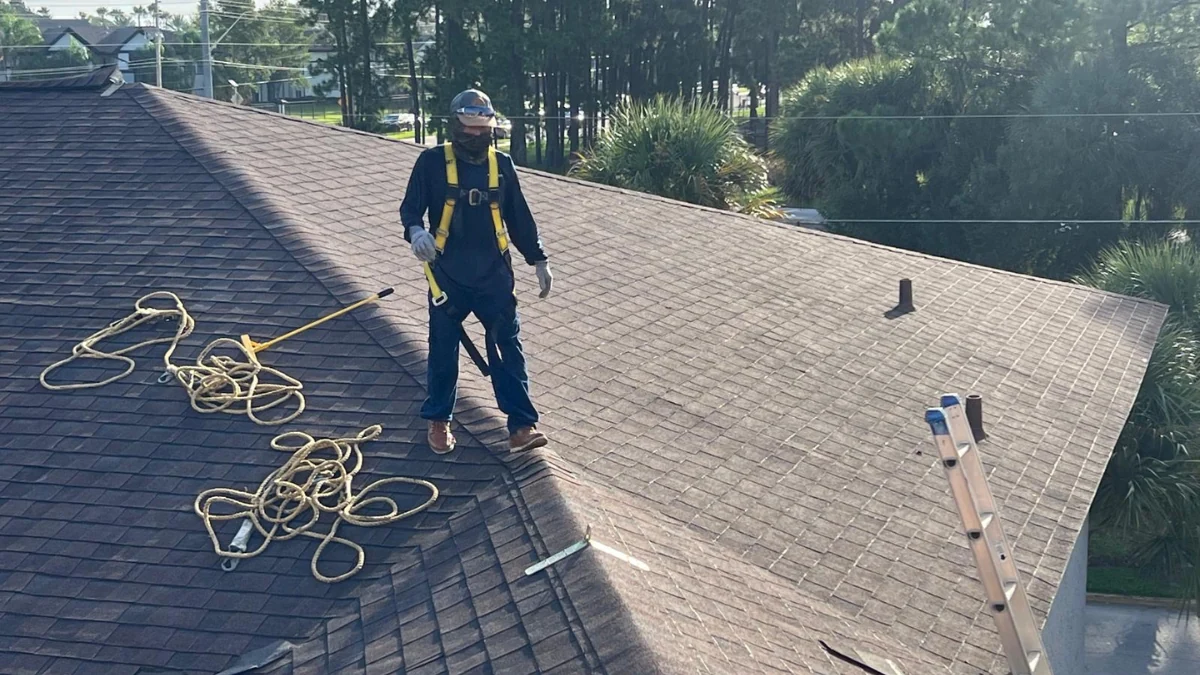


Shingle roof repair may sound like a small task, but statistics show that roof leaks and shingle damage account for more than 40% of homeowner insurance claims in the U.S. (Insurance Information Institute).
Have you ever spotted a loose shingle after a storm and thought, “I’ll deal with it later”? You’re not alone. Thousands of homeowners delay repairs, only to face repair bills that are two or three times higher once the damage spreads.
Here’s the reality: shingle damage doesn’t just affect appearance. It’s your roof’s first line of defense against rain, wind and sun. Once that barrier breaks, even in one small spot, your home becomes vulnerable.
So, in this guide, you’ll discover the most common causes of shingle roof damage, how to spot the early warning signs before it’s too late, emergency repair steps you can take right away, the real costs of shingle roof repair and expert tips to extend the life of your roof and avoid unnecessary expenses.
Don’t wait until a ceiling stain or a surprise drip forces you into emergency mode. Let’s dive in and see what causes shingle damage in the first place.
Table of contents
What Causes Shingle Roof Damage?
Shingles look tough, but they face constant punishment from weather and time. When they fail, shingle roof repair becomes necessary. Understanding the main causes helps you act before small issues become major expenses. So, let’s break it down:
- Wind and storms: Strong winds lift shingles or tear them away. Even if they don’t blow off completely, a loose edge lets rain slip underneath.
- Rain and moisture: Water is the enemy of any roof. If shingles crack, curl or lose granules, they stop shedding water. Instead, moisture seeps in and rots the wood decking below. That’s how a $200 repair can quickly become a $2,000 rebuild.
- Sun and heat: UV rays dry shingles out over time. They become brittle and start to curl at the edges. Once that happens, wind and rain easily exploit the weakness.
- Ice and freezing weather: In cold climates, melting snow refreezes at the roof edge, creating ice dams. These dams push water under shingles, causing leaks inside the house.
- Poor maintenance: Clogged gutters, moss and leaves trap water. This adds unnecessary weight and creates damp spots that shorten a roof’s lifespan. A little prevention saves a lot of headaches.
- Age and installation errors: Most asphalt shingle roofs last 15–20 years. After that, materials break down no matter how careful you are. And if shingles were installed incorrectly in the first place, leaks may appear much sooner.
Bottom line: Shingle roof damage comes from wind, rain, sun, ice, neglect or just old age. Catching these problems early makes repair easier and cheaper.
How to Spot Early Signs of Roof Shingle Damage
The trick is always catching the warning signs early. That way, roof shingles repair stays simple and affordable instead of turning into a major project. You should pay extra attention to the following:
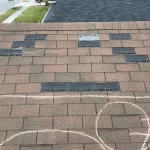
- Missing or loose shingles: If you see a bare patch on the roof or shingles out of place after a storm, act fast. That gap is an open door for water.
- Water stains on ceilings or walls: Brown spots on ceilings or walls are clear signals. Even a small stain means moisture has already worked past the shingles.
- Granules in gutters or driveway: Asphalt shingles shed their protective granules when they age. If you find piles of black grit in gutters or on the ground, your shingles are wearing out.
- Curling or cracked edges: Shingles that curl upward or show visible cracks no longer protect the roof deck. Wind and rain will slip underneath with ease.
- Moss, algae or dark streaks: These growths don’t just look ugly. They trap moisture, break down shingles and shorten lifespan.
- Attic check: Grab a flashlight and check the attic. Look for damp insulation, mold or daylight peeking through gaps. If light can get in, water can too.
Quick reminder from Protect Preserve Roofing: Early signs of shingle roof damage are easy to spot if you know where to look. Missing shingles, stains, granules, curling edges and attic leaks all point to trouble. The sooner you see it, the less you’ll spend on roof shingle repair.
Emergency Shingle Roof Repair
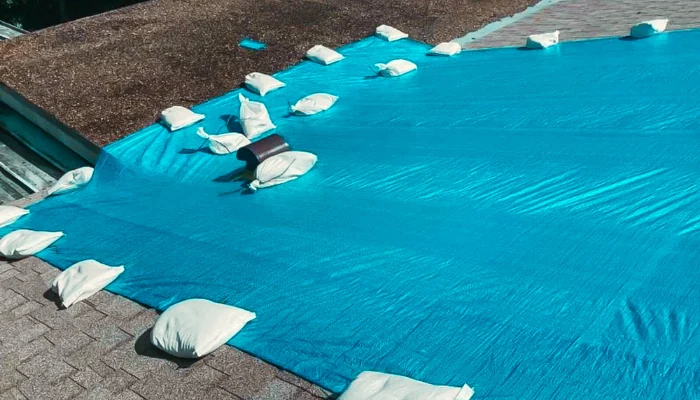
Storms don’t book appointments. When shingles blow off or crack, water finds its way inside fast. Knowing a few emergency moves can save your home until professionals step in.
- Contain the leak inside: Simple things, but it keeps the mess from spreading:
- Place buckets under drips.
- Move furniture and electronics away.
- Lay down towels to absorb standing water.
- Use a tarp to cover the roof: A tarp is the fastest way to block rain. However:
- Never nail or screw a tarp directly into the roof. This creates new holes and can void insurance.
- Secure it with sandbags or weighted anchors.
- Only in rare cases — like a steep pitch or a roof already beyond repair — should fasteners be used.
- Protect Preserve Roofing installs tarps safely, keeping insurance valid and protecting your structure. Costs usually range from $800 to $1,600, depending on pitch, height and area covered.
- Apply temporary sealant: If the leak is from a small crack or gap, roofing cement or sealant can hold back water for a short time. Think of it as a patch, not a solution.
- Relieve ceiling pressure: If water balloons inside drywall, poke a small hole to drain it into a bucket. This prevents full collapse.
- Document everything: Take photos of the damage, the leak and your temporary fix. If you ever file an insurance claim, this record helps prove you acted fast.
Bottom line: Emergency shingle roof repair is about speed, not perfection. Contain the leak, cover the roof, document the damage and call in the pros. A tarp or sealant buys you time, but a lasting repair requires expert work.
Also read:
Shingle Roof Repair: Step-by-Step Guide
Repairing shingles isn’t rocket science. However, it does require patience and the right tools. Here’s a clear breakdown of how roof shingle repair usually works:
- 1. Identify the damaged shingle: Look for cracks, curling edges or missing pieces. Often the damage is most visible after storms or in roof valleys.
- 2. Gather tools and materials: You’ll need:
- Replacement shingles.
- Roofing nails.
- Hammer or pry bar.
- Roofing cement or sealant.
- Utility knife.
- 3. Loosen the shingles around the damage: Gently lift the shingles above the broken one. Use a pry bar to remove nails holding it in place. Take care not to crack surrounding shingles.
- 4. Remove the damaged shingle: Slide out the old piece once the nails are free. If it’s cracked into small pieces, remove them carefully to avoid tearing the underlayment.
- 5. Install the new shingle: Slide the replacement into the gap. Nail it down with roofing nails, keeping them just under the shingle overlap.
- 6. Seal the edges: Apply roofing cement or sealant under the edges of the new shingle and press it down. This prevents wind from lifting it later.
- 7. Check your work: Spray the area lightly with a hose or wait for the next rain. Check the attic for leaks to confirm the repair worked.
Safety note from Protect Preserve Roofing: Shingle repairs look easy, but climbing a roof is dangerous. If the pitch is steep, the roof is wet or the damage is widespread, calling a professional is the safer choice.
Professional vs. DIY Shingle Roof Repair
When shingles fail, you have two choices: climb the ladder yourself or call in the pros. Both paths have benefits and drawbacks. Here’s a side-by-side look:
| Aspect | DIY Shingle Roof Repair | Professional Shingle Roof Repair |
| Cost | $50–$200 for materials (sealant, shingles, nails) | $800–$1,600 for emergency tarp; $500–$3,000+ for full repair |
| Speed | Immediate if you have tools | Same day for emergencies; scheduled for larger jobs |
| Safety | High risk of falls, cuts, or accidents | Trained crews with safety gear and insurance |
| Effectiveness | Works for very small fixes, often temporary | Long-lasting solutions that address root causes |
| Skill Needed | Basic handyman skills; ladder work | Professional training and diagnostic expertise |
| Insurance Impact | DIY mistakes can void claims if damage spreads | Repairs documented and aligned with insurance requirements |
| Longevity | Patch may last weeks or months | Repairs last years, often backed by warranty |
Bottom line: DIY shingle roof repair might work for tiny issues, but the risks are high and results are often short-lived. Professionals deliver safe, lasting fixes and protect your insurance coverage. For peace of mind, Protect Preserve Roofing is the smarter call.
Shingle Roof Repair Cost: What You Should Expect
The price of shingle roof repair depends on the type of damage, the size of the area and how quickly you act. A missing shingle costs far less to fix than widespread leaks or rotten decking. Knowing the averages helps you plan and avoid being surprised by a big bill.

Average cost ranges
- Minor repairs (1–3 shingles, light sealant, flashing touch-ups): $150–$400
- Moderate repairs (larger patch of shingles, leak around chimney/vent): $500–$1,200
- Major repairs (multiple leaks, damaged decking, sagging areas): $1,500–$3,000+
- Full replacement (if shingles are too old or damage is widespread): $7,500–$15,000+, depending on size and materials
Emergency costs
When storms hit, you might need a tarp to stop water immediately.
- Professional tarp installation usually costs $800–$1,600, based on pitch, height and coverage area.
- A tarp is temporary, but it prevents far more expensive water damage inside your home.
- Never nail or screw a tarp into the roof. It can void insurance and make things worse. Weighted anchors or sandbags are the safe way.
Factors that raise or lower costs
- Roof pitch: Steeper = more labor and safety equipment.
- Material: Asphalt shingles are cheapest; architectural or designer shingles cost more.
- Accessibility: Two-story homes or tight spaces are harder (and pricier) to work on.
- Extent of damage: One cracked shingle vs. multiple leaks across the roof.
- Labor rates: Prices vary by region and contractor expertise.
Quick reminder: Roof shingle repair cost ranges from a few hundred dollars to several thousand, depending on severity. Fast action and professional help save money in the long run. Protect Preserve Roofing provides honest inspections and clear pricing, so you know exactly what to expect.
Preventive Maintenance Tips
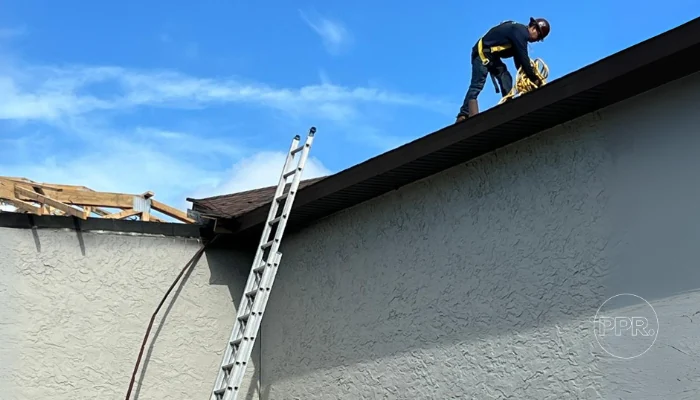
The cheapest way to handle asphalt shingle roof repair is to prevent problems before they start. Small habits keep your roof strong and save you from costly surprises:
- Clean gutters regularly: Clogged gutters force water back under shingles. Clean them twice a year, especially after fall. This simple chore prevents leaks and rotten fascia.
- Trim overhanging branches: Branches scrape shingles, drop debris and block sunlight. In storms, they can smash straight through your roof. Cut them back before they cause trouble.
- Inspect after storms: After heavy rain or high winds, walk around your home and look for missing shingles, sagging spots or debris. A 10-minute check can catch problems early.
- Watch for ice dams (cold regions): When snow melts and refreezes at the roof’s edge, it forces water under shingles. Proper insulation and ventilation stop ice dams before they form.
- Ventilate the attic: A hot, damp attic weakens shingles from below. Good airflow reduces moisture and heat buildup, extending the life of your roof.
- Refresh sealant around flashing: Over time, flashing around chimneys, vents and skylights cracks or pulls away. Adding new sealants every few years keeps water out.
- Schedule professional inspections: Even with DIY care, hidden issues remain. An annual inspection spots weak shingles, damaged flashing or minor leaks before they escalate.
Pro tip: Preventative maintenance is simple: clean, trim, inspect, ventilate, reseal and schedule check-ups. These steps protect your shingles, your home and your wallet. For added peace of mind, Protect Preserve Roofing offers inspections designed to catch leaks before they spread.
When to Repair vs. Replace a Shingle Roof
Not every damaged roof needs to be replaced. Sometimes a simple patch does the job. Therefore, there comes a point when repairing again and again costs more than starting fresh. Here’s how to tell the difference:
- When repairs make sense: In these cases, a repair extends the life of your roof without draining your wallet:
- Roof under 10 years old with limited damage.
- One to five missing shingles that can be replaced easily.
- Local leaks around flashing or vents.
- Solid decking with no signs of rot or sagging.
- When replacement is smarter:
- Age: Asphalt shingle roofs over 20 years are nearing the end of their lifespan.
- Multiple leaks in different spots show the system is failing.
- Curled, brittle or alligatoring shingles across large areas.
- Rotten or soft decking that can’t hold nails securely.
- Repair costs exceed 30–40% of replacement cost — at that point, replacement pays off.
- Cost perspective: Repairs look cheaper upfront, but constant fixes add up. A replacement may save thousands over the next decade:
- Repairs: $150–$3,000 depending on severity.
- Replacement: $7,500–$15,000+ depending on size and shingle type.
Bottom line: Repairs are ideal for young roofs with isolated damage. Replacement is the smarter choice for aging, worn-out roofs where leaks keep coming back. If you’re unsure, Protect Preserve Roofing provides honest inspections and clear advice, so you never overspend.
Conclusion: Choosing a Shingle Roof Repair Contractor Near Me
Shingle damage doesn’t fix itself. A missing or cracked shingle may look small today, but left alone it opens the door to leaks, mold, and costly repairs. You’ve seen what causes damage, how to spot the signs, and what repairs cost. The final step is choosing the right contractor to protect your home.
Here’s what matters most when hiring for shingle repair near me:
- Experience: Look for proven work with asphalt shingle roofs.
- Licensing and insurance: A must for safety and accountability.
- Emergency response: Storms don’t wait — neither should your contractor.
- Transparent pricing: Clear estimates without hidden surprises.
- Customer care: A contractor should treat your home like their own.
That’s exactly what Protect Preserve Roofing delivers. Our team responds fast, installs emergency tarps safely and performs repairs designed to last. We don’t just patch shingles, we protect homes, families and peace of mind.
Call us today for expert shingle roof repair near you. You can also schedule a free roof assessment or get your instant roof estimate.
You can stop small problems before they become expensive ones and trust your roof to professionals who care about more than just shingles, they care about your home.
How much does shingle roof repair cost?
Minor repairs cost $150–$400, moderate repairs run $500–$1,200, and major repairs can exceed $3,000. Emergency tarps by Protect Preserve Roofing usually cost $800–$1,600.
Can I repair shingles on my roof myself?
Yes, if it’s just one or two shingles. But DIY repairs are often temporary and risky. For larger damage, professional repair is safer and longer-lasting.
How do I know if I need repair or replacement?
If your roof is under 10 years old with isolated damage, repairs usually work. If it’s over 20 years old with multiple leaks, replacement may be smarter.
What is the fastest way to stop a shingle roof leak?
The fastest temporary fix is covering the area with a tarp until professionals arrive. Never nail or screw the tarp into the roof. Use sandbags or weights instead to keep insurance valid.
How much does shingle roof repair cost?
Minor repairs cost $150–$400, moderate repairs run $500–$1,200, and major repairs can exceed $3,000. Emergency tarps by Protect Preserve Roofing usually cost $800–$1,600.
Can I repair shingles on my roof myself?
Yes, if it’s just one or two shingles. But DIY repairs are often temporary and risky. For larger damage, professional repair is safer and longer-lasting.
How do I know if I need repair or replacement?
If your roof is under 10 years old with isolated damage, repairs usually work. If it’s over 20 years old with multiple leaks, replacement may be smarter.
What is the fastest way to stop a shingle roof leak?
Cover the area with a tarp until professionals arrive. Never nail or screw the tarp into the roof. Use sandbags or weights instead to keep insurance valid.


Leave a Reply