



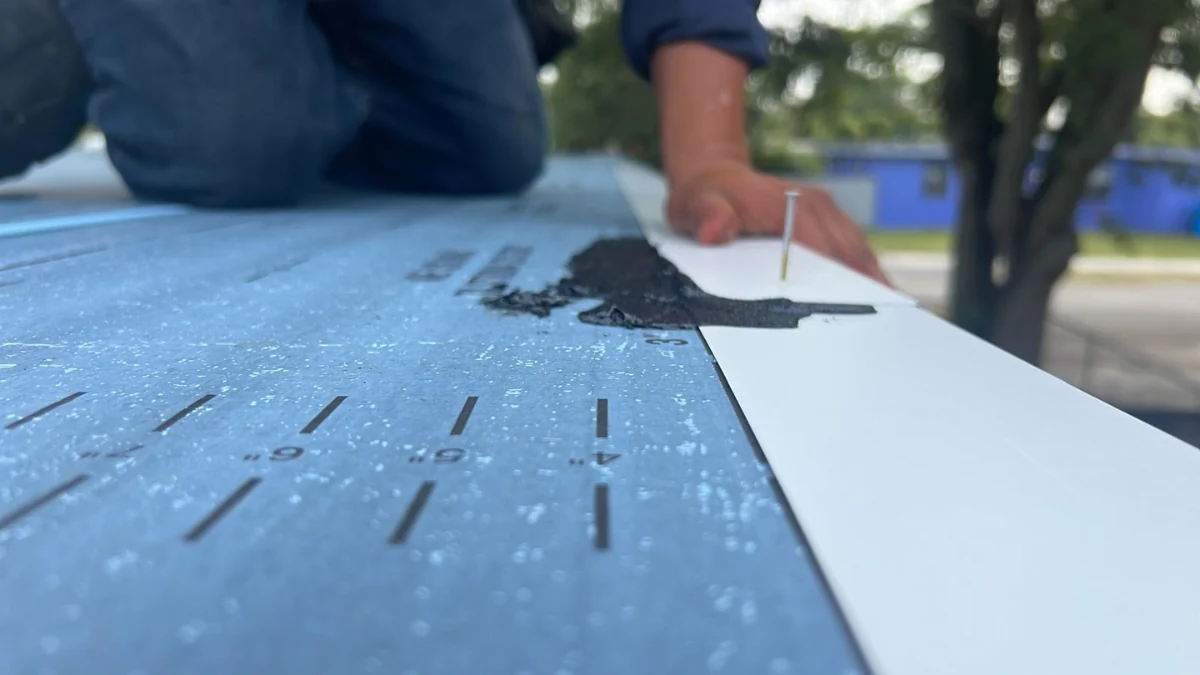


Commercial roof replacement is a major investment and one that many property owners delay until it becomes unavoidable. However, ignoring early signs of damage can increase total replacement costs by up to 50%, according to industry estimates.
Whether you own a warehouse, a retail plaza or a healthcare facility, the commercial roof replacement process can be confusing, costly and full of unanswered questions. In fact, thousands of building owners face this challenge every year.
The good news? Understanding the warning signs, average costs and key steps involved can save you time, money, and future headaches.
So, in this guide, we’ll break it all down in simple terms, using expert-backed data, proven tips and insight so you can make smarter decisions and protect your investment with confidence.
Let’s learn all about commercial roof replacement.
Table of contents
What Is Commercial Roof Replacement and Who Needs It?
Commercial roof replacement is exactly what it sounds like: taking off an old or damaged roofing system on a commercial building and installing a new one that meets current standards.
It’s not patching things up. It’s starting fresh, with the goal of protecting your property for the next 20 to 30 years.
Therefore, if you’re managing a business property, here’s when a full roof replacement starts to make sense:
- Your roof is over 20 years old (especially flat or metal ones).
- Leaks keep coming back, no matter how many times you call someone to fix them.
- You’ve had storm or hurricane damage that affected the structural integrity.
- The roof looks fine, but your energy bills are climbing for no clear reason.
- You’re planning to sell or refinance the property, and a roof report is required.
Heads up: A lot of building owners try to squeeze out another year with quick repairs. That might feel like the smart move, until you’re paying double for interior damage, mold or insurance issues.
The difference between repair and replacement
A repair fixes one problem. A replacement prevents the next ten. Some people confuse the two.
If your commercial roof just has a few cracks or isolated water stains, sure, a professional repair might do the trick. However, if the membrane is blistering, seams are separating or you see sagging spots, that’s not a quick fix. That’s a sign your roof is waving the white flag.
Signs Your Commercial Roof Needs Repair or Full Replacement
The combination of sun, rain, wind and humidity can speed up roof wear without you even noticing. Knowing what to look for is half the battle. These are the most common signs:
- Leaks that keep coming back: Leaks that reappear in multiple areas usually mean there’s a deeper issue under the surface. And water intrusion over time can rot insulation, damage electrical systems, and even affect indoor air quality.
- Bubbling, blistering or wrinkling: These bubbles form when moisture or air gets trapped under the roofing membrane. Over time, they weaken the seal and let water in, even if you don’t see leaks yet.
- Sagging or soft spots: That’s water damage eating away at the decking. If the roof starts to dip or pool water, it’s past time for a check-up.
- Ponding water that won’t go away: Water that sits for over 48 hours increases the chance of leaks and adds unnecessary weight to your structure. It often means your drainage system is failing, or your roof has lost slope in key areas.
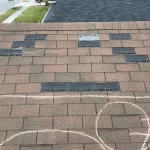
- Visible storm or wind damage: Shingles can blow off. Seams can tear. Branches can crash down. After every major storm, do a visual check or better yet, have a professional do it.
- Mold, stains or odors inside the building: If you start noticing brown stains on the ceiling or upper walls, peeling paint and a musty smell near vents, it’s likely that water is already making its way inside.
- Your roof is past its expected lifespan: Every roof has an expiration date (see the information in the next section).
- Multiple past repairs: Constant patching often leads to inconsistent surface levels; too many seams and materials can weaken the overall structure. In some cases, old repairs even void warranties.
How Long Does a Commercial Roof Last?
Use the table below to get a quick snapshot of the expected lifespan, best uses and key facts about each major type of commercial roofing system.
| Roof Type | Average Lifespan | Common Use | Quick Facts |
| TPO | 15–25 years | Retail stores, warehouses, offices | Energy-efficient and UV-resistant, but seams can split with age. |
| EPDM (Rubber) | 20–30 years | Low-rise commercial buildings | Flexible and weather-resistant; may shrink or crack over time. |
| PVC | 20–30 years | Restaurants, chemical facilities | Resistant to grease, oils, and chemicals — ideal for high-exposure buildings. |
| Modified Bitumen | 20–25 years | Clinics, apartments, strip malls | Tough layered system; prone to seam failure near end of life. |
| BUR (Built-Up Roof) | 20–30 years | Flat and low-slope roofs | Multiple tar and gravel layers; hard to detect leaks in older systems. |
| Metal Roofing | 30–45 years | Industrial sites, churches, showrooms | Long-lasting and durable, but vulnerable to rust and seam issues over time. |
Pro tip: If your roof is over 20 years old, has repeated leak history or shows signs of underlying damage, it’s time to seriously consider replacement instead of more patch jobs. And if you’re in Orlando or anywhere in Central Florida, Protect Preserve Roofing can inspect your roof, explain the options and help you avoid costly surprises.
Commercial Roof Replacement Process: Step-by-Step
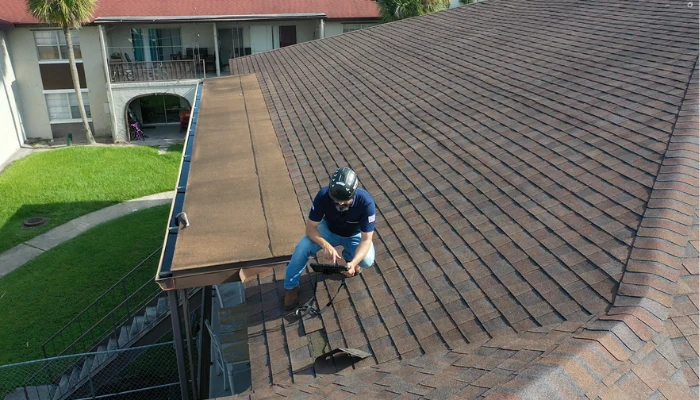
Replacing a commercial roof isn’t as simple as showing up with a crew and some shingles. There’s a right way to do it and cutting corners usually ends up costing more. So, let’s learn.
Step 1: Inspection and assessment
It all starts with a full inspection, with no guesswork. A certified roofer checks:
- Age and condition of the current roof.
- Moisture damage (including hidden water spots).
- Flashing, drainage, and insulation issues.
- Local code compliance.
If it’s raining inside the breakroom, it’s already too late. The goal is to spot problems before they create expensive interior damage.

Step 2: Proposal and cost estimate
After the inspection, you get a written proposal. This includes:
- Scope of work.
- Material recommendations (TPO, metal, etc.).
- Estimated project timeline.
- Labor and material costs.
- Cleanup and disposal plan.
Prices vary depending on size, access and roof type, but Protect Preserve Roofing always bases pricing on fair market averages, no guesswork or hidden fees.
Step 3: Tear-off and removal
The old roofing system gets completely removed. This is where many cheaper companies cut corners, they try to layer over the old roof. That just traps moisture and makes leaks worse.
Here we fully strip down to the deck so we can see the real condition of the structure underneath.
Step 4: Deck repair (if needed)
If there’s damage to the decking (rot, mold or soft spots) that gets repaired or replaced before anything new goes on.
This step is non-negotiable. Installing a new roof on top of bad wood is like building a house on wet sand.
Step 5: Install insulation (if applicable)
Modern insulation helps your roof:
- Last longer.
- Reduce energy costs.
- Meet local energy code requirements.
Step 6: New roofing system installation
Your new commercial roofing system gets installed with:
- Membrane or panel placement.
- Seam sealing and flashing.
- Edge details and reinforcement.
Materials used could include TPO, PVC, EPDM or metal, depending on your building’s needs and what fits best with your budget and long-term goals.
Step 7: Drainage system checks or upgrade
Standing water is a silent killer. During replacement, your contractor must ensure your drainage system:
- Is clean and functional.
- Has no blocked scuppers, clogged gutters, or slow drains.
- Supports the new roof system without pooling.
If necessary, upgrade or rework the drain system on the spot.
Step 8: Final inspection and walkthrough
Before cleaning up, do a full quality inspection. Check every seam, corner and flashing. Then walk through what was done, see the results and receive all the documentation you need (including roof warranty details).
Step 9: Cleanup and disposal
Contractors like us don’t leave a mess behind. Debris, old materials, fasteners are cleared and disposed of properly. Your parking lot or loading area? Left cleaner than we found it.
Step 10: Warranty + maintenance guidance
You need to get:
- Warranty coverage on labor and materials.
- Documentation for insurance or resale purposes.
- Tips for roof maintenance (including semi-annual checkups).
Because replacing a roof isn’t the end of the story, keeping it in shape is what protects your investment.
Quick reminder: Need this handled by professionals who show up, explain what they’re doing and clean up when they’re done? Protect Preserve Roofing has a top-rated roof replacement service. Always clear, fair and by the book.
Commercial Roof Replacement Cost
Replacing a commercial roof is a big investment. But ignore it? That can cost you even more. In 2025, commercial roof replacement costs continue to rise due to:
- Increased material prices.
- Labor shortages in skilled trades.
- Stricter building code requirements (especially in Florida).
So, how much should you expect to pay? For commercial properties in Orlando and across Central Florida, the average roof replacement cost falls between $6.50 to $12.00 per square foot (depending on materials, roof type, accessibility and scope), like:
| Roof Type | Estimated Cost per Sq. Ft. | Best For |
| TPO (Single-Ply) | $6.50 – $9.50 | Energy-efficient flat roofs |
| EPDM (Rubber) | $6.50 – $9.00 | Low-rise, budget-conscious properties |
| Modified Bitumen | $7.00 – $10.00 | Strip malls, older flat roofs |
| PVC (Chemical Resistant) | $8.00 – $11.50 | Restaurants, chemical-heavy environments |
| Metal Roofing | $9.00 – $12.00 | Industrial buildings, long lifespan roofs |
Keep in mind: A 10,000 sq. ft. roof could range from $65,000 to $120,000, depending on choices and needs.
Hidden costs to watch for
Most quotes include basic labor and roofing materials, but that’s not always the full picture. Here’s what you can add to your final bill:
- Deck repairs (rot, water damage under the old roof).
- Drainage upgrades.
- Insulation replacement or upgrades.
- Permits and code compliance.
- Tear-off and disposal fees.
What about storm damage or insurance coverage?
If your roof was damaged in a storm, you might be thinking, “Well, the insurance will cover it”. Not always.
- If the roof was already aging or neglected, coverage might be denied.
- If water entered the building because the roof wasn’t protected, insurers could reject the claim.
Important: If your roof gets damaged, it’s your job to cover it temporarily (usually with tarps) or the insurance company can walk away.
What about tarp installation costs?
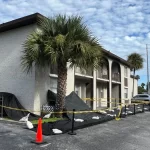
Temporary roof protection isn’t free and it’s critical. At Protect Preserve Roofing, tarp installation averages between $800 to $1,600 (based on roof pitch, access, height and extent of damage).
- We never recommend nailing or screwing tarps into the roof unless necessary.
- Sandbags, straps and proper weight distribution are the right approach in most cases.
- Improper tarp setups can void your insurance claim or damage the roof further.
How to keep costs under control
Here’s how smart property owners avoid roof sticker shock:
- Get your roof inspected before hurricane season.
- Don’t delay. Small leaks become expensive damage fast.
- Work with a licensed, local roofing company that understands Florida codes and insurance realities.
Quick reminder: Want a cost estimate that’s honest, local, and built around your specific building? Protect Preserve Roofing offers free inspections and detailed proposals.
Also read:
Choosing the Right Roofing System for Your Commercial Building
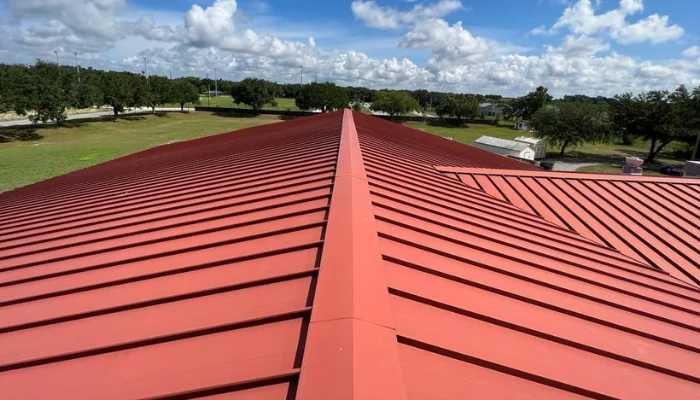
Picking a roof isn’t about luck. It’s about choosing the system that fits your building, your budget and your local weather. Use the table below to compare the most common commercial roofing systems:
| Roof Type | Lifespan | Cost per Sq. Ft. | Best For | Key Benefits | Possible Drawbacks |
| TPO | 15–25 yrs | $6.50–$9.50 | Flat/low-slope roofs in hot areas | Reflects heat, energy-efficient, lightweight | Seams may fail over time |
| EPDM (Rubber) | 20–30 yrs | $6.50–$9.00 | Budget projects, complex roof shapes | Affordable, flexible, solid UV resistance | Can absorb heat, black surface traps warmth |
| PVC | 20–30 yrs | $8.00–$11.50 | Restaurants, facilities with grease/chemicals | Handles chemicals well, strong seams | Higher cost, needs skilled install |
| Modified Bitumen | 20–25 yrs | $7.00–$10.00 | Older buildings, small commercial roofs | Layered durability, good with foot traffic | Can be heavy, more complex install |
| Metal Roofing | 30–45 yrs | $9.00–$12.00 | Industrial, long-term investment properties | Long lifespan, wind/fire-resistant, minimal upkeep | Higher upfront cost, needs proper insulation |
Repair or Replace?
Not every roof problem means you need a replacement. But not every repair is a good investment either.
Repairs are a good call if your roof still has years of life left and the damage is limited and isolated. You can likely repair it if:
- The leak is coming from one area, like around flashing or a drain.
- The rest of the roof is under 15 years old and in good shape.
- Storm damage affected just a portion of the roof.
- There’s no standing water, sagging or signs of deck damage.
However, you’re better off replacing the roof when:
- Leaks are recurring, even after repairs.
- You have blisters, cracks, or soft spots in multiple areas.
- Your roof is near or past its expected lifespan.
- Repairs have already been done more than twice in the same area.
- You’re seeing interior damage (stains, odors, mold).
- Your insurance starts to push back on claims due to roof age or condition.
Keep this in mind: A new roof adds value, improves energy efficiency and often reduces insurance premiums.
Common Mistakes to Avoid During a Commercial Roof Replacement
Unfortunately, many property owners (and even some contractors) rush the process, skip important steps or flat-out make bad calls that end up costing thousands later. Here’s what to look for:
- Choosing the cheapest bid: If a bid seems way lower than everyone else’s, something’s being left out or done wrong. Remember that what saves money today can cost double next year.
- Ignoring local building codes: Skipping code requirements can lead to insurance claim denials, city fines, failed inspections and full rework on your dime.
- Delaying the project too long: Waiting too long to replace a failing roof leads to mold, damaged drywall, ruined insulation, higher insurance premiums and unhappy tenants or customers.
- Poor roof drainage planning: Without proper drainage design, you’ll end up with ponding water, premature membrane failure and heavy structural stress on low-slope roofs. Good drainage is what separates a great roof from one that fails early.
- Nailing or screwing tarps into the roof: Some roofers still nail or screw tarps directly into the roof, but the right approach is weighted sandbags, straps or perimeter anchoring used only by trained installers.
- Not getting a full warranty in writing: Always make sure your roofing contract includes labor warranty, material warranty and workmanship clause. And yes, Protect Preserve Roofing provides everything in writing, crystal clear and signed.
- Not vetting the roofing contractor: Always check for proof of insurance, licensing in the state of Florida, local experience (Orlando-area projects) and recent references or photos of work.
Maintenance Tips to Extend the Life of Your New Commercial Roof
Even the best commercial roofing system needs basic upkeep if you want it to last as long as advertised or longer. The tips below will help you get the most out of your investment and avoid preventable repairs.
Schedule two inspections per year
One inspection in spring (after storm season) and one inspection in fall (before heavy rains or hurricanes). A pro should check:
- Seams, flashing, and drainage.
- Membrane or panel condition.
- Signs of ponding, sagging or cracking.
- Debris build up and clogged gutters.
Pro tip: After any major storm, schedule an extra check, even if there’s no visible damage.
Keep the roof clean and clear
Leaves, branches, trash and debris do more than look bad, they trap moisture, block drains and lead to rot. What to do:
- Remove debris monthly (or after a storm).
- Clear out all drains, gutters and scuppers.
- Keep nearby trees trimmed back to avoid falling branches.
Attention: Ponding water that sticks around for more than 48 hours? That’s a red flag.
Limit foot traffic
Roofs aren’t made for walking. Every extra boot adds stress to the surface and increases wear.
- Install designated walk pads if people need to access the roof often (for HVAC units, satellite, etc.).
- Make it clear: no unnecessary traffic.
Fix small problems fast
One cracked seam. One lifted edge. One loose flashing. It might seem minor now… until water slips in, insulation gets soaked and mold spreads inside your walls.
Act early.Repairs are always cheaper before the damage spreads.
Document everything
Insurance loves documentation. And so do future buyers.
- Take photos after every inspection or repair.
- Keep records of all work done (dates, scope, company).
- Track warranty details, including expiration dates.
This protects you if you ever file a claim and proves you’ve taken care of your building.
Work with the same roofer over time
Jumping from company to company sounds harmless, until no one knows your roof’s history. Sticking with a trusted roofing partner means:
- Better tracking of past issues.
- Familiarity with your system.
- Faster diagnostics.
- Fewer surprises over time.
Bottom line: Your new roof is strong, but it’s not invincible. A little effort now can add 5 to 10 years to your roof’s life and save you thousands on future repairs.
Conclusion: Commercial Roof Replacement – The Right Way
If you’ve made it this far, here’s what’s clear:
- Replacing a commercial roof isn’t guesswork.
- It’s a decision that involves timing, budget, materials, maintenance and trust.
- Done wrong, it becomes a money pit.
- Done right, it’s one of the smartest investments you can make in your property.
And getting it right? That starts with choosing the right partner. In Orlando and throughout Central Florida, commercial roofs face brutal sun, sudden downpours, hurricanes and sky-high humidity.
Protect Preserve Roofing knows this region, knows these buildings and knows what your insurance company will and won’t cover. We don’t guess, we guide, fix and follow through.
Our team shows up, inspects, explains and documents everything, so you’re never left in the dark. So, if your commercial roof is leaking, aging or just plain wearing out… don’t wait until damage forces your hand:
- Schedule a clear, honest and free roof assessment.
- Call us directly, we actually pick up the phone.
- Get an instant roof estimate.
Replace your commercial roof the right way, with the right people that inspect your roof, walk you through the options and show you how to protect your property without stress.
How do I know if I need to replace my commercial roof or just repair it?
A roof inspection can confirm whether repairs are worth it — or just delaying the inevitable.
What is the average cost to replace a commercial roof in Florida?
For a 10,000 sq. ft. building, expect to invest between $65,000 and $120,000.
How long do commercial roofs last in Florida?
TPO / PVC / EPDM: 15–30 years
Modified Bitumen / BUR: 20–30 years
Metal roofing: 30–45 years
Florida’s heat, storms, and humidity can reduce those numbers without regular maintenance.
How can I make my new commercial roof last longer?
Get biannual inspections (spring + fall)
Clear debris and check drains regularly
Limit foot traffic
Fix small issues fast
Stick with the same roofing partner for better tracking
Protect Preserve Roofing offers maintenance plans to help you protect your investment year after year.


Leave a Reply