




Finding the best roofing company in Orlando isn’t just about hiring a crew, it’s about protecting your home, your family and your long-term investment. Did you know that Florida ranks among the top five U.S. states with the highest number of roofing insurance claims? According to the Insurance Information Institute, a lot of Florida homeowners file a roofing claim within ten years of ownership.
However, with dozens of companies claiming to be the best, how do you know which one to trust?
If you live in Orlando or anywhere in Central Florida, this guide is crafted specifically for you. We’ve analyzed local providers, real customer experiences and industry certifications to bring you a data-driven, experience-backed roadmap to choose the right roofing contractor without regrets.
Whether you’re dealing with storm damage, planning a full roof replacement or just curious about the best local options, you’re about to discover what truly sets the top roofing companies in Orlando, FL apart.
What Makes a Roofing Company the “Best” in Orlando?
What separates the best from the rest in a place like Orlando, where heat, storms and insurance fine print are always in play? Let’s break it down.
Licensed, insured and verified
If a roofer doesn’t hold a Florida license and proof of insurance, stop the conversation. Why? Because if something goes wrong during the job, you could be held liable. And yes, that includes injuries on your property. Always ask for:
- State of Florida roofing contractor license.
- General liability insurance.
- Workers’ compensation coverage.
A real pro won’t flinch when you ask for these. They’ll hand it over before you finish the sentence.
Experience with Florida’s roofing realities
Installing a roof in Florida is not the same as in Ohio or Oregon. We’re dealing with:
- Scorching sun.
- Hurricane-force winds.
- Heavy rainfall.
- Strict building codes.
The best roofing companies in Orlando know this terrain. They’ve replaced roofs after hurricanes. They understand the local permitting process, and they know exactly what kind of materials survive better under a 100-degree sun followed by a sideways rainstorm.
Proven track record
Sure, online reviews matter. But the best roofing companies in Orlando have more than just 5 stars on Yelp. They have:
- Case studies showing before-and-after results.
- Client testimonials with real names and real houses.
- Photos that aren’t stock images.
- Years of local operation.
Certified materials and techniques
The best roofing company in Orlando don’t cut corners; they install certified products using approved methods. Whether it’s architectural shingles, metal roofing or tile, they follow the manufacturer’s specifications to the letter.
Why does that matter? Because skipping steps voids warranties and if a storm hits, you don’t want your insurance claim denied because the roof wasn’t installed properly.
Respect for your property and time
You want a company that:
- Shows up on time.
- Cleans up thoroughly.
- Communicates clearly.
- Keeps the job moving.
Nobody wants to chase a roofer who ghosts after collecting the deposit. The best roofers keep you updated every step of the way, from first quote to final inspection.
Human support you can reach
When your roof is leaking at 7 a.m. on a Saturday, an FAQ page won’t cut it. The best roofing company in Orlando? They answer the phone, respond to texts and show up.
They don’t treat you like a number, but remember your name, your address and how many kids you said you had running around. It’s small stuff, but it builds trust fast.
Quick reminder from Protect Preserve Roofing: The best roofing company in Orlando don’t just install. They educate. They’ll explain when a tarp is necessary, what not to do (like nailing tarps into your roof) and how to handle your insurance claim without shooting yourself in the foot.
Top-Rated Roofing Companies in Orlando, FL
Every company says they’re the best. That’s the easy part. What really matters is proof: real results, happy customers and no surprises when it’s time to pay the bill. So, let’s look at what separates the top-rated roofing companies in Orlando from the rest.
How we evaluate the best roofing companies
Here are the key factors homeowners care about most and what we used to build this comparison:
- Proper state licensing and insurance.
- Years of experience in Central Florida.
- Consistent customer service quality.
- Verified reviews from local residents.
- Clear, honest pricing and written estimates.
- Speed and safety when installing tarps.
- Willingness to help with insurance-related questions.
If a roofing company falls short in any of these, it doesn’t belong on your shortlist.
What do the top performers have in common?
Here’s what we noticed about the top-rated roofing companies in Orlando:
- Most have A+ ratings with the BBB and 4.7+ stars on Google.
- They offer licensed crews, carry proper insurance, and don’t hire random subcontractors.
- They don’t guess, they inspect, diagnose, and explain everything before giving a quote.
- They use certified materials and follow correct installation methods.
- They’re ready to take your call, even during storm emergencies.
How Protect Preserve Roofing stands out
Protect Preserve Roofing checks every one of the boxes above and then some. Here’s how we raise the bar:
- Fast tarp installations using safe, insurance-approved methods (no nailing unless it’s necessary).
- We know that wet roofs often aren’t covered by insurance, so we act fast to prevent costly denial.
- Full transparency in pricing: tarp installations typically range from $800 to $1,600, depending on damage, height and pitch.
- Real communication, no ghosting. You get updates, not excuses.
- Local crews that show up on time and respect your property.
A tip from experience: Cheaper isn’t always better. What looks like a good deal today could cost you more when your ceiling caves next week or when your insurance denies your claim because the work was rushed. The best roofing company in Orlando won’t just fix your roof. They’ll help you avoid future headaches. That’s why local reputation and follow-through matter more than flashy ads.
How to Choose the Best Roofing Company in Orlando
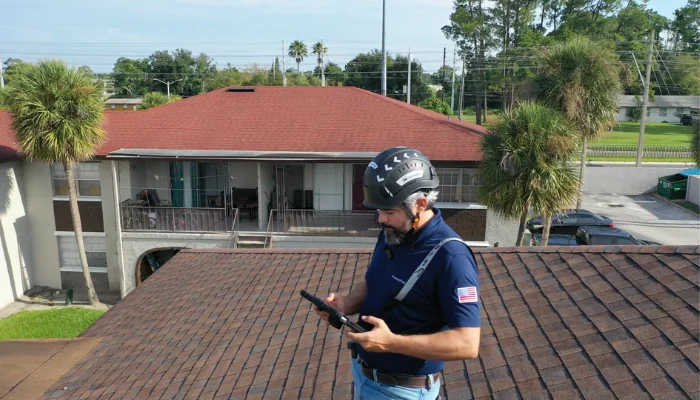
Hiring a roofer can feel like gambling with your wallet and your ceiling. One wrong pick and you’re chasing people down after they “forgot” to finish the job.
So how do you pick the right one? Here’s a step-by-step guide that’s short, clear and built on what matters to homeowners in Orlando and Central Florida.
Step 1: Check their license and insurance
No license? No deal. Every legitimate roofing company in Florida must be licensed with the state. If they can’t prove that, walk away. You also want proof of:
- General liability insurance.
- Workers’ compensation coverage.
Why it matters: If someone gets hurt on your property and the company isn’t covered, you could be the one footing the bill.
Step 2: Ask if they’ve worked in your area
You don’t want someone learning how to deal with Florida’s weather on your roof. Ask:
- “Have you done jobs in my ZIP code?”
- “Are you familiar with the local HOA or city permitting office?”
- “How do you handle hurricane prep and insurance paperwork?”
The best roofers already know your neighborhood, code requirements and common roof issues in Central Florida.
Step 3: See how they handle communication
From the first call or text, pay attention:
- Do they answer quickly?
- Do they show up when they say they will?
- Are they clear about costs and steps?
If they’re flaky before the job, imagine how they’ll be once they’ve got your money. No one wants ghost-roofers.
Step 4: Ask for real reviews
Online ratings are helpful, but they’re not everything. Ask for:
- Real before-and-after photos.
- Contact info from past clients (some are happy to share).
- Examples of similar jobs they’ve completed recently.
Bonus: Check their name in Reddit threads, BBB and Google Maps. See what real locals are saying.
Step 5: Ask about tarps, insurance and wet roofs
If your roof gets wet after a storm, your insurance is probably not going to cover the repair, especially if you didn’t protect it fast enough. That’s why a legit company will:
- Offer fast tarp installation (done right — no nails unless it’s absolutely needed).
- Explain what your insurance is likely to deny or accept.
- Never do work that risks your coverage.
Protect Preserve Roofing is known for helping homeowners avoid these traps and educating, not upselling.
Step 6: Demand clear pricing
A proper quote should show:
- What’s being fixed or replaced.
- What materials will be used.
- How long will the job take.
- Total cost, no hidden surprises.
If they can’t put it in writing, it’s not a real quote. If they offer a tarp install for $250, run. That’s not realistic. Standard tarp installs range from $800 to $1,600, based on size, slope and safety needs.
Services Offered by Certified and Best Roofing Company in Orlando
Here’s the breakdown. Just real services that solve real problems for homeowners across Orlando and Central Florida.
Full roof replacement
When a roof is too damaged or just plain old, patching isn’t enough. A certified roofing company will:
- Tear off the old roof properly.
- Check the wood decking underneath.
- Install new materials (shingles, metal or tile) by the book.
- Use manufacturer-approved techniques to maintain your warranty.
They’ll also explain why you need it and not push for replacement if a repair will do.
Roof repairs
Not every leak means disaster. A certified crew knows how to:
- Track down hard-to-find leaks.
- Replace broken or missing shingles.
- Seal flashing around vents, chimneys and skylights.
- Handle storm damage quickly, before it spreads.
Important: A real pro will never tell you to “wait and see” after storm damage. That’s how insurance claims get denied.
Emergency tarp installation
After a storm, your roof might need immediate covering. Certified companies offer safe, insurance-friendly tarp installation, which means:
- No nails or screws directly into the roof (unless necessary).
- Use of sandbags, weighted edges and proper sealing.
- Fast response to avoid further water damage.
Most tarp installations cost between $800 and $1,600, depending on your roof’s height, size and pitch.
Roof inspections
Whether you’re buying a house, filing an insurance claim or just want peace of mind, inspections are key. Certified roofers offer inspections that check:
- Overall condition.
- Signs of past leaks or hidden damage.
- Potential future issues.
- Storm-readiness.
Some even offer wind mitigation reports, which may save you money on your insurance premiums.
Storm damage assessment and insurance help
Storm just hit? Don’t panic. Certified companies will:
- Inspect your roof and document the damage.
- Help you understand what your policy covers.
- Recommend next steps without pushing unnecessary work.
And no, they won’t say, “Just file a claim and we’ll see what happens.” That’s not helpful. A real pro guides you through it.
Roof cleaning and maintenance
Not every issue needs a hammer. Some just need a little elbow grease. Services may include:
- Removing debris.
- Cleaning algae or mildew.
- Clearing gutters.
- Re-sealing weak points.
This kind of maintenance helps your roof last longer and makes your house look like someone lives in it.
Residential and light commercial work
While Protect Preserve Roofing focuses mainly on homes, many certified companies also handle:
- Townhomes.
- Duplexes.
- Small offices.
- Retail spaces.
The important part? They know how to handle Florida building codes and HOA rules that apply to both.
Quick reminder from Protect Preserve Roofing: A certified and best roofing company in Orlando should offer clear services with clear pricing, tell you when something doesn’t need fixing, use proper materials and methods and help you avoid costly insurance mistakes.
Residential vs. Commercial Roofing: What’s the Difference?
While residential and commercial roofing keep water out and your structure standing, the way they’re built, and how they’re maintained, can be very different.
If you’re a homeowner wondering why prices, timelines or materials vary so much, this simple table clears it up:
| Feature | Residential Roofing | Commercial Roofing |
| Building Type | Houses, townhomes, duplexes | Warehouses, offices, retail centers |
| Roof Design | Steep slope (pitched) | Low slope or flat |
| Materials Used | Shingles, tiles, metal panels | TPO, EPDM, modified bitumen, metal |
| Size | Smaller (1,500–4,000 sq. ft. average) | Larger (5,000+ sq. ft. common) |
| Drainage System | Simple gutters and downspouts | Internal drains, scuppers or custom drainage |
| Installation Time | 1 to 3 days (on average) | Several days to weeks (depending on complexity) |
| Crew Needed | Smaller team (3–6 people) | Larger crews and more equipment |
| Permits & Inspections | Local residential building codes | More complex regulations and safety requirements |
| Maintenance | Seasonal or after storms | Regularly scheduled, often with contracts |
| Common Issues | Leaks, shingle damage, algae growth | Ponding water, membrane cracks, equipment leaks |
So, if you’re a homeowner, you’re likely dealing with:
- Steep pitches.
- Asphalt shingles or tile.
- Fast turnaround expectations.
- Insurance concerns for storm coverage.
- Emergency tarp installs (which need to be done right, not nailed in).
If you’re managing a commercial property, expect:
- Flat roof systems.
- Extended timelines.
- More technical inspections.
- Specialized drainage solutions.
- Long-term service contracts.
Quick reminder: Some companies say they do both but specialize in either. The best roofing companies in Orlando, like Protect Preserve Roofing, know when a job needs residential precision or commercial scale.
The Most Trusted Roofing Materials for Florida’s Climate
Florida’s weather isn’t just hot, it’s aggressive. We’re talking about intense heat, tropical storms, humidity and the occasional flying lawn chairs. Your roofing material must handle all that without breaking down, leaking or looking like a disaster after one bad season.
So, what actually works in Florida? Here’s a breakdown of the most trusted materials used by certified and best roofing company in Orlando and beyond.
Architectural asphalt shingles
Why it works: They’re affordable, easy to install and look great in most homes.
Best for: Traditional homes with pitched roofs. Great option for homeowners who want a solid roof without blowing the budget.
Pros:
- Rated to withstand high winds (up to 130+ mph when installed correctly).
- Come in lots of colors and styles.
- Lower cost than tile or metal.
- Easy to replace damaged sections.
Cons:
- Shorter lifespan (typically 15–25 years).
- They can become brittle over time under strong sun exposure.
Metal roofing (steel or aluminum panels)
Why it works: Florida loves metal roofs and for good reason. They’re durable, efficient and don’t mess around in high winds.
Best for: Homes in hurricane-prone zones or those needing long-term value.
Pros:
- Can last 40–70 years.
- Excellent wind resistance.
- Reflects heat, helping lower cooling bills.
- Low maintenance.
Cons:
- Higher upfront cost.
- It can be noisy in heavy rain without proper insulation.
Fun fact: Some metal roofs withstood Hurricane Ian with zero damage and that’s not marketing, that’s from insurance reports.
Clay and concrete tile
Why it works: They’re built for hot, sunny climates and give homes a classic, high-end look.
Best for: Spanish or Mediterranean-style homes. Also common in upscale communities with HOA standards.
Pros:
- Extremely durable (50+ years).
- Fire-resistant.
- Excellent heat resistance.
- Visually impressive.
Cons:
- Very heavy, may need extra roof support.
- Expensive.
- Fragile under foot traffic (watch those Christmas light installations).
Modified bitumen and flat roof systems
Why it works: For certain homes and most commercial buildings, flat roof systems are necessary. These materials are waterproof, UV-resistant and built for Florida-style abuse.
Best for: Flat or low-slope roofs, often seen in commercial properties, modern homes or rear patio extensions.
Pros:
- Waterproof.
- Withstands pooling water.
- Often comes with long warranties covers.
Cons:
- Needs professional installation and sealing.
- Maintenance required to avoid issues from debris or punctures.
Real advice from Protect Preserve Roofing: If you want long-term durability, go metal; if you want affordable and decent protection, go architectural shingles. However, if you want looks and longevity, go tile or if you’re dealing with flat surfaces, stick to what works: modified bitumen or a sealed flat roof membrane.
Warranty, Insurance and Permits
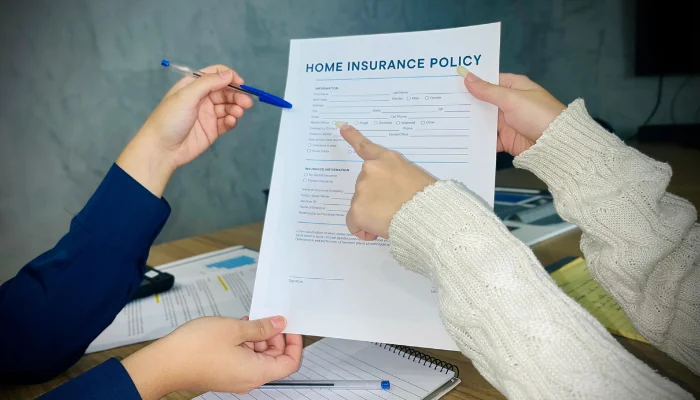
A roof isn’t just a big investment; it’s one that comes with paperwork. Skip the fine print, and you could be stuck with a leak, a denied insurance claim or even a fine from the city. Here’s what every Orlando homeowner needs to know before signing anything.
Warranties
Not all warranties are created equal. There are usually two types:
- Manufacturer warranty: This covers the roofing material shingles, metal panels, tiles, etc. If the product fails (cracks, curls or deteriorates early), the manufacturer pays for replacement materials. Sometimes warranties cover labor, but not always.
- Workmanship warranty: This is from the roofing company. It covers installation errors, the kind that show up after a big rain or storm. If the leak happens because something wasn’t sealed right, this is what protects you.
Smart tip: Always ask how long the workmanship warranty lasts. Reputable companies offer 5–10 years minimum.
Insurance
Florida insurance policies can be tricky. Many homeowners assume their insurance automatically covers roof damage, but that’s not always true, especially if:
- The damage is due to lack of maintenance.
- The roof is over 15 years old.
- Water got in because the roof wasn’t covered quickly (with a tarp, for example).
What should your roofer do:
- Install a tarp the right way, no nails or screws unless absolutely necessary.
- Help you document damage properly.
- Explain what your insurance likely will and won’t cover.
Reminder: Most tarp installations cost $800 to $1,600, depending on the roof’s slope and severity. Trying to go cheap can backfire if the job is done wrong and your claim gets denied.
Permits
In Orlando and most of Central Florida, roof work requires a city permit. That includes:
- Full roof replacements.
- Large-scale repairs.
- Structural changes.
Why it matters:
- Working without a permit can lead to city fines.
- It can void your homeowner’s insurance if they find out.
- It makes it harder to sell your house later (a red flag during inspection).
Quick reminder: Protecting your home isn’t just about the roof. It’s about making sure everything around that roof is in place. The best roofing companies handle it all, so you don’t end up chasing down city forms or fighting your insurance provider later. Protect Preserve Roofing walks you through every step, no guessing, no loopholes, no hidden costs.
Conclusion: Best Roofing Company in Orlando and Central Florida – We Come to You
If you live in Orlando or anywhere in Central Florida, you don’t have to search far for reliable roofing help, we’re already in your neighborhood.
From Kissimmee to Apopka, from Lake Nona to Altamonte Springs our crews are out there every day, fixing leaks, installing tarps and replacing roofs the right way.
Why homeowners trust Protect Preserve Roofing? Because we:
- Don’t nail tarps unless there’s no other option your insurance matters.
- Explain things in plain English, no fine print games.
- Know what it’s like to deal with water pouring through the ceiling.
- Helped families recover quickly after storms.
- And yes, we’ll come to your house, no matter which corner of Central Florida you’re in.
Whether your roof needs a simple patch or a full replacement, we make the process clear, honest and stress-free. That’s the standard of service we live by.
If you’re in Orlando or Central Florida and need a roofer you can actually count on, give us a call:
- Ask about our emergency tarp service.
- Schedule a clear, honest and free roof assessment.
- Call us directly, we pick up the phone.
- Get an instant estimate for a commercial roof replacement.
Don’t wait for the next storm or another “surprise” leak. Let’s take a look at your roof before it becomes a bigger (and more expensive) problem.
Do I need a permit to repair or replace my roof in Florida?
Hiring a certified company means they’ll handle the permit process for you. If someone tells you to “pull your own permit,” that’s a red flag.
What’s the best roofing material for Florida homes?
Architectural shingles – Good balance of price and protection
Metal roofing – Long-lasting, wind-resistant, ideal for storms
Tile roofing – Beautiful and durable, but more expensive and heavy
A certified roofer can walk you through your options based on your location, HOA rules, and insurance needs.
How fast can someone come out for an emergency roof issue?
Will my homeowner’s insurance cover roof damage after a storm?
If your roof was already leaking, or if you didn’t act quickly (like installing a tarp), your insurer might deny the claim. Florida policies often have strict guidelines. That’s why fast response and proper documentation are key. Protect Preserve Roofing helps with both.


Leave a Reply