



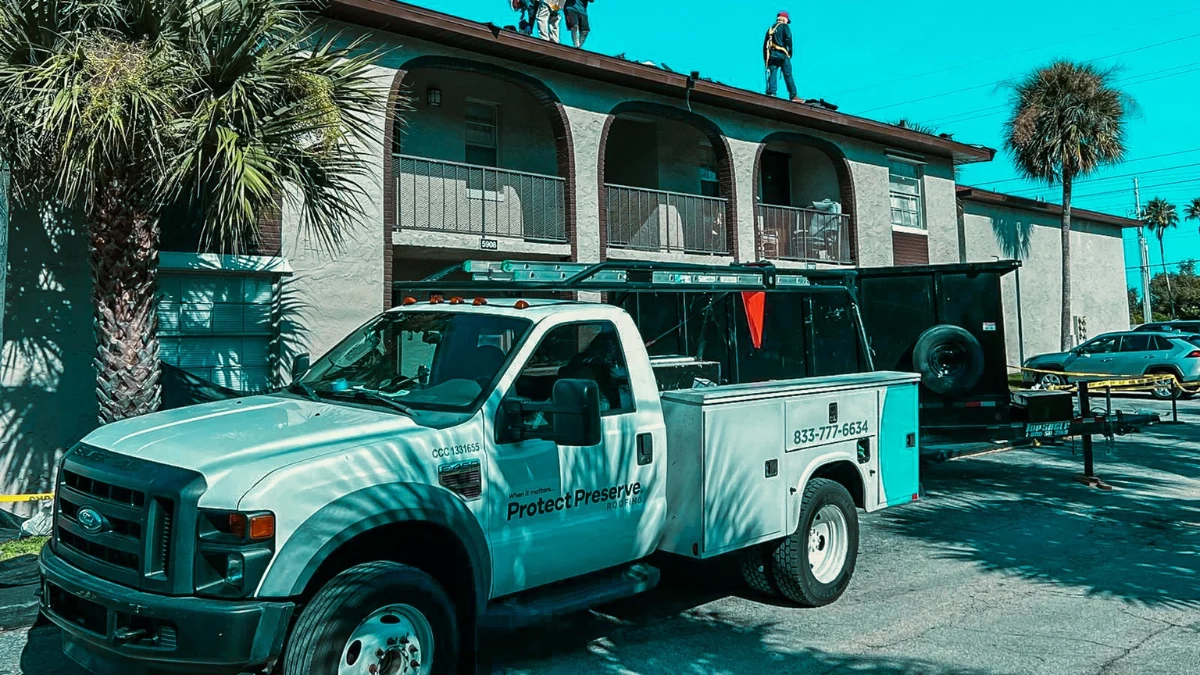


Licensed roofer Orlando isn’t just a smart move, it might be the only thing standing between you and a denied insurance claim after the next big storm.
Florida saw over 42,000 roofing-related insurance claims in the past year. A large portion of them? Rejected and not because of storm damage, but due to unlicensed or improperly documented work. That’s not a risk most homeowners are willing to take twice.
So, would your current roofer pass the test when it matters most?
Whether you’ve already dealt with roof damage, or you’re trying to avoid an insurance nightmare, this guide will walk you through exactly what to look for when choosing a licensed roofing contractor in Orlando or anywhere across Central Florida.
Let’s break it down what makes a roofer “licensed” in Florida and how do you know they’re legit.
What Does “Licensed Roofer in Orlando” Actually Mean?
A licensed roofer in Orlando is a contractor who passed state requirements to legally work on your roof. That means proper exams, verified insurance, background checks and registration with Florida’s Department of Business and Professional Regulation (DBPR).
Keep in mind that anyone can buy a ladder and say they fix roofs. That doesn’t make them legal.
Florida’s roofing license: the basics
Florida requires a Certified Roofing Contractor (CCC) license. Without it, roofers can’t pull permits, can’t work on insurance-covered jobs, and shouldn’t touch your property. A licensed roofing contractor in Orlando has:
- Passed a state exam on roofing systems and building codes.
- Proven financial stability and insurance coverage.
- Cleared background checks.
- Registered their business with the state.
- Been approved to operate legally in all cities and counties in Florida.
You can check any roofer’s license at: www.myfloridalicense.com
What happens if you hire an unlicensed roofer?
A lot can go wrong, and fast:
- You could lose your homeowner’s insurance coverage if the work is unpermitted.
- Your roof warranty may be voided.
- The work might not meet building code.
- If someone gets injured on your property, you’re liable.
And here’s the catch: Even if the job looks good today, a bad install can start leaking months later. At that point, you’re stuck paying for repairs out of pocket because the roofer vanished and your insurer won’t touch it.
Licensed roofers = accountability
A licensed roofer in Orlando isn’t just ticking boxes. They’re bound by:
- State laws.
- Local inspections.
- Code compliance.
- Insurance carrier requirements.
That means when Protect Preserve Roofing shows up at your door, you’re protected by more than just a handshake. You get documented work, filed permits and a crew that knows what the rules are – and why skipping them costs more later.
Why Hiring a Licensed Roofing Contractor in Orlando, FL Matters
Hiring a licensed roofing contractor in Orlando, FL, means you’re covered from day one. Not just with tools and materials, but with documentation, legal backing and peace of mind.
You have to keep in mind that, in Florida, roof work requires a city permit. That includes repairs, replacements and structural changes.
Unlicensed roofers can’t pull permits. So, what do they do? They skip it. Or worse: they ask you, the homeowner, to pull one on their behalf. That’s illegal. And it makes you the one liable if anything goes wrong.
A licensed roofing contractor handles all of this for you:

- Applies for the permit.
- Schedules the city inspection.
- Builds everything to code.
- Passes inspection, on record.
No permit = no inspection = no legal protection.
Insurance companies ask for proof
After a storm, your insurance adjuster will want proof:
- Was the roofer licensed?
- Was the work permitted?
- Did the roofer follow Florida building codes?
If the answer is no, your claim can be denied. Even worse, pre-existing roof issues can void future coverage entirely.
Licensed roofing contractors in Orlando, like Protect Preserve Roofing, don’t just fix your roof, they protect your insurance rights.
Licensed roofer Orlando follow code
Florida has some of the strictest roofing codes in the country, especially in storm zones like Orlando and Central Florida. Code requires:
- Wind mitigation standards.
- Specific fastening patterns for shingles and underlayment.
- Proper ventilation.
- Water barrier protections.
A licensed roofer is tested on these. An unlicensed roofer? They might just wing it.
Real training, liability and responsibility
Being licensed isn’t just about passing an exam. It means:
- Carrying proper liability and workers’ comp insurance.
- Being traceable through the DBPR.
- Providing warranties that hold up in court.
If a worker falls off your roof and the contractor is unlicensed, you could get sued. That’s not drama, it’s Florida law.
Bottom line: Roof repairs aren’t a favor, they’re a legal, structural and financial matter. When you hire a licensed roofing contractor in Orlando, FL, you’re not just buying shingles. You’re buying proof, protection and professionalism.
How to Verify a Florida Roofing License: Step-by-Step
If you want to avoid headaches down the road, you need to check the license yourself. The good news? It takes less than 2 minutes and doesn’t cost a thing. Here’s exactly how to do it:
- Step 1: Go to the official Florida license website: Open your browser and go to www.myfloridalicense.com. This is the Florida Department of Business & Professional Regulation (DBPR), the only source that matters when it comes to licensing in this state.
- Step 2: Click “verify a license”: Right on the homepage, you’ll see a link that says, “Verify a License”. Click it – it takes you to the search tool.
- Step 3: Enter the roofing company name or license number: You can search by business name (example: Protect Preserve Roofing), contractor’s last name (if it’s an individual license) or license number (if provided). Make sure you spell it right. The system is sensitive to typos.
- Step 4: Confirm the license type and status: Once you find the company, you’ll see license type, status, expiration date and disciplinary actions. If you don’t see them listed, or the license is inactive, walk away.
Bonus tip from Protect Preserve Roofing: Ask for their license number in writing. Every legit contractor will have their license number printed on business cards, estimates, contracts and website footer. If they won’t give it to you in writing… that’s all you need to know.
Services You Can Expect from a Licensed Roofer in Orlando
A licensed roofer does more than climb ladders. They protect your home, your finances and your peace of mind. Here’s what that actually looks like in practice:
- Roof repairs: Florida weather isn’t kind to roofs. From hurricanes to heavy sun, damage is almost guaranteed at some point. A licensed roofer offers:
- Leak detection and repair.
- Shingle replacement.
- Flashing fixes.
- Emergency tarping (done the right way, no nails unless necessary).
- Roof replacement: When a roof has reached the end of its life, a licensed roofer can:
- Remove the old system.
- Inspect decking and underlayment.
- Install a new roofing system built to code.
- Register warranties for material and labor.
- Emergency roof tarp installation: When your roof gets damaged by wind, tree limbs, or flying debris, it must be covered quickly. Licensed roofers know how to:
- Secure a tarp without damaging the structure.
- Use sandbags and anchor points, not nails (unless there’s no safe alternative).
- Document the tarp for insurance submission.
- Bill in line with Florida claim practices (Protect Preserve Roofing installs tarps ranging from $800 to $1,600, depending on conditions).
- Permit management and inspection scheduling: A licensed contractor pulls the permit, schedules the inspection, meets the inspector on-site and handles any corrections if needed.
- Insurance claim assistance: Licensed roofers help document the damage with photos, written assessments, measurements and repair estimates formatted for insurance adjusters.
- Roof inspections: Whether you’re buying, selling or just doing preventive maintenance, licensed roofers offer full inspections with written reports, often required by insurers or real estate agents.
- Residential and commercial roofing: Licensed roofers are certified to work in single-family homes, townhouses, condos, apartment buildings, warehouses, offices and retail centers.
Bottom line: If your roofer only offers a quote and a promise, they’re missing half the job.
A licensed roofer in Orlando delivers service, support and structure, not just shingles.
Emergency Roof Tarp Installation by Licensed Professionals
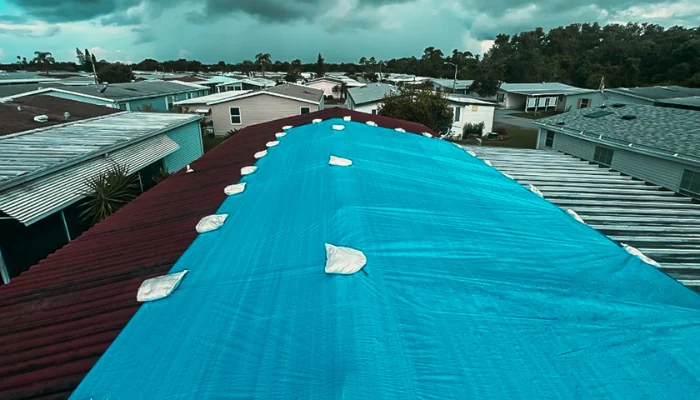
A sudden leak. A fallen branch. A storm that didn’t show mercy. When that happens, your roof has one job, protect everything underneath. And if it’s damaged? You don’t have time to guess what to do next.
You need a tarp. Installed fast. Installed right. And installed by a licensed roofing contractor who knows the risks of doing it wrong.
The right way to install a roof tarp
There are two ways to install a tarp:
- The fast, sloppy way (nails everywhere, zero documentation).
- The licensed, insurance-safe way, the way Protect Preserve Roofing does it.
Here’s what you get with a professional tarp installation:
- Tarp secured using sandbags, anchors, or batten boards, no unnecessary damage to your roof.
- No nailing or screwing into shingles, unless your pitch is so steep that no other method will hold.
- Visual documentation for your insurance claim.
- On-site crew that understands Florida code and safety standards.
- Pricing based on real conditions: between $800 and $1,600, depending on damage, pitch, height and access.
What happens if you nail a tarp into the roof?
You might think it’s fine… “just a few nails”. However, what really happens is:
- Void your insurance claim.
- Create new entry points for water.
- Damage the roof even more, especially if it wasn’t that bad to begin with.
In most cases, insurers won’t pay to fix that damage, and they’re not wrong. If the tarp was done poorly, that’s on you, not the storm.
Licensed roofer Orlando understand insurance requirements
Emergency tarp installation isn’t just about covering the hole. It’s about protecting your home, claim and wallet.
Licensed contractors know what adjusters look for. They install tarps with insurance documentation in mind, not just a quick patch.
Protect Preserve Roofing insight: The sooner you get a tarp on; the less damage rain can do. We offer same-day emergency tarp service across Orlando and Central Florida, especially after storms when timing matters most. No waiting, just licensed professionals doing the job right.
Insurance, Permits and Warranties
Roofing isn’t just about tools and shingles. It’s paperwork, compliance and it’s making sure your insurance doesn’t leave you high and dry when you need it most. A licensed roofing contractor in Orlando handles all of this for you, the right way. Let’s take a look.
Permits
In Florida, almost every roofing job needs a city or county permit. This includes:
- Full roof replacements.
- Major repairs.
- Structural changes.
- Emergency tarping in some cities.
Licensed contractors can pull permits directly. They know which ones you need, how to get them fast and how to schedule and pass inspections.
Unlicensed contractors can’t do this and if they ask you to “pull the permit yourself,” that’s a red flag.
Insurance claims
Insurance adjusters don’t like guesswork. They want:
- Proof of damage.
- Photos of the site.
- Itemized repair quotes.
- Legal permits.
- Contractor license information.
If your roofer doesn’t document everything, your claim could be denied, even if the damage was covered. You need proof.
Warranties
You get two types of warranties with a licensed roofer:
- Manufacturer Warranty – Covers the roofing materials.
- Workmanship Warranty – Covers the labor and installation.
Most manufacturers won’t honor their warranty if the installer isn’t licensed. And neither will a judge, if it ever comes to that.
Licensed contractors register your warranty properly, with paperwork and project documentation.
Unlicensed roofers? They might give you a “verbal promise” but try finding them two years later when that roof starts leaking.
Questions to Ask Before Hiring a Licensed Roofer Orlando
Before someone climbs onto your roof, you need real answers. This is your home, your money and maybe your insurance payout on the line. Ask the right questions and you’ll avoid the wrong people. Here’s what to ask:
- What’s your Florida roofing license number? Every legit roofing contractor in Orlando should know their license number by heart and be able to show it in writing.
- Do you carry general liability and workers’ comp insurance? If a roofer gets hurt on your property and isn’t covered, you could get sued. Same goes for damage to your house during the job. Ask for a current certificate. Real pros won’t mind.
- Will you pull the required permits? In Florida, roof work usually needs a permit. Only licensed contractors can pull them. If they say you don’t need one, or that you should pull it yourself, that’s a problem.
- Do you offer a workmanship warranty? If your roof fails because of bad installation, you need to know they’ll fix it without charging you again. Ask how long the warranty lasts and what it covers.
- How do you handle tarp installations after storm damage? A bad tarp job can void your insurance claim. Nails through shingles = water entry + denial from your insurer. Protect Preserve Roofing installs tarps without nails unless absolutely required and always documents the work.
- Can I see recent reviews or project photos from local clients? Any solid roofer should have proof of happy customers. Look for photos (before and after), quotes or video testimonials and reviews from homeowners in Orlando or Central Florida.
- How do you help with insurance claims? Licensed roofers aren’t adjusters, but they can help you get approved faster. Ask if they provide written damage reports, submit photos and estimates and communicate directly with your adjuster.
- Who will be doing the work, your crew or subcontractors? You want to know who’s showing up at your door. A licensed roofer should use trained, insured teams, not mystery subs with no oversight.
Bottom line: Don’t just ask if they’re licensed. Ask how they work, how they protect you and how they prove it. The right roofer will answer every question with confidence. And if it’s Protect Preserve Roofing, we already have the answers ready.
Conclusion: Live in Orlando or Central Florida? We Come to You
You’ve made it this far, so let’s keep it simple: If you’re in Orlando or anywhere in Central Florida, Protect Preserve Roofing is already working in your neighborhood.
From Lake Mary to Kissimmee, Winter Garden to Sanford, our licensed crews are on roofs every day, repairing damage, installing protective tarps, pulling permits and helping homeowners stay ahead of Florida’s brutal weather.
We don’t wait for disaster to strike. We help you prepare, respond, recover and more:
- Pull the correct permits.
- Install tarps the right way without unnecessary nails.
- Handle inspections.
- Guide you through insurance claims.
- Work with licensed crews only, no random subs.
- Show up when we say we will.
- And we back our work with real warranties, not handshakes.
If you’re dealing with storm damage, worried about your roof or just want a second opinion before hiring anyone, we’ll come to you. Just:
- Schedule a clear, honest and free roof assessment.
- Call us directly, we actually pick up the phone.
- Get an instant roof estimate.
Remember: You don’t need a roofer who disappears after the first storm. You need one who answers the phone and shows up at your door with a plan. That’s us.



Leave a Reply