



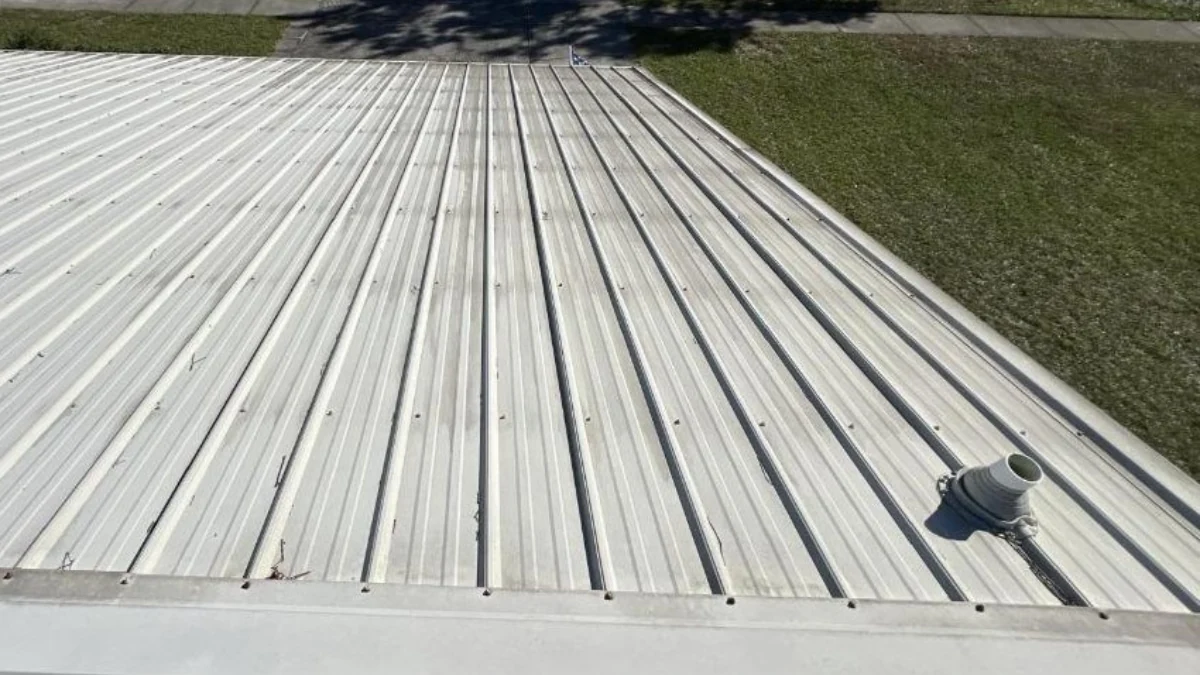


The best type of metal roof isn’t the same for every homeowner, it depends on cost, lifespan and how well it stands up to your climate. According to the Metal Roofing Alliance, metal roofing now makes up more than 15% of residential roofs in the U.S., a number that keeps growing every year. Why? Because homeowners are realizing that a metal roof is more than just a stylish upgrade. It’s protection that can last decades longer than asphalt.
However, here’s the challenge: with so many options, how do you know which one is right for your home? Have you ever wondered if paying more upfront for copper or zinc is worth it or if aluminum is the smarter choice for a coastal property?
Don’t miss this opportunity to understand the real differences. In this guide, you’ll learn which type of metal roof lasts the longest, how much each option typically costs, which metals perform best in tough climates like Florida and the pros and cons of popular choices explained in plain language.
By the end, you’ll be able to look past the sales pitches and know exactly which metal roofing option protects your home, fits your budget and gives you peace of mind for decades.
Table of contents
What Is the Best Type of Metal Roof?
The best type of metal roof depends on what matters most to you: cost, strength or lifespan. Metal roofs are not all the same. Steel, aluminum, copper and zinc each bring different advantages to the table.
For most homeowners, steel is the most popular choice because it’s affordable and strong. Aluminum is the go-to option in coastal areas since it resists salt corrosion. Copper stands out for its beauty and its ability to last more than 80 years, but it comes with a high price tag. Zinc, while less common, offers self-healing properties that repair small scratches over time.
Metal roofs can last two to three times longer than asphalt shingles, making them a smart investment if you plan to stay in your home long-term. Still, the “best” choice shifts based on your climate, budget and how long you want the roof to last.
Pros and Cons of Different Metal Roofing Materials
Each type of metal roofing material comes with strengths and weaknesses. Knowing both sides helps you decide which option works best for your home.
- Steel roofing
- Pros: Affordable, durable, widely available, can be coated for added protection.
- Cons: Prone to rust if the coating wears off, may dent in heavy hail.
- Aluminum roofing
- Pros: Excellent resistance to salt corrosion, lightweight, low maintenance.
- Cons: Higher cost than steel, softer metal that dents easier.
- Copper roofing
- Pros: Extremely long lifespan (80–100 years), beautiful natural patina, recyclable.
- Cons: Very expensive, patina color may not appeal to everyone.
- Zinc roofing
- Pros: Self-healing properties that reduce visible scratches, eco-friendly, can last 60–100 years.
- Cons: High price point, limited availability in some regions.
- Tin roofing
- Pros: Historic material, lightweight, easy to install.
- Cons: Rarely used today, less durable than modern metals, requires frequent maintenance.
Bottom line: There’s no “perfect” metal roof for everyone. Steel and aluminum balance cost and performance. Copper and zinc offer premium durability for those who see the roof as a long-term investment. Tin is now more of a niche or historical choice.
Steel Roofing: Affordable and Strong
Steel is the most widely used type of metal roof and for good reason. It offers a balance of strength, affordability, and availability that makes it attractive to most homeowners. Here’s why homeowners choose steel:
- Cost-effective: usually the cheapest entry point into metal roofing.
- Durable: can handle high winds, hail and heavy rain.
- Versatile: available in many colors and styles.
- Protective coatings: Galvanized and Galvalume coatings add years of life by resisting rust.
The potential downsides are:
- Steel can rust if the protective layer is damaged.
- It may dent during severe hailstorms.
- Not as resistant to coastal salt spray as aluminum.
A properly installed steel roof can last 40–60 years. Costs generally range from $6 to $12 per square foot installed, depending on thickness, style, and whether you choose standing seam or exposed fasteners.
Pro tip from Protect Preserve Roofing: Steel works well for most climates, especially inland areas with variable weather. For coastal homes, aluminum often outperforms steel because of its corrosion resistance. It is strong, affordable and reliable. It’s the go-to option for many homeowners looking to upgrade without breaking the bank.
Aluminum Roofing: Lightweight and Corrosion-Resistant
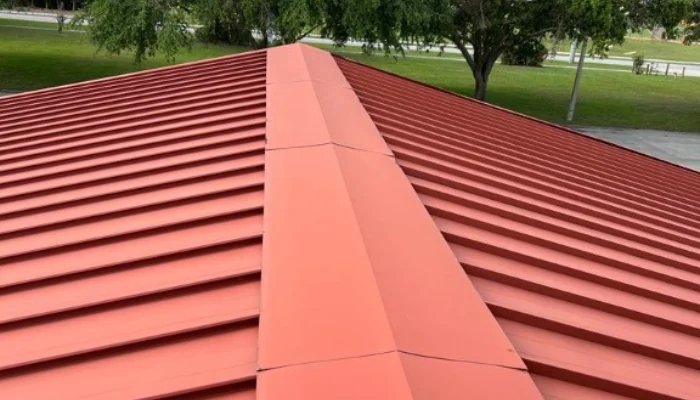
Aluminum is one of the top choices for homeowners near the coast. Its natural resistance to salt corrosion makes it stand out from steel, which can rust more quickly in humid, salty air. Here’s why homeowners choose aluminum:
- Corrosion-resistant: holds up against salt spray and coastal weather.
- Lightweight: puts less stress on the roof structure compared to heavier metals.
- Low maintenance: doesn’t require as many protective coatings as steel.
- Energy efficiency: reflects sunlight well, helping reduce cooling costs.
The potential downsides are:
- Higher upfront cost compared to steel.
- Softer metal, which means it dents easier under heavy hail or falling branches.
- Limited color and style availability in some markets.
And an aluminum roof typically lasts 50–70 years. Installed cost usually ranges from $9 to $15 per square foot, depending on the style (standing seam often costs more than corrugated panels).
Pro tip from Protect Preserve Roofing: Aluminum is especially suited for coastal homes or areas with high humidity. It’s also a smart pick if you want a lightweight option that still provides decades of protection.
Copper Roofing: Premium Style with Long Lifespan
Copper is the luxury choice in metal roofing. Known for its striking appearance and ability to last a century or more, it’s often used by homeowners who see the roof as a statement piece as much as a shield. It is the best choice because:
- Unmatched lifespan: can last 80–100+ years with minimal maintenance.
- Aesthetic appeal: develops a natural greenish patina over time, adding character.
- Durability: resists fire, wind and severe weather.
- Eco-friendly: 100% recyclable and often made from recycled material.
The potential downsides are:
- Very high upfront cost compared to steel or aluminum.
- Patina color isn’t for everyone, some homeowners dislike the aged look.
- Installation requires skilled contractors, which can further raise the price.
Copper roofing is an investment. Costs typically range from $15 to $25 per square foot installed. But when you factor in its 100-year potential lifespan, the long-term value can outweigh the initial price.
Bottom line: Copper works well for high-end residential properties, historic restorations or homeowners who want a premium look that sets their home apart. It’s less about budget and more about making a long-lasting architectural statement. If you want a roof that could outlast you, copper is the choice.
Zinc Roofing: Eco-Friendly and Self-Healing
Zinc may not be the first metal most homeowners think of, but it’s one of the most impressive. Its natural ability to “self-heal” small scratches make it stand out from other materials. Over time, zinc develops a protective layer that keeps the roof strong for decades. Here’s why homeowners choose zinc:
- Self-healing surface: scratches fade as the patina reforms.
- Eco-friendly: recyclable and requires less energy to produce.
- Durability: can last 60–100 years with proper installation.
- Low maintenance: once installed, it requires very little upkeep.
The potential downsides are:
- Higher upfront cost compared to steel or aluminum.
- Limited availability in some areas, which can make sourcing more difficult.
- Color options are limited, with most roofs showing a gray or blue patina.
The zinc roofing typically costs $12 to $18 per square foot installed, placing it in the premium category alongside copper. The long lifespan, however, makes it a strong long-term investment.
Pro tip from Protect Preserve Roofing: Zinc is ideal for homeowners looking for an eco-friendly, low-maintenance roof with a long lifespan. It’s also popular in modern architectural designs where the natural patina adds style.
Tin Roofing: Outdated or Still an Option?
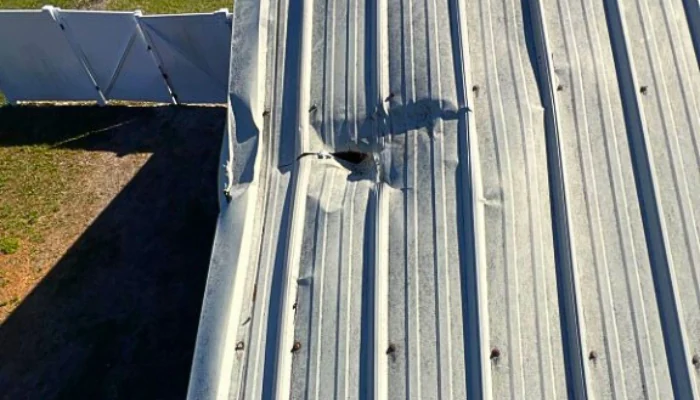
Tin was once the most common type of metal roofing, especially in the 19th and early 20th centuries. Today, it’s rarely used in modern construction, but some homeowners still ask if tin has a place on their roof. Here’s why tin was popular:
- Lightweight: easy to transport and install.
- Affordable: once considered a budget-friendly metal.
- Easy to work with: could be shaped and cut quickly.
It fell out of favor because it is:
- Less durable compared to modern metals like steel and aluminum.
- Requires frequent painting and maintenance to avoid rust.
- Shorter lifespan, often only 20–40 years.
Pure tin roofing is almost impossible to find today. Most products sold as “tin roofs” are actually steel coated with tin or painted steel panels. Costs vary widely, but they’re generally lower than premium metals like copper or zinc.
Bottom line: Tin is mostly used for historic restorations or as a stylistic choice on barns and rustic homes. For residential use, modern metals like steel and aluminum offer better performance, lower maintenance and longer life.
Standing Seam vs. Exposed Fastener Metal Roofs
When choosing a metal roof, the material matters, so does the installation system. The two most common styles are standing seam and exposed fastener (often called screw-down panels). Both protect your home, but they perform very differently over time. Let’s take a quick look at standing seam metal roofs:
- Hidden fasteners: panels lock together with raised seams, so screws are concealed.
- Durability: less chance of leaks because water can’t easily reach the fasteners.
- Clean look: modern, sleek design that many homeowners prefer.
- Low maintenance: fewer exposed parts that need tightening or replacing.
- Downside: higher upfront cost – usually $10 to $18 per square foot installed – and requires skilled installation.
On the other hand, exposed fastener metal roofs are:
- Lower cost: typically $6 to $12 per square foot installed, making it the budget-friendly option.
- Easier installation: quicker to put on, which cuts labor costs.
- Wider availability: common for barns, sheds, and some residential roofs.
- Downside: thousands of screws penetrate the panels. Over time, screws loosen, washers crack and leaks form. In Florida’s intense heat and storms, this can mean repairs far sooner than expected.
So, if you want long-term performance and fewer headaches, standing seam is the clear winner. It costs more at first, but it lasts longer and requires less upkeep. Exposed fastener systems can work for short-term solutions or outbuildings, but homeowners often regret using them on primary homes once maintenance bills add up.
Best Type of Metal Roof for Florida Homes
Florida’s climate is tough: hurricane winds, heavy rain, salt air and extreme heat. The best type of metal roof depends on where you live and how much you want to invest. Let’s take a closer look:
| Metal Type | Best For | Strengths | Weaknesses | Average Lifespan | Installed Cost (per sq. ft.) |
| Aluminum | Coastal homes near the ocean | Resistant to salt corrosion, lightweight, energy-efficient | Softer metal, dents easier, higher upfront cost | 50–70 years | $9–$15 |
| Steel (Galvalume) | Inland areas away from coast | Affordable, strong, coatings protect against rust | Rust risk if coating is damaged, less ideal for coast | 40–60 years | $6–$12 |
| Standing Seam | Statewide, especially storm zones | Hidden fasteners prevent leaks, superior wind resistance, sleek look | Higher cost, requires skilled installation | 50+ years | $10–$18 |
| Copper | Premium homes, long-term owners | 80–100+ year lifespan, striking patina, resists fire and wind | Very expensive, patina color not for everyone | 80–100 years | $15–$25 |
| Zinc | Eco-conscious homeowners | Self-healing scratches, eco-friendly, long lifespan | High cost, limited availability | 60–100 years | $12–$18 |
Insurance information for Florida: Metal roofs often lower insurance premiums because they perform better in hurricanes; standing seam is especially favored by insurers since it withstands wind and water better than exposed fasteners and aluminum is the most reliable choice for coastal regions, while inland areas benefit from the affordability of steel.
Metal Roofs vs. Asphalt: Is the Upgrade Worth It?
Most homeowners start with asphalt shingles because they’re cheap and common. Therefore, as the years go by, many ask: is upgrading to a metal roof really worth the higher upfront cost? Let’s compare:
| Roof Type | Initial Cost (per sq. ft.) | Average Lifespan | Total Lifetime Cost* |
| Asphalt Shingles | $4 – $6 | 15–20 years | $12 – $18 (3 replacements over 60 years) |
| Metal Roof (Steel/Aluminum) | $6 – $15 | 40–70 years | $6 – $15 (1 installation) |
| Premium Metal (Copper/Zinc) | $12 – $25 | 80–100 years | $12 – $25 (may outlast the home) |
*Approximate calculation based on replacements needed within a 60-year period.
- Asphalt: prone to leaks, missing shingles, and storm damage. Requires frequent maintenance in Florida’s heat and storms.
- Metal: resists wind, hail, fire, and corrosion (especially aluminum near the coast). Requires little upkeep and holds up better during hurricanes.
Energy efficiency:
- Asphalt absorbs heat, making homes hotter in summer.
- Metal reflects sunlight, reducing cooling costs, a major advantage in Florida’s climate.
Insurance benefits: Insurers often give discounts for metal roofs because they reduce storm-related claims. Asphalt doesn’t carry the same benefit.
Quick reminder from Protect Preserve Roofing: Asphalt may win in the short term with lower costs, but metal roofs save money, stress and energy in the long run. For homeowners planning to stay in their property more than 10–15 years, upgrading to metal is usually the smarter investment.
Conclusion: Which Type of Metal Roof Is Best for You?
The best type of metal roof depends on your home, your budget and your long-term goals. Steel is affordable and strong for inland areas. Aluminum shines on the coast with its resistance to salt corrosion. Copper and zinc are premium choices that can last a lifetime or more, while standing seam systems give unmatched storm protection.
So, asphalt may save money upfront, but in Florida’s tough climate, a well-installed metal roof will almost always pay for itself in durability, lower maintenance and even reduced insurance premiums.
At the end of the day, the right roof isn’t just about keeping out the rain. It’s about protecting your family, your home and your peace of mind. And here is where Protect Preserve Roofing comes in.
From brand-new roofs, repairs and tarps, we’ve seen all. Our team knows how to spot the difference, explain it in plain English and give you the right solution. Don’t wait, take the simple step now:
- Book a professional inspection.
- Get clear answers or a quick estimate.
- Protect your home and your wallet.
Your roof, your home, your peace of mind – protected, preserved and done right.
FAQ: Best Type of Metal Roof
Aluminum is the best choice for coastal areas because it naturally resists salt corrosion. Standing seam aluminum roofs provide extra storm protection and can last 50–70 years.
Copper and zinc roofs last the longest, often 80–100+ years. Both develop a natural patina that protects the metal and reduces the need for heavy maintenance.
Yes. Metal roofs cost more upfront but last 2–3 times longer than asphalt shingles. They also lower maintenance costs, improve energy efficiency, and can reduce insurance premiums in storm-prone areas.
Standing seam roofs are better for long-term performance. Their hidden fasteners reduce leak risks and perform better in storms. Exposed fastener systems cost less upfront but require more maintenance.
What is the best type of metal roof for coastal homes?
Aluminum is the best choice for coastal areas because it naturally resists salt corrosion. Standing seam aluminum roofs provide extra storm protection and can last 50–70 years.
Which type of metal roof lasts the longest?
Copper and zinc roofs last the longest, often 80–100+ years. Both develop a natural patina that protects the metal and reduces the need for heavy maintenance.
Is a metal roof worth the cost compared to asphalt?
Yes. Metal roofs cost more upfront but last 2–3 times longer than asphalt shingles. They also lower maintenance costs, improve energy efficiency, and can reduce insurance premiums in storm-prone areas.
Which is better: standing seam or exposed fastener metal roofs?
Standing seam roofs are better for long-term performance. Their hidden fasteners reduce leak risks and perform better in storms. Exposed fastener systems cost less upfront but require more maintenance.

Leave a Reply