



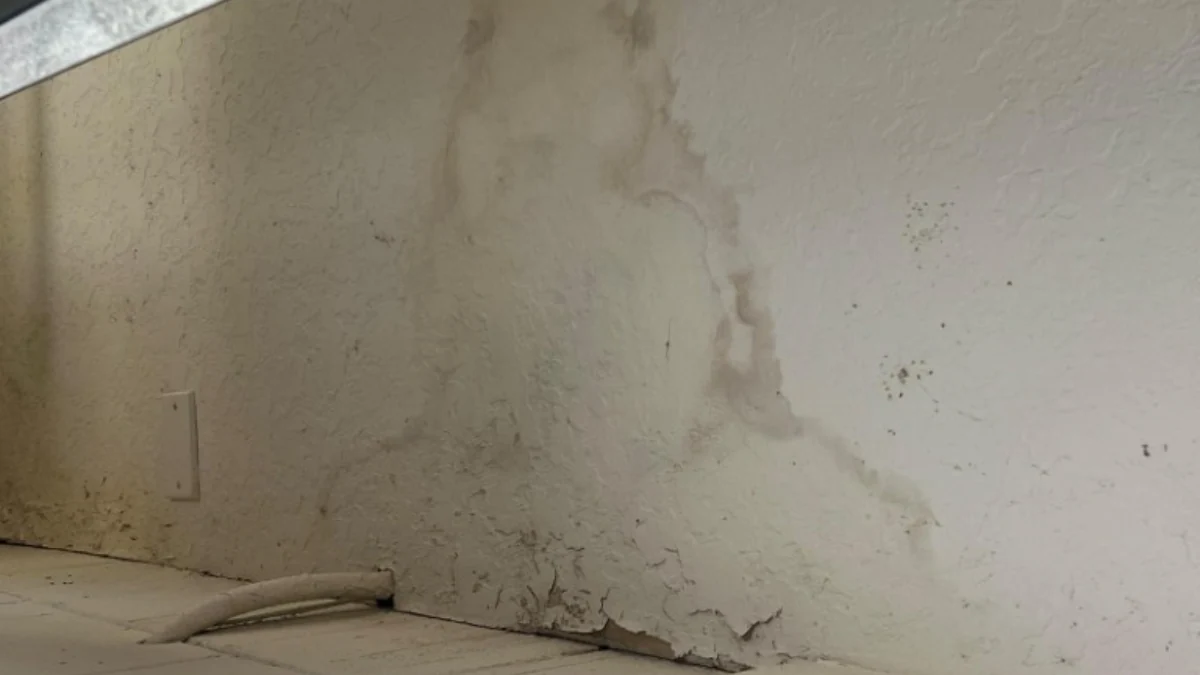


Determine water damage from a leaking roof may sound straightforward but identifying it early can be the difference between a minor fix and thousands of dollars in structural repairs.
Usually, the damage happens because many people think a small stain on the ceiling – according to the Insurance Information Institute – or a musty smell is not urgent, but this is just the tip of the iceberg. The problem could be much bigger, so you need to be careful and act quickly.
That’s why in this guide, we’ll show you a fast, clear and expert-backed method to determine water damage from a leaking roof without unnecessary guesswork. You’ll also discover what to look for, what steps to take immediately and how to avoid future damage, even before calling a professional.
Don’t wait for the drip to become a disaster. Keep reading and equip yourself with everything you need to identify and solve the problem before it spreads.
What Causes Water Damage from a Leaking Roof?
Roof leaks allow water to enter areas it was never meant to reach and once water sneaks in, it starts ruining everything in its path: wood, insulation, wiring, paint, even your peace of mind. Here’s what usually causes the mess and it’s easy to help you determine water damage from a leaking roof:
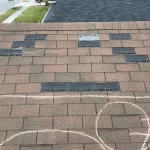
- Damaged or missing shingles: Shingles act like your roof’s armor. If they crack, curl or go missing, water gets a free pass. Storms, old age or even a DIY antenna installation gone wrong can do the damage.
- Clogged gutters: When they’re packed with leaves and gunk, water has nowhere to go, except back under your shingles or straight onto your fascia and siding. Clean your gutters at least twice a year.
- Cracked flashing or vent booting: Flashing is the thin metal that seals roof edges and joints. Over time, it can crack, rust or peel away. If these fail, water slides right in and no, duct tape is not a long-term solution.
- Improper roof pitch or installation: A shallow pitch or incorrect sealing can cause water to pool and seep slowly into the layers below.
- Worn seals around skylights, chimneys and vents: These features add style and light, but also increase risk. If the seals around them degrade, they become welcome mats for water. So, be careful.
- Old roof syndrome: If your roof’s pushing 20 and you’ve seen a few leaks, it might be time to stop patching and start planning.
Quick reminder from Protect Preserve Roofing: Roof leaks aren’t a harmless drip. They’re like termites with a water bucket: quiet, constant and eventually devastating. Pay attention to the signs.
How to Quickly Determine Water Damage from a Leaking Roof
Let’s cut to the chase with a fast-track guide to stop guessing and start confirming:
- Check for interior water stains: Water stains on the ceiling are usually the first sign something’s gone wrong above your head.
- Touch and tap the walls and ceilings: Tap around stained areas, if the surface feels soft, spongy or gives in slightly, there’s likely moisture trapped underneath.
- Head to the attic: Put on some old clothes, grab a flashlight and climb up there. Look for wet insulation, dark spots or streaks on wood framing, visible mold or mildew and damp smells.
- Look for warped paint or bubbling walls: If you see paint peeling, bubbling or warping, water’s likely pushing its way out from behind.
- Use a moisture meter: Moisture meters cost as little as $20 and are worth every cent. Simply press the device against drywall, wood or ceiling panels.
- Track the leak’s path: Water isn’t polite. It doesn’t drip straight down, it can run along beams, travel behind drywall and show up in another room. The trick is to follow gravity, not logic.
- Listen for subtle sounds: Sometimes, leaks make noise. You might hear dripping inside walls, crackling or hissing in the attic and wet splashes during heavy rain.
- Use a hose test: Got a friend, one person stays inside, the other sprays water with a hose on different roof sections in 10-minute intervals. If water starts showing inside, you just found your leak.
Pro tip from Protect Preserve Roofing: Determine water damage from a leaking roof fast saves your money, health and sanity. Many roof leaks aren’t visible until they’ve already caused hundreds or thousands in damage. That’s why fast detection isn’t optional, it’s survival.
Temporary Solutions to Stop Water Damage from a Leaking Roof
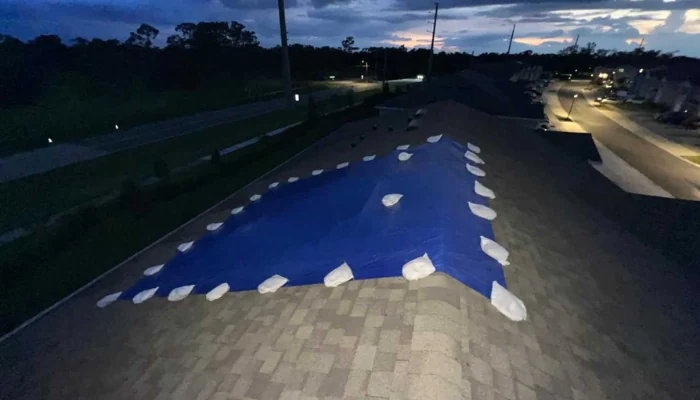
So, your roof is leaking, water’s coming in and you need to take action now to avoid a bigger mess (and a bigger bill). Let’s break down what you can do safely while waiting for the cavalry (a.k.a. the Protect Preserve Roofing crew).
First, what not to do
Before we talk about what you should do, let’s get clear:
- Don’t nail or screw tarps directly into the roof. You’re not just making things worse, you’re giving your insurance a reason to say no.
- Don’t patch with duct tape, trash bags, or silicone. It won’t hold up in rain or wind.
- Don’t ignore it. Even if it “stopped” dripping. That just means the water’s hiding somewhere inside now.
Now, what you need to do
Use a roof tarp the right way. A tarp can be a lifesaver, but only if it’s installed right. Protect Preserve Roofing recommends:
- Use sandbags to secure the tarp – no holes, no nails.
- Cover the damaged area generously – at least 3–4 feet past the visible damage in all directions.
- Only in very rare cases – like steep pitches or destroyed sections – should fastening with nails be considered and even then, it should be done only with professional assessment.
Then you catch and control the water inside. If water’s dripping, catch it the simple way:
- Use buckets, pans or storage bins under leaks.
- Lay down towels or plastic to protect flooring.
- If the leak is in a wall, poke a small hole to allow water to drain cleanly. This prevents it from spreading sideways and soaking more drywall.
- May be worth considering a professional company, such as Construemax, to avoid further interior damage.
Now you need to dry everything you can see really fast. You’re not stopping the leak yet; however, you can slow the damage with fans to keep air moving, open windows if weather allows and a dehumidifier if you’ve got one.
While you’re at it, don’t forget to document. Pull out that phone and take photos from the leak, stains, the tarp install and damaged furniture or floors. If your insurance decides to consider your claim, you’ll need evidence.
Quick reminder from Protect Preserve Roofing: This protect your home while you wait, minimize additional damage, keep you in good standing with your insurer and show you took action, not just watched it leak.
When to Call a Roof Leak Repair Professional
You spot a drip, grab a bucket, maybe slap on some duct tape and figure you’ve got time. Therefore, here’s the thing: roof leaks rarely fix themselves and what starts as a small stain can turn into a repair.
So when should you stop trying to patch it yourself and call in the professionals – like the team at Protect Preserve Roofing? Right now, we’ll break it down.

The leak keeps coming back
If you’ve already tried to patch the leak and it’s still showing up after rain. That’s not just a small hole, it’s a sign of deeper structural issues in your roof system.
Temporary fixes like tarps can buy you time, but if you’re seeing water again, it’s time to call someone who knows what they’re doing.
You determine water damage from a leaking roof inside your home
That ceiling stain? That’s only the beginning. If you’re seeing paint bubbling or peeling, a musty smell, warped baseboards and mold on walls or attic beams… then water has already gotten where it shouldn’t be. A professional needs to check how far it’s spread and stop it before it ruins more.
You can’t figure out where the leak is coming from
Not all leaks are obvious. Sometimes water travels along beams or inside walls, showing up far from the actual damage on the roof.
So, if you’ve searched and can’t trace the source, stop guessing. Protect Preserve Roofing uses proven detection methods to pinpoint the problem without tearing your house apart in the process.
Your roof is too high, too steep or too wet
If climbing up there feels sketchy, it probably is. Walking on a roof when it’s wet or steep isn’t brave, it’s asking for a trip to the ER. Our team is fully trained and properly equipped to handle it safely and professionally.
You’re unsure about insurance coverage
Let’s clear something up, homeowners insurance rarely covers roof repairs if the damage happened slowly or due to neglect. That includes water damage from a leak that’s been around too long.
Protect Preserve Roofing knows how to document damage and act fast, giving you the best chance at coverage when it’s actually possible, but once the insulation is soaked or mold appears, it’s usually too late.
You need more than a tarp
A tarp can protect your home. However, it’s not the fix. Real repairs involve replacing damaged shingles, sealing compromised flashing and restoring roof layers that have absorbed moisture.
Also, tarps must be installed properly (no nails or screws unless the pitch is dangerously steep or the roof is unsalvageable). Protect Preserve Roofing follows correct procedures to ensure you don’t void insurance or create more problems down the line.
Water Damage Restoration: What Happens After the Leak
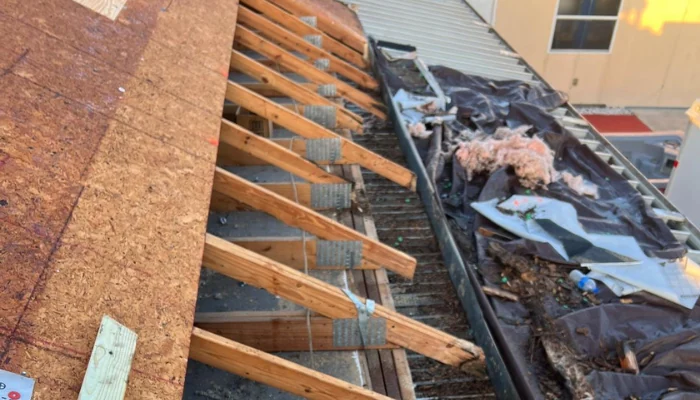
Most people think the hard part ends when the roof is patched. Therefore, water is sneaky, gets inside walls, under flooring, into insulation and, unless you take the right steps fast, it doesn’t just sit there, it spreads, rots and grows mold.
Here’s what really needs to happen after the leak is under control:
- Assessment: find out what got hit. Sometimes, the damage is obvious, other times, it’s deep inside your walls, spreading like a bad rumor. That’s why skipping this step is one of the biggest mistakes homeowners make.
- Dry-out process: more than just airing it out. Drying isn’t about cracking a window and letting it “breathe.” This process can take 24 to 72 hours, depending on how wet the space is.
- Mold inspection and treatment. Mold loves moisture. It can grow in as little as 24 hours, especially in dark, closed areas like attics or behind walls. A professional mold remediation involves:
- Isolating the area.
- Removing contaminated materials.
- Cleaning with antimicrobial solutions.
- Ensuring moisture is 100% gone.
- Repairs and reconstruction. Once everything’s dry and clean, it’s time to put things back together. This can include replacing drywall and repainting, reinstalling insulation, repairing or replacing flooring and checking electrical systems (if water reached wires or outlets).
- Documentation for insurance. Take photos of all damage (before and after), documentation of repairs and receipts and professional inspection reports.
Quick reminder from Protect Preserve Roofing: Fixing the leak stops the water. Restoration fixes everything else the water destroyed and if you skip this part, you could be dealing with big problems. Don’t just patch the problem, solve it the right way.
How to Prevent Future Roof Leaks and Water Damage
Most leaks are preventable. With a little effort and some solid habits, you can stay ahead of future damage and keep your home dry, solid and safe. Here’s what actually works:
- Clean your gutters twice a year. This prevents water pooling, protects your fascia and roofline and stops ice dams in colder climates.
- Trim overhanging tree branches. Trees look great, until a storm hits and branches crash onto your roof like surprise guests. Keep limbs trimmed 6–10 feet away from your roof and watch for dead or weak trees near the house.
- Schedule a professional roof inspection once a year. An annual inspection helps to spot missing or damaged shingles, catch small problems before they grow and identify weak spots after big storms.
- Ventilate and insulate your attic properly. Check for proper airflow (intake and exhaust vents), no blocked soffits and insulation that’s dry and well-distributed.
- Check roof flashing and seals annually. Look for rust, lifting edges, gaps or cracks. Water loves weak points, don’t give it an easy entry.
- Watch for early warning signs. Catch issues before they escalate. Make it a habit to look up at ceilings monthly, sniff for musty smells after rain and check the attic after storms.
Quick reminder: Protect Preserve Roofing is here not just to fix what’s broken, but to help you avoid problems in the first place. Whether it’s an annual check-up or a quick look after a rough storm, we’ve got your back.
Does Homeowners Insurance Cover Roof Leak Water Damage?
Just because your roof leaked, doesn’t mean your insurance will cover it. We’ve seen too many homeowners shocked to learn their claim got denied simply because they waited too long, didn’t act fast or assumed “water is water.” So, let’s break it down.
What homeowners insurance usually covers
Insurance companies love specifics, very picky. However, most standard policies will cover sudden and accidental damage, like:
- A heavy storm tears off shingles, causing an immediate leak.
- A tree falls on the roof during high winds.
- Hail punches a hole through the roof, and rain pours in.
If water enters your home because of a covered event, the resulting interior damage (ceilings, walls, insulation, floors) is often covered, but not always the roof repair itself.
Let’s say it louder: Insurance may pay to fix what the water damaged inside… not the actual roof.
What insurance rarely covers
If the adjuster decides your roof was already in bad shape and that you failed to maintain it, you’re in trouble. These situations are often denied:
- Roof leaks caused by long-term wear and tear.
- Missing shingles or cracked seals ignored over time.
- Mold growth due to slow leaks that were never repaired.
- Poor DIY tarp installations that made things worse.
Quick reminder: If you installed a tarp using nails or screws, some insurers may reject your claim altogether, claiming you caused further damage. This is why Protect Preserve Roofing always installs tarps the right way, without violating insurance guidelines.
Conclusion: Determine Water Damage from a Leaking Roof with Protect Preserver Roofing
Most people don’t even notice the warning signs until it’s too late, but not you. You’re here, learning, preparing, and ready to do something about it. That deserves some serious credit.
Roof leaks and water damage aren’t just “maintenance issues”, they’re stress creators, time stealers and wallet drainers. But here’s the good news, you don’t have to fix it alone.
At Protect Preserve Roofing, we do more than plug holes. We show up fast, assess honestly and guide you through insurance headaches (when they apply) and handle every repair with care, as if we were working on our own home. So, if you’re dealing with:
- Ceiling stains that keep spreading.
- A tarp that’s been up way too long.
- Water where it absolutely shouldn’t be.
- Or just that gut feeling that something’s wrong.
Let’s take care of it, the right way, today. Click here to schedule your roof inspection or just call us. No pressure or gimmicks, just real help, from real people who’ve got your back.
Fix the problem and make sure it doesn’t come back because your home deserves better than “good enough”.
Frequently Asked Questions About Roof Leaks and Water Damage
If the stain is on a ceiling below your attic or upper floor, it’s likely from the roof. If it’s near plumbing, it could be a pipe. When in doubt, Protect Preserve Roofing can inspect and confirm the source — quickly and accurately.
Sometimes. If damage is sudden — like from a storm — insurance may cover the interior water damage. But they often don’t pay for the roof repair itself if it’s due to neglect. Protect Preserve Roofing helps you document and navigate it correctly.
Waiting leads to worse problems: mold in 24–48 hours, ruined insulation, drywall damage, and even structural weakening. Act fast to save money and avoid bigger headaches.
- Clean gutters at least twice a year
- Trim tree branches near your roof
- Schedule annual roof inspections
- Watch for early signs like stains or musty smells
Protect Preserve Roofing also offers maintenance plans to catch problems before they grow.
Reach out to Protect Preserve Roofing — we’re real people who pick up the phone, show up on time, and fix things the right way. Call us or schedule online today.


Leave a Reply