



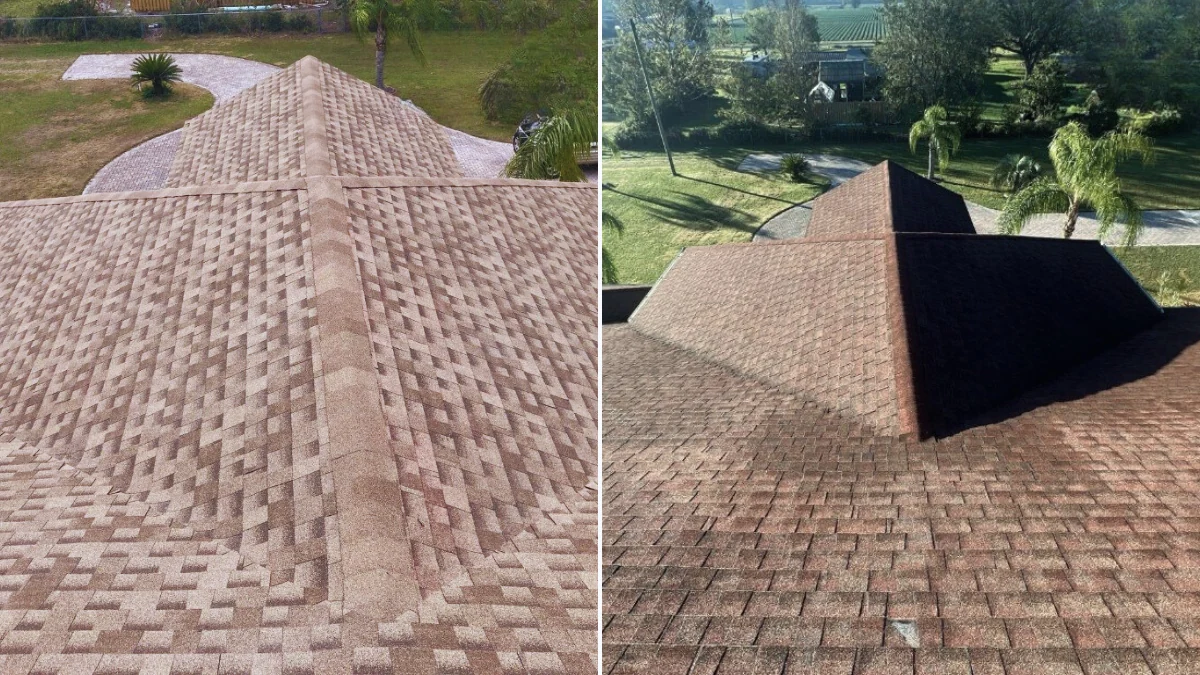


How to make a plan for roof repair might seem straightforward, but the truth is most homeowners don’t realize how much time, cost and stress they can save by doing it the right way from the start.
According to the National Roofing Contractors Association, over 5 million roofs are repaired or replaced in the U.S. each year, and in many cases, the damage could’ve been minimized – or even avoided – if the homeowner had a repair plan in place.
So why do most people skip the planning step? Simple: they don’t know where to start. The result? Delayed repairs, inflated costs and denied insurance claims.
That’s why, in this guide, you’ll discover how to spot the signs of a leak before it spreads, understand what factors affect roof repair costs, choose the right materials and timeline, avoid costly mistakes with temporary fixes and protect your home before the next storm hits
Don’t wait for water to tell you it’s time. Start planning now because roof damage doesn’t just go away, it gets worse.
Table of contents
Why You Need a Roof Repair Plan?
Most people don’t think about their roof until something goes wrong and waiting for a leak to plan your next move usually costs more, takes longer and leads to avoidable damage.
A roof repair plan helps you take control before you’re forced into decisions under pressure. Therefore, knowing how to make a plan for roof repair is necessary. Let’s see why.
A plan helps you stay one step ahead
Some homeowners panic when they see damage. They hire the first roof repair crew who picks up the phone. Then they’re shocked when the:
- Insurance won’t pay for the repair.
- Tarp was nailed down and made the problem worse.
- Repair was cosmetic, not structural.
A repair plan helps you avoid all of that because it tells you:
- What kind of damage you might be looking at.
- What’s safe to do temporarily (and what to avoid).
- How to start documenting for insurance (yes, that matters).
So, planning puts you in a stronger position. It’s not about paperwork; it’s about protecting your roof and your wallet and it doesn’t even take much time to plan. Here’s what it looks like:
- Assess where the issue started.
- Avoid patching mistakes (like using nails in the tarp unless there’s no other choice).
- Prep your home and photos for an insurance claim.
- Call a roofer with a plan, not with panic.
Pro tip from Protect Preserve Roofing: A smart roof repair plan isn’t a luxury; it’s your best defense before the first hammer hits a nail.
First: Identify the Type and Extent of Roof Damage
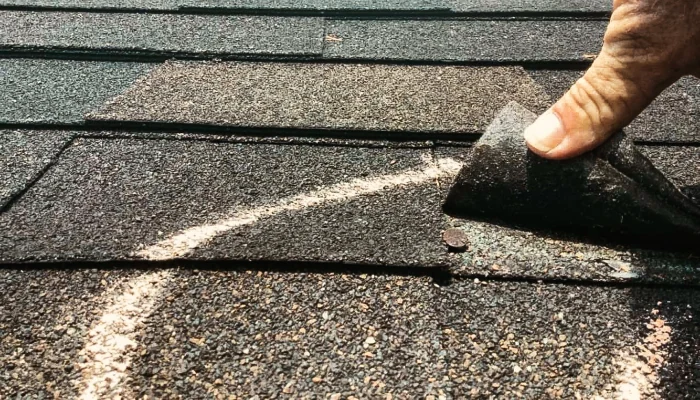
So, how to make a plan for roof repair? Well, before calling anyone or pulling out your wallet, you need to figure out what you’re dealing with. You don’t have to climb up there with a flashlight and a superhero attitude, you only need to understand the type and extent of roof damage.
Start with what you can see (no ladder needed). Stand outside, walk around your home and look up, check for:
- Missing, lifted, or curled shingles.
- Dark or discolored patches.
- Debris buildup in roof valleys.
- Gutters pulling away from the roofline.
- Visible dips or sagging sections.
Next, head inside and check your attic or ceiling for:
- Water stains or discoloration.
- Dripping or musty smells.
- Damp insulation or warped wood.
Know the difference: repair vs emergency
Some damage can wait a few days, other situations can’t. Here’s a quick breakdown:
| Condition | Emergency? | Action |
| Active leak during rain | Yes | Call a professional immediately |
| Missing shingle, no leak | No | Schedule a repair, not urgent |
| Water spot on ceiling | Maybe | Monitor and document. Might be small leak |
| Structural sag or collapse | Yes | Treat as urgent. Safety risk |
What type of roof do you have?
Different materials fail in different ways and here’s how to recognize common problems by roof type:
- Asphalt shingles: Look for granule loss, curling, or cracks.
- Tile roofs: Check for slipped or broken tiles.
- Flat roofs: Watch for standing water or blistering.
- Metal roofs: Look for rust, open seams, or lifted fasteners.
This matters because it affects cost, timeline and repair method. For example, flat roof repair often involves sealing membranes, not replacing panels.

Watch for damage that could void insurance claims
Some people try a DIY patch or nail down a tarp, thinking they’re helping, but improper handling (like using screws or roofing nails directly through the tarp) can void insurance coverage or cause more structural damage.
Capture everything with photos and notes
If it’s safe, use your phone to snap:
- Wide shots of your roof.
- Close-ups of damage.
- Interior water stains.
- Weather conditions (e.g., wet ground, visible clouds).
Pro tip from Protect Preserve Roofing: This documentation may help if you need to prove the damage was sudden, not due to long-term neglect.
Second: Know the Real Roof Repair Cost Factors
Roof repairs can cost anywhere from a few hundred bucks to a few thousand. The key is knowing what actually drives the cost. When making your plan, always remember the cost. Here’s what affects your repair bill:
- Minor leak? Less material, less labor.
- Rotten decking or sagging structure? More time, higher cost.
- Emergency tarping? That’s a specialized service and it comes with urgency fees.
- A flat roof is easier (and safer) to work on than a steep one.
- The higher the roof, the more safety equipment and labor required.
- Think of it like painting a room vs painting a cathedral ceiling.
- Asphalt shingles = cheapest to fix.
- Metal, tile and specialty materials = more expensive and time-consuming.
- Flat roof materials like EPDM or TPO = requires skilled sealing.
- Roof repair near me in a small town won’t cost the same as in a major metro.
- Local codes, labor rates and permit rules vary.
- Easy to reach = faster job.
- Obstructed access (trees, fences, landscaping)? That slows everything down.
Now, how much should you expect to pay? Let’s give you a ballpark based on real industry data and job records from Protect Preserve Roofing:
| Type of Repair | Estimated Cost Range |
| Minor shingle repair | $150 – $600 |
| Leak around flashing | $500 – $900 |
| Full tarp install | $800 – $1,600 |
| Rotten decking section | $1,200 – $2,500 |
| Emergency repair (storm) | $1,500 – $3,000+ |
Important reminder from Protect Preserve Roofing: You can protect your budget, just get multiple quotes (not just from anyone, but from licensed, insured pros), document everything with timestamps and weather conditions, never approve invasive work (like nailing a tarp) unless it’s truly unavoidable and ask about financing/unexpected repairs.
Third: Evaluate Temporary vs Permanent Repair Options
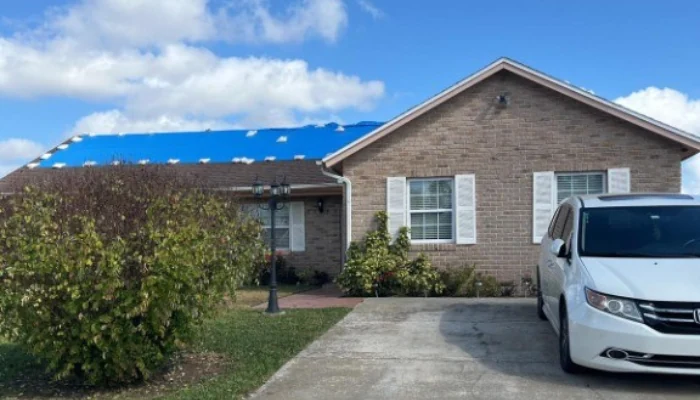
Some roof problems need fast action; others need full repair. That’s another reason for “how to make a plan for roof repair”, because the trick is knowing the difference and making sure your “quick fix” doesn’t turn into a long-term disaster.
Temporary fixes
Temporary repairs are meant to buy you time, not solve the root problem. Think of them like putting on a spare tire. It’ll get you home, but you don’t want to drive on it for weeks. So, these are the common temporary options:
- Roof tarp installation.
- Roof sealant or patching compound.
- Waterproof roof tape.
- Plastic sheeting inside attic for drip control.
These temporary fixes help you prevent further water intrusion, control immediate ceiling or attic damage and give you breathing room to schedule a permanent fix.
Important warning about tarps: You should never nail or screw a tarp directly into your roof – unless the roof is so steep or so damaged that you have no other option – because it creates new entry points for water, voids many insurance policies and can cause more damage than it prevents.
Permanent repairs
Permanent repairs solve the problem at its source. This includes:
- Replacing shingles or tiles.
- Fixing flashing or chimney leaks.
- Removing rotted decking.
- Resealing flat roof membranes.
- Addressing poor drainage or sagging structure.
For this, you need to pay attention to the following signs:
- The leak keeps coming back.
- You see sagging or warping.
- Water damage is spreading.
- You’ve had to tarp the same area more than once.
- Mold or soft wood in the attic.
How to decide: temporary or permanent?
| Situation | Best Option |
| Leak during a storm, no time to repair | Temporary (tarp, sealant) |
| Weather is clear, damage is visible | Permanent |
| Insurance inspection pending | Temporary — but non-invasive |
| Structure is compromised | Permanent (urgent) |
Fourth: Find Reliable Roofing Repair Services Near You
When it comes to roofing repair near you, your goal isn’t just to find someone who can do the job. It’s to find someone who’ll do it right, protect your insurance coverage and treat your home like their own. This is essential on how to make a plan for roof repair.
So, before agreeing to any repair, take five minutes to ask the questions that matter:
- Are you licensed and insured for residential roofing in my area?
- Do you provide written estimates with itemized costs?
- Can you explain what’s urgent, and what can wait?
- Will the materials and methods you use protect my insurance eligibility?
Also, it’s easy to get overwhelmed, especially if your roof is actively leaking. However, rushing into a bad decision only makes things worse. Watch out for:
- Vague pricing.
- Pressure tactics.
- Zero documentation.
- No physical inspection before quoting.
- Suggestions to nail or screw a tarp directly into your shingles.
What you need is an established company with serious benefits:
- Faster response times.
- Knowledge of regional weather patterns and material performance.
- Familiarity with local permit rules and building codes.
- Easier follow-up in case of questions or warranty service.
And here’s the amazing news: Protect Preserve Roofing is specialized in urgent and long-term roofing repairs tailored to your neighborhood’s conditions, not generic solutions copied from out-of-state templates. We’re a licensed company that meets all the above requirements to protect your home. We offer:
- Honest evaluation of the damage, no scare tactics.
- Clear recommendations for both temporary and permanent solutions.
- Guidance on how to prepare for insurance assessments.
- Pricing transparency. No surprise add-ons after the job starts.
- Real communication, from first inspection to final cleanup.
If you’re stuck figuring out who to trust, start by finding someone who listens first and sells later – choose us.
Fifth: Build Your Roof Repair Timeline and Checklist
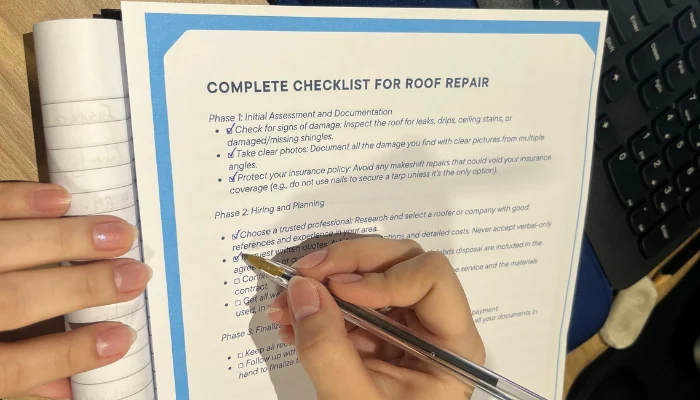
Whether the issue is a slow leak or a storm disaster, a clear timeline helps you stay calm, stay organized, and avoid surprise costs. Start with these key questions:
- How urgent is the repair?
- What’s the weather forecast this week?
- Will insurance be involved?
- Is temporary protection (like a tarp) required now?
These questions will shape everything, from when you schedule the repair to what materials are used. Now, the ideal roof repair timeline for your checklist:
- Day 1. Detect and document: Identify signs of damage (inside and outside), take photos from safe locations and check your insurance policy (look for time limits on filing claims).
- Day 2. Prevent further damage: If rain is coming, consider temporary protection, avoid DIY tarp installs, especially nails or screws and call Protect Preserve Roofing for safe tarp options (non-invasive).
- Days 3–5. Book an inspection: Schedule a roof evaluation, discuss temporary and permanent fixes and request a written estimate with breakdowns.
- Days 6–10. Insurance + approval: If filing a claim, notify your provider with photos and roofer’s written assessment and ask if they require adjuster presence before starting.
- Days 11–14. Schedule repair: Confirm timing with the roof repair crew, move outdoor items (furniture, cars, pets) as needed and notify neighbors if work might be noisy.
Your roof repair checklist
Use this before, during and after the repair:
- Check for signs of leaks or sagging.
- Take clear photos of damage.
- Avoid doing anything that voids insurance (no nails in tarp).
- Choose a trusted roofer with experience in your area.
- Ask for options and costs, no verbal-only quotes.
- Confirm cleanup and disposal are included.
- Get all warranties in writing.
- Keep all invoices and receipts.
- Follow up with your insurance once repair is done.
Quick reminder from Protect Preserve Roofing: Planning your repair like this can shave days off your project timeline, prevent wasted money on shortcuts and keep your home safe while you wait. When it’s done, you’ll feel like you handled it like a pro.
What to Do While Waiting for Your Roof Repair Appointment?
If the roof is leaking, don’t wait for the appointment, act fast inside and out your home:
- Place buckets, towels or shallow bins under drips.
- Move furniture and electronics out of the way.
- Use plastic sheets or trash bags to cover what can’t be moved.
- If it’s safe, lay old towels in the attic to absorb moisture.
- Take clear pictures of your roof exterior (zoom in on the damage), interior leaks or stains, the surrounding weather (cloudy, sunny, post-rain) and any temporary fixes you applied.
Once the repair is scheduled, you can move vehicles away from work zones, secure loose items around the home (wind can move tools and tarps), let your household know about the noise and access points and, if you work from home, consider a backup plan during the loudest phases.
Pro tip from Protect Preserve Roofing: Don’t assume “waiting” means “doing nothing”. The short window between problem and solution is your best chance to minimize damage, maximize insurance support and set yourself up for a smooth, safe and quick repair.
Preventing Future Roof Repairs
While some damage is unavoidable (hello, hailstorms…), a lot of repairs happen simply because the roof was ignored. Good news? A little effort now can save you thousands later. Here’s how to stay ahead of future problems:
- Schedule a roof inspection once a year at least: You catch missing shingles early, flashing and sealant problems show up before they leak and avoid surprise mold, rot or insulation damage.
- Keep your gutters clean: Clogged gutters are one of the most common causes of roof damage. Clean them out every fall and spring, after heavy storms or anytime you see water spilling over.
- Trim nearby trees: Falling limbs can break shingles, branches scraping in the wind wear down roofing material and leaves pile up and trap moisture, leading to rot. Cut safely or call a pro tree service. Don’t play
- Check the attic after heavy rains: Look for damp insulation, dark spots or staining, musty smell and visible drips or pooled water. If it feels humid or smells funky, call Protect Preserve Roofing before it becomes a full-blown leak.
- Watch for the “little” stuff: Keep an eye on missing or cracked shingles, loose flashing around vents and chimneys, rusted or damaged roof hardware and popped-up nails or fasteners. Preventive patching is fast and cheap.
- Be smart about tarp use: If you need a tarp, never nail or screw it in unless it’s your last option and always use sandbags or tie-downs first.
Pro tip from Protect Preserve Roofing: Keep records… save photos, write down storm dates. It helps with insurance claims, warranty services and planning future upgrades.
Conclusion: Why Planning Your Roof Repair Is a Smart Choice?
Most roofing problems don’t show up with a loud crash. By the time most people react, the damage is worse, the cost is higher and the stress? Through the roof.
However, you’re different. You now know that planning your roof repair isn’t just smart, it’s necessary. With a solid plan, you:
- Spot the damage early.
- Stay in control of cost and timelines.
- Avoid bad hires, bad advice and botched tarps.
- Protect your insurance coverage.
- Keep your home (and your sanity) intact.
And the best part is that we, Protect Preserve Roofing, can help you with all of that. We understand that you don’t want just a fix, but a real protection for your home, family, peace of mind and investment.
Call us and take the first step with confidence. We show up with answers and inspect, document, explain and repair with care. You can also schedule a free visit to your roof or get a quick estimate – very easy.
Thousands of homeowners have trusted us, now it’s your move.
Frequently Asked Questions (FAQ)
How do I start planning a roof repair?
Start by looking for visible signs like missing shingles, stains, or leaks. Take photos and notes, then contact Protect Preserve Roofing for an expert inspection and repair plan tailored to your roof’s condition.
Can I repair a roof myself?
DIY might seem tempting, but it often causes more harm than good — and can void insurance. Temporary measures like buckets indoors are fine, but actual roof repairs should always be handled by professionals.
How long can I wait to fix a roof leak?
Don’t wait. Leaks escalate fast — mold can grow in under 48 hours. Even minor drips can cause major structural issues if ignored. Schedule a repair or temporary protection immediately.
Will my insurance cover the roof repair?
Usually yes, if the damage was sudden (like a storm). But if it’s due to poor maintenance or incorrect fixes, claims may be denied. Always document everything and let pros handle temporary solutions like tarping.


Leave a Reply