



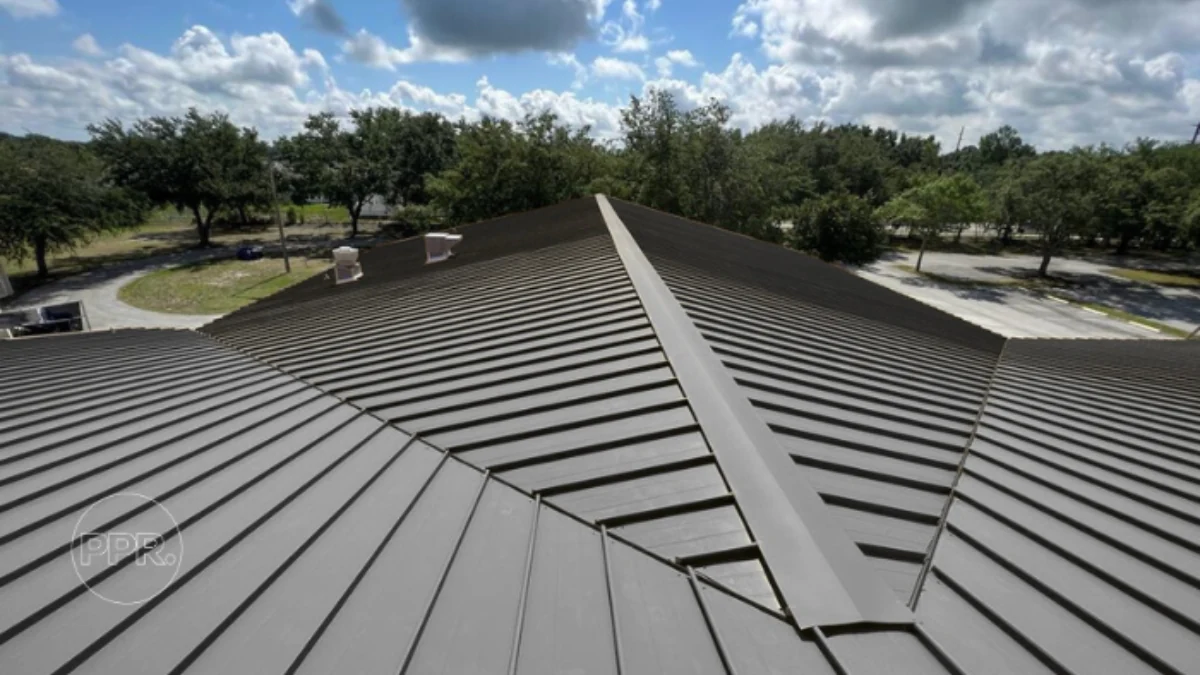


Metal roof and gutter problems are more common than many homeowners expect. According to the Metal Roofing Alliance, nearly 35% of roof repair calls involve issues with gutters or drainage on metal systems, showing how closely the two are connected.
Have you ever noticed your gutters overflowing during a storm or strange rust streaks running down your roof panels? At first, it might feel like “just a little water,” but these are red flags that can lead to leaks, foundation damage and even complications with insurance claims.
So, in this guide, you’ll learn about the most common metal roof and gutter problems and what causes them, the signs you should never ignore, the realistic repair costs and prevention strategies that thousands of homeowners already trust.
Don’t wait until the next storm forces you to scramble. The smartest move is understanding the risks today and knowing exactly how to protect your home before small issues snowball into major repairs.
Why Metal Roof and Gutter Problems Matter
Metal roofs are built to last. However, even the toughest system has weak points. Most of the time, those weak points show up where the roof and gutters meet. Gutters carry thousands of gallons of water off your roof each year. If they clog, sag or pull away, water has nowhere to go but into your fascia, siding and foundation.
Think about it: a simple overflow during a storm can lead to water creeping into your walls. That means mold, rot and repair bills bigger than the cost of routine maintenance.
What is the biggest problem with metal roofs?
The single biggest complaint isn’t about rust or noise, it’s installation mistakes.
- Loose fasteners from thermal expansion.
- Poor flashing around edges or chimneys.
- Panels are often laid without proper spacing.
When these details are missed, the entire roof suffers and once water gets into seams or edges, even a premium metal system can leak like a cheap shingle job.
Why are gutters critical for metal roofs?
Some homeowners ask, “Do metal roofs even need gutters?” The answer is a firm yes.
- Gutters control the heavy water flow sliding off smooth metal panels.
- They protect foundations by keeping water away from the base of the house.
- They stop soil erosion around landscaping and entryways.
Without gutters, water dumps straight down, digging trenches around your home. Worse, in cold climates, sheets of ice slide off metal roofs, crushing whatever sits below – cars, decks or bent gutters. Installing snow guards and well-fitted gutters makes the system work as intended.
Bottom line: Metal roof and gutter problems matter because they hit you where it hurts: structure, safety and wallet. Ignore them, and you risk leaks, denied insurance claims and costly repairs. Stay ahead with inspections and fast action.
Common Metal Roof and Gutter Problems
Metal roof and gutter problems don’t happen overnight. They build slowly, often starting with signs most homeowners overlook. Spotting these early can save thousands on repairs and headaches. Let’s break it down:
- Expansion, contraction and loose fasteners: Metal expands in the heat and contracts in the cold. Over time, this natural movement loosens fasteners and weakens seams.
- Signs: Gaps at panel edges, clicking sounds during temperature swings or visible screws pulling up.
- Risk: Loose fasteners let water sneak in, which leads to leaks and rust.
- Fix: Replace worn fasteners, reseal seams and schedule periodic inspections.
- Rust, corrosion and coating failures: Even though metal roofs are durable, they’re not invincible. Protective coatings wear down, leaving panels exposed to rust.
- Signs: Orange streaks, chalky surfaces, or bubbling paint.
- Risk: Corrosion weakens panels and spreads fast once it starts.
- Fix: Sand and reseal small areas early. If widespread, consider recoating or replacing affected panels.
- Metal roof over shingles problems: Many homeowners install metal roofs over old shingles to save money. Done poorly, this shortcut creates problems.
- Signs: Uneven panels, trapped moisture or noise during storms.
- Risk: Moisture gets stuck between shingles and metal, leading to mold and hidden rot.
- Fix: Proper underlayment is a must. If skipped, sections may need to be redone.
- Signs of gutter problems: Gutters are the unsung heroes of your roof system. When they fail, water takes the shortest path, usually into your home.
- Signs: Overflowing gutters during rain, sagging sections or water pooling near the foundation.
- Risk: Foundation cracks, siding stains and basement leaks.
- Fix: Clean gutters regularly, secure loose brackets and replace damaged sections.
Protect Preserve Roofing insight: We’ve seen cases where clogged gutters led to emergency tarp installs costing between $800 and $1,600. Homeowners thought it was “just a little overflow,” but it escalated into major interior damage. Prevention would have cost a fraction of that.
Gutter System Issues with Metal Roofs
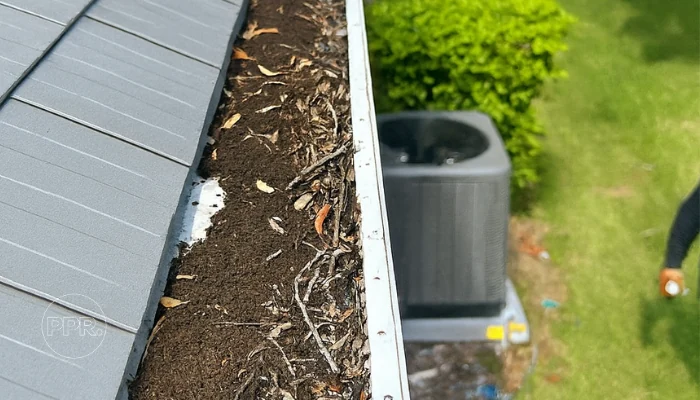
Metal roofs shed water fast. That means gutters must handle heavy flow in a short time. When the gutter system isn’t designed or installed correctly, problems pile up, literally at your foundation. Here are the common issues:
- Rain gutter problems from heavy water flow: Metal panels are smooth, so water runs off them faster than from shingles.
- Signs: Water overshooting gutters during storms, soil erosion under roof edges or trenches forming around the house.
- Risk: Overflow soaks siding, damages fascia boards and weakens foundations.
- Fix: Wider gutters, more downspouts and reinforced brackets that can handle the weight of fast-moving water.
- Problems with gutter guards and micro mesh systems: Gutter guards sound like a one-time solution, but not all designs work well with metal roofs.
- Micro mesh problems: They clog with fine debris like roof grit or pine needles and cleaning them is tricky.
- Common gutter guard problems: Some guards bend under sheets of ice sliding off metal roofs. Others lift during storms, leaving gaps where debris builds up.
- Fix: Choose guards rated for metal roof use and pair them with snow guards in colder climates.
- Gutter helmet problems: Gutter helmet systems are marketed as permanent fixes, but they have limits.
- Signs of trouble: Overflow in heavy downpours, ice buildup at edges or separation from fascia.
- Risk: Water slides over the helmet and lands right at your foundation, the problem you were trying to avoid.
- Fix: Helmets can work if installed properly with the right pitch. However, they still need maintenance checks to avoid overflow.
Pro tip from Protect Preserve Roofing: Not every gutter system fits every metal roof. Guards, helmets and mesh each have strengths and weaknesses. The key is to match the right system to the roof design and climate and check them often.
Costs of Fixing Metal Roof and Gutter Problems
The price depends on the type of damage, the materials involved and how quickly you act. Waiting too long almost always means paying more. Let’s take a quick look:
| Problem | Typical Cost Range (USD) | Why It Varies |
| Replacing loose fasteners | $150 – $400 | Roof size and accessibility |
| Minor rust treatment & recoating | $300 – $900 | Extent of corrosion and coating type |
| Flashing repair or replacement | $400 – $1,200 | Chimneys and skylights increase cost |
| Gutter cleaning & tightening brackets | $150 – $500 | Gutter length and height of house |
| Gutter replacement (per linear foot) | $6 – $15 | Material choice: aluminum, steel, or copper |
| Gutter guard installation | $900 – $2,000 | Depends on system (mesh, helmet, etc.) |
Emergency tarp installation costs
When gutters fail or leaks break through, tarping can be the only way to protect your home from further damage.

- Typical range: $800 to $1,600.
- Factors that raise cost: roof pitch, house height and size of the damaged area.
- Warning: Nailing or screwing tarps directly into a metal roof is never recommended, it can void insurance and cause worse structural issues. Sandbags and straps are the safe method, unless the roof is already severely compromised.
Insurance coverage
Insurance can ease repair costs, but it doesn’t cover everything.
- Usually covered: Sudden damage from storms, hail or falling trees.
- Not covered: Rust, poor maintenance, clogged gutters or damage from improper installations.
- Risk: If water enters because the roof wasn’t protected after damage, insurers may deny your claim.
That’s why acting fast is crucial. Quick tarping and documentation often make the difference between a paid claim and a denied one.
Bottom line: Metal roof and gutter repair costs depend on timing. A fastener replacement may cost less than $200, while ignoring rust or clogged gutters can spiral into thousands in structural repairs. Prevention and quick response are always cheaper than waiting for the next big storm.
Also read:
Prevention Strategies That Actually Work
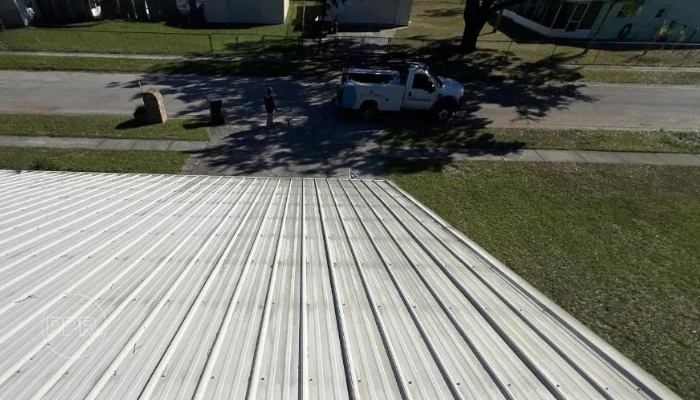
The best way to save money on roof and gutter repairs is prevention. Small steps now can keep your system strong for decades, while ignoring maintenance often means paying for big fixes later. Here are the main ways to prevent damage:
- Regular inspections and professional maintenance: A metal roof and gutter system needs eyes on it at least twice a year.
- Checkpoints: fasteners, flashing, seams, rust spots, gutter brackets and downspouts.
- When: every spring and fall, plus after major storms.
- Why: catching a $200 issue early beats a $2,000 repair later.
- Seasonal checks: Climate plays a big role in metal roof and gutter problems. Being proactive with the seasons prevents costly damage and denied insurance claims.
- Cold areas: Clear snow buildup, add snow guards and check for ice dam pressure.
- Rainy areas: Keep drains and downspouts clear to prevent overflow.
- Hurricane zones: Secure gutters and check seams before storm season hits.
- Choosing the right gutter guard systems for metal roofs: Not all gutter guards are equal. Some work; others create more headaches.
- Mesh guards: Good for large debris, but clog with roof grit.
- Helmet guards: Handle moderate rain, but overflow during heavy storms.
- Best practice: Choose systems designed for metal roofs and pair them with professional installation.
- Proactive repairs save money: Waiting never pays off. A few hundred dollars in proactive fixes can extend roof and gutter life by 10 years or more.
- Small rust spots should be resealed promptly before they spread.
- Loose fasteners and brackets should be tightened once detected.
- Damaged flashing must be replaced to prevent leaks.
Quick reminder from Protect Preserve Roofing: Prevention isn’t complicated, it’s consistent. Inspections, seasonal checks, the right gutter guards and proactive repairs keep your metal roof and gutters in shape. Every hour spent on maintenance saves money, stress, and insurance battles later.
Mistakes That Make Problems Worse
Many homeowners mean well. However, some fixes and shortcuts cause bigger problems than the original issue. Let’s take a look at the main mistakes:
- Poor installation by unqualified contractors: The most common mistake isn’t the weather, it’s bad workmanship.
- Problem: Loose seams, gutters pitched the wrong way or panels installed without proper spacing.
- Consequence: Water backs up, panels rattle, and fasteners pull out within a few seasons.
- Better option: Always work with qualified roofers who understand metal systems and gutter integration.
- DIY fixes that cause more damage: It’s tempting to grab a ladder and fix things yourself ,but metal roofs are less forgiving than shingles.
- Problem: Using the wrong sealant or patch material.
- Consequence: Water continues spreading under the surface, hidden until leaks appear inside.
- Better option: Let professionals seal cracks and replace flashing with the right materials.
- Ignoring small issues until they spread: The biggest mistake of all is waiting.
- Problem: Treating rust streaks, clogged gutters, or loose brackets as “no big deal.”
- Consequence: What starts with a $300 fix turns into a full replacement and possibly an emergency tarp install costing $800 to $1,600.
- Better option: Act as soon as you see a problem, it’s always cheaper.
- Covering instead of repairing: Throwing a quick patch or coating over damage doesn’t solve the root cause.
- Problem: coatings hide leaks but don’t stop water infiltration.
- Consequence: moisture spreads silently, rotting wood and insulation.
- Better option: Use coatings as preventive care, not as band-aids for serious problems.
Pro tip from Protect Preserve Roofing: Mistakes make roof and gutter problems worse – often much worse. Poor installations, DIY shortcuts or ignoring small warning signs all end up costing more. The best move? Fix issues right and fix them fast.
Conclusion: Protect Your Metal Roof and Gutters Today
Metal roof and gutter problems might start small: a loose bracket, a clogged downspout, a streak of rust. Therefore, they rarely stay that way. Left alone, they grow into leaks, corrosion and foundation damage. The truth is simple: prevention and quick action cost far less than major repairs.
We’ve seen homeowners spend a few hundred dollars on timely maintenance and save thousands on future replacements. On the other hand, we’ve seen delays lead to emergency tarp installs ranging from $800 to $1,600, plus interior damage that insurance refused to cover.
At Protect Preserve Roofing, our mission is to stop those costly surprises before they happen. From expert inspections to safe tarp installations and long-term roof and gutter solutions, we focus on protecting your home, your family and your peace of mind.
You’ve already done the smart part by learning what can go wrong. Now it’s time to take the next step: call us today for a roof and gutter assessment. You can also schedule a free visit to your roof or get a quick and instant roof estimate.
Don’t wait for the next storm to prove how important prevention really is. Secure your home now and save yourself stress, money and headaches down the road.
FAQs About Metal Roof and Gutter Problems
What are the most common metal roof and gutter problems?
The biggest issues are loose fasteners, rust, clogged gutters, and overflowing water. These start small but often lead to major leaks and damage.
Do metal roofs make gutter problems worse?
Yes. Metal panels shed water quickly, so gutters face heavier flow. If gutters aren’t sized or installed correctly, overflow and foundation damage follow.
What are the signs of gutter failure on a metal roof?
Overflow during storms, sagging brackets, soil erosion under roof edges, and water stains on siding all point to failing gutters.
How much does it cost to repair metal roof and gutter problems?
Small fixes may cost a few hundred dollars. Larger jobs, like gutter replacement or panel recoating, can run into the thousands. Emergency tarp installs range from $800 to $1,600.


Leave a Reply