



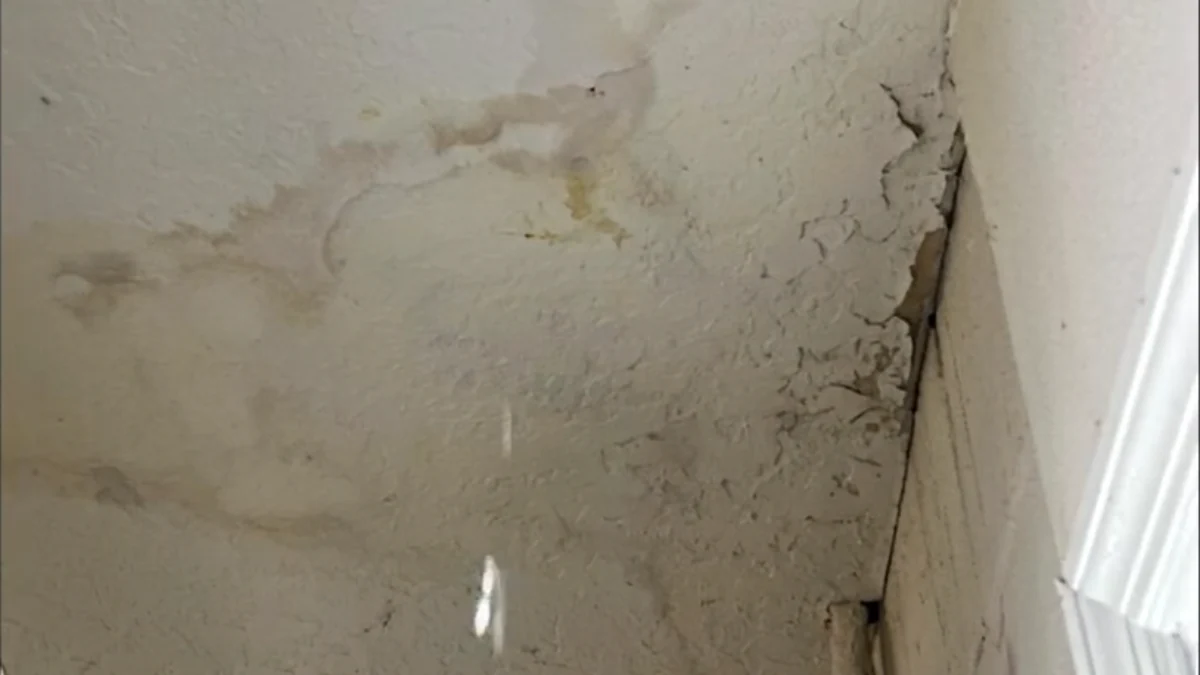


What roofing materials are used in roof leak repair is a question that surfaces when water stains appear on ceilings, or that unmistakable dripping sound keeps you up at night. With over 14 million roof leak issues reported annually in the U.S. alone (according to the National Roofing Contractors Association), choosing the right material isn’t just a matter of convenience, it’s a decision that directly affects your home’s structure.
The truth is that many homeowners resorts to quick fixes without understanding that each roofing material reacts differently depending on the type of leak, roof slope and climate.
So, in this article, you’ll discover the most reliable materials for both temporary and permanent repairs, which products are ideal for flat or low-slope roofs and how to choose leak-proof materials that offer long-term protection.
Don’t risk another costly mistake. Instead, let’s uncover “what roofing materials are used in roof leak repair” by professionals, backed by proven performance, expert insights and practical guidance.
Table of contents
Understanding Roof Leak Repair: Causes and Risks
What causes roof leaks? It’s not just “old age” or a random missing shingle. Most leaks come from a handful of culprits and once you know how to spot them, you can act fast before the problem spreads like coffee on your white couch.
Top causes of roof leaks
- Missing or damaged shingles: Wind, sun or even a poorly aimed soccer ball can knock shingles loose. When that happens, water finds a way in fast.
- Cracked flashing or seals: Flashing is the thin metal installed around roof edges, chimneys and skylights. It’s like duct tape for your roof and when it cracks, water slips through the seams.
- Clogged gutters: Gutters that look like mini jungles? That buildup forces water to pool on the roof, especially near low points. Pooling means leaks, simple as that.
- Old materials breaking down: Over time, roofing materials weaken. Asphalt cracks, wood curls and sealants dry out. If your roof is over 15 years old, it’s time to start paying close attention.
- Poor installation: Sadly, not every roofer is detail oriented. We’ve seen shortcuts that look good from the street but leak the first time it rains.
Why leaks are a bigger deal than you think?
You might see a drip in your ceiling and think, “It’s just a little water”. However, here’s what that little drip can lead to:
- Mold and mildew: Moisture breeds mold. Once it spreads behind drywall or under insulation, the cleanup isn’t pretty or cheap.
- Structural damage: Wood doesn’t like water. A slow leak can rot beams, weaken ceilings and create sagging areas that cost thousands to fix.
- Insurance problems: most homeowners insurance won’t cover repairs if the adjuster sees signs of neglect. If your roof is soaked and you didn’t act fast, you could be left footing the bill.
Quick reminder: Roof leaks don’t fix themselves. They spread, damage and kill insurance claims. Protect Preserve Roofing helps homeowners handle leaks the right way, safely, efficiently and with smart guidance from people who’ve seen it all.
What Roofing Materials Are Used in Roof Leak Repair?
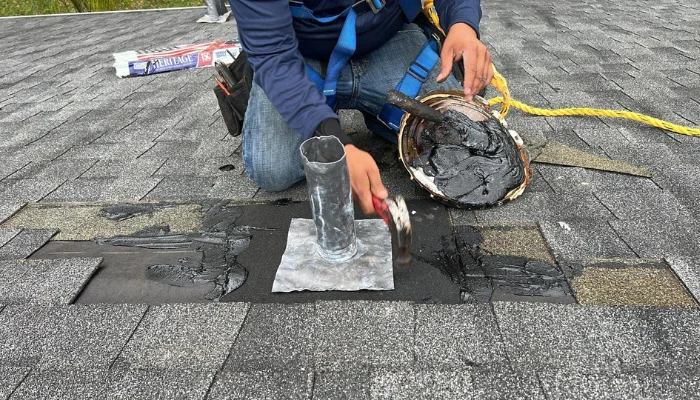
If your roof is leaking, the material you use to fix it matters. Not every product works for every situation, and the wrong choice can cost you more time, more money and possibly even your insurance coverage. So, let’s break down the real options.
1. Asphalt shingles
Best for: Pitched residential roofs, minor surface damage.
Why it works: Affordable, easy to replace, widely available.
Where it fails: Poor in flat spots or areas with pooling water.
Asphalt shingles are like the duct tape of roof repairs: quick to install and good for isolated issues. If a few shingles have blown off or cracked, swapping them is a straightforward fix.
2. Roofing sealant/cement
Best for: Small cracks, flashing, vents, quick patches.
Why it works: Fast to apply, flexible, good in a pinch.
Where it fails: As a permanent fix for large areas.
Think of sealant like putting a bandage on a cut. It helps in the short term, especially around flashing or pipe boots. But, using it across a large area? That’s asking for trouble. Sealant cracks under stress and sun.
3. Peel-and-stick roofing membranes
Best for: Flat or low-slope areas with recurring leaks.
Why it works: Strong adhesion, waterproof, easy to use.
Where it fails: On steep pitches or rough surfaces.
Just clean the area, roll it out and press it down. It’s often used under shingles as an ice and water shield, but it shines when applied directly on flat areas where water tends to sit. Think porch roofs, dormers or valleys.
4. Rubber (EPDM) or silicone roof coatings
Best for: Flat roofs, commercial buildings, ongoing protection.
Why it works: Seals entire surfaces, reflects heat, lasts years.
Where it fails: On damaged wood or sagging structures.
These coatings turn your roof into a waterproof layer. They’re applied like thick paint and can seal over minor cracks, gaps and even nail holes. But your roof needs to be dry and structurally sound. Don’t try this on rotted decking.
5. Tarp systems
Best for: Emergency protection before professional repairs.
Why it works: Fast to install, blocks water immediately.
Where it fails: As a long-term fix.

Tarps are a lifesaver when used correctly. However, again, don’t nail or screw them down unless there’s no other choice. Sandbags or weighted ropes are the safer option and expect to spend $800–$1,600, depending on how much area needs coverage, the height of the home, and how steep the pitch is.
Pro tip from Protect Preserve Roofing: So, which material is right for you? It depends on where the leak is (flat vs. pitched area), how bad the damage is (missing shingle vs. soaked plywood), what type of roof you have (metal, asphalt, tile, etc.) and how much rain is on the forecast.
Best Material for Leaking Roof
Let’s walk through the best materials and when they make sense. No guesswork or upsell, just clear choices.
- For small surface leaks or cracked shingles: Asphalt shingles or roofing cement.
- Replace broken shingles with new asphalt ones (if the leak is isolated).
- Use roofing cement or sealant if you can’t swap them immediately.
- These options are low-cost and fast. They work well if the underlying structure is still dry and solid.
- For flashing leaks and skylight edges: Flashing tape + sealant combo.
- Flashing repair tape (peel-and-stick).
- Flexible roof sealant (to reinforce edges).
- Most leaks around skylights or chimneys are caused by loose or rusted flashing. Tapes with butyl backing form a watertight bond and last longer than cheap patch jobs.
- For flat roofs or low slope trouble spots: Rubber membranes or liquid coatings.
- EPDM rubber patches for direct application.
- Silicone or acrylic liquid coatings for broader areas.
- Flat areas collect water. That water soaks through tiny cracks and weak spots. Rubber membranes and silicone coatings seal those gaps and create a water-repelling surface.
- For emergency coverage: High-quality tarps.
- Heavy-duty tarp secured with sandbags or tied anchors.
- Sometimes you just need to stop the rain from coming in. A good tarp can hold off a storm and save thousands in damage.
- For worn-out roof sections: Consider full panel replacement.
- Matching material replacement (metal, tile, wood, etc.).
- If a section of the roof is rotting or sagging, stop patching and start replacing. Partial panel replacements are more reliable than piling sealant over decay.
So… what roofing materials are used in roof leak repair?
Here’s a quick cheat sheet:
| Leak Location | Best Material | Good For… |
| Missing shingles | Asphalt shingles + sealant | Fast, low-cost surface repair |
| Chimney/skylight | Flashing tape + sealant | Preventing edge leaks |
| Flat roofs | EPDM patches or silicone coating | Sealing standing water zones |
| Big emergency | Weighted tarp | Storm response and quick stopgap |
| Long-term damage | Panel or structural replacement | Permanent, stable fix |
Quick reminder: Protect Preserve Roofing helps you skip the guesswork. We don’t just throw sealant on it and hope for the best. We fix what matters and protect what’s yours.
Materials That Keep Your Roof Leak-Free: Why They Matter
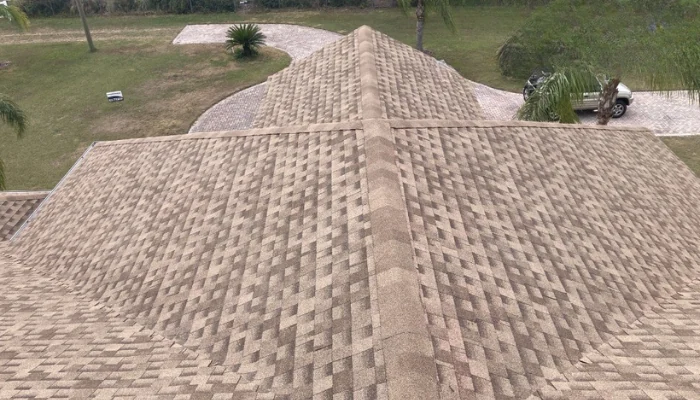
A long-term, leak-proof roofing isn’t about fancy marketing. “What roofing materials are used in roof leak repair” it’s about the right materials, installed the right way, with the right prep underneath. Let’s break it down.
1. Synthetic underlayment
What it is: A waterproof layer rolled out under your shingles.
Why it matters: Stops water before it ever hits the wood.
Many people focus only on the top layer of the roof, but the real MVP lives underneath. Synthetic underlayment replaces the old-school felt paper and adds an extra barrier that stops water dead in its tracks. It doesn’t wrinkle, tear, or soak up water like the cheap stuff.
2. Silicone roof coating
What it is: A liquid that hardens into a flexible, waterproof membrane.
Why it matters: Covers seams, screws, and problem areas in one go.
Silicone doesn’t just sit on the surface; it bonds to it. That means fewer gaps and less chance of failure over time. It’s highly UV-resistant, doesn’t chalk or crack like acrylics and reflects heat to boot.
3. EPDM rubber membranes
What it is: Large sheets of synthetic rubber, sealed to create a water-tight roof.
Why it matters: No seams = no leaks.
EPDM is basically the roofing version of a heavy-duty wetsuit. It stretches, seals tightly and holds strong in extreme weather. Once installed, it forms a clean, single-layer barrier that’s nearly immune to water intrusion, if it’s done right.
4. Metal roofing
What it is: Interlocking metal sheets, often aluminum or steel.
Why it matters: Long lifespan, minimal maintenance, and high resistance.
Metal roofs can last 40–70 years when installed properly. The key is using standing seam panels, where fasteners are hidden and water can’t sneak through. They don’t rot, crack, and laugh in the face of hail.
5. Self-adhering membranes for valleys and edges
What it is: Peel-and-stick strips used in high-risk leak zones.
Why it matters: Adds security in places where shingles or tiles tend to fail.
Valleys, ridges and eaves get hit hardest by weather. These sticky membranes act like body armor for the most vulnerable parts of your roof. They also help during freeze-thaw cycles, where ice dams often cause leaks.
What roofing materials are used in roof leak repair that work
Here’s a quick cheat sheet:
| Material | Best For | Lasts How Long? |
| Synthetic Underlayment | All roof types (beneath top layer) | 25–50 years |
| Silicone Coating | Flat roofs, metal, commercial | 10–20 years (recoatable) |
| EPDM Rubber | Flat or low-slope roofs | 20–30 years |
| Seamless Metal Panels | Sloped roofs, high exposure zones | 40–70 years |
| Self-Adhering Membranes | Valleys, eaves, ridges | Matches top layer lifespan |
Quick reminder: If you want real protection, it starts with using materials that were built to last and more importantly, they need to be installed by someone who knows how to match the right system to your home, climate and roof structure. That’s exactly why homeowners call Protect Preserve Roofing when they’re done playing whack-a-mole with roof leaks.
Temporary vs Permanent Roof Leak Repair Materials
You spot a leak, and the first thought is: “Let’s just fix it fast.” Totally fair – no one wants rain pouring in during a family dinner. However, temporary repairs are for buying time, not buying peace of mind. There’s a huge difference between a stopgap and a solution. Let’s break down what counts.
What are temporary roof repair materials?
These are fast fixes meant to prevent more damage immediately, not to last through the next 10 storms:
- Tarps (non-nailed): Used to shield open areas quickly. Secured with sandbags or tie-downs (never with nails or screws, unless the pitch is so steep nothing else works, and even then, it’s risky).
- Roofing cement or sealant: Good for sealing small cracks or holding down a shingle temporarily. Most sealants break down under UV light or water exposure over time.
- Flashing tape/butyl patches: Easy to apply and stick well for a while. But tape alone isn’t built for full exposure or shifting temperatures long-term.
Don’t forget that temporary materials make sense when:
- A storm is on the way, and you need quick coverage.
- You’re waiting for a full inspection or replacement.
- Budget or insurance delays mean repairs can’t start yet.
- The damage is minor and doesn’t involve soaked wood or decking.
What are permanent roof repair materials?
These are materials meant to restore structure, repel water and hold up under sun, wind and time:
- Shingle or tile replacement: If the leak came from cracked or missing surface pieces.
- Underlayment + flashing replacement: Fixing the layers underneath the surface that protect against leaks.
- EPDM rubber patches (for flat roofs): These seal water out and flex with temperature, ideal for flat roof zones.
- Silicone coatings: When properly applied over clean surfaces, they seal large areas and offer long-lasting resistance.
- Panel replacements (metal, tile, wood): For more severe cases, especially if sections are rotting, rusted or sagging.
You can choose the permanent repairs when you:
- Want to stop the leak, not babysit it.
- Roof is under warranty, and you need it done right.
- Plan to live in the home long-term.
- The leak is recurring or structural.
- When a “quick fix” has failed more than once.
Quick visual
| Situation | Use Temporary? | Use Permanent? |
| Sudden storm damage | Yes | Later |
| Minor crack, dry decking | Yes | Yes |
| Recurring leak in same spot | Temporary only buys time | Fix the cause |
| Rotted wood or sagging section | Don’t delay | Now |
| Preparing for full roof replacement | Helps protect until ready | Eventually |
Quick reminder: Protect Preserve Roofing always treats temporary materials as tools, not solutions. We’ll tarp it, patch it or seal it if it keeps your home safe in the short term, but we’ll also guide you to the permanent fix that solves the problem and on “what roofing materials are used in roof leak repair” permanently.
How Climate and Roof Type Affect Material Selection
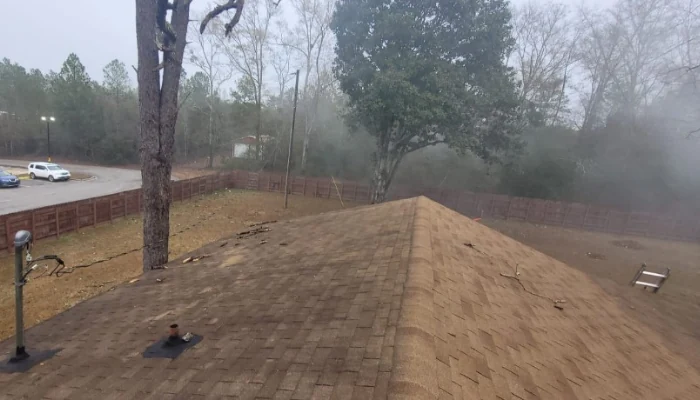
If you’re thinking, “Can’t I just use the same stuff everyone uses?”… pause. Climate and roof type are game changers when it comes to choosing the right material. Let’s unpack why.
Hot, sunny climates
Challenge: UV damage, thermal expansion, dried-out materials.
Best materials are:
- Silicone coatings: Reflect sunlight, resist cracking, stay flexible under intense heat.
- Metal roofing with standing seams: Durable under high UV and expands without warping.
- Synthetic underlayment: Won’t melt or curl like old-school felt.
Not recommended: Cheap asphalt sealants. They crack like old leather in this kind of heat.
Wet or humid climates
Challenge: Constant moisture, heavy rain, mold growth.
Best materials are:
- EPDM rubber: Water-resistant, ideal for flat roofs or low-slope porches.
- Self-adhering membranes: Great for sealing edges and valleys where water collects.
- Proper ventilation systems: Prevent trapped humidity from rotting wood beneath the roof.
Cold, snowy climates
Challenge: Freeze-thaw cycles, ice dams, snow buildup, expanding cracks.
Best materials are:
- Synthetic underlayment with ice-and-water shield in valleys.
- Metal panels: Ice slides off more easily, and standing seams prevent water seepage.
- Self-adhering flashing tape: Stops leaks before they form under snow drifts.
Avoid: Using basic sealants that stiffen in the cold. They’ll crack before spring.
Wind-prone or storm-prone areas
Challenge: High winds, flying debris, storm surges.
Best materials are:
- Heavier asphalt shingles rated for high-wind zones (Class F or higher).
- Metal roofing: If properly anchored, it outlasts shingles in major wind events.
- Roofing tape + synthetic underlayment combo: Keeps layers sealed and prevents uplift.
Roof shape and pitch
Even with perfect weather, the shape of your roof changes what works and what doesn’t for:
- Flat roofs: Tend to pool water and require coatings (like silicone) or membrane systems (like EPDM).
- Low-slope roofs: Can still pool water during heavy rain. You need leak-resistant materials like peel-and-stick underlayment or rolled roofing.
- Steep-slope roofs: They shed water faster and work better with shingles, tiles or metal panels. Less prone to pooling, but more dangerous for DIY work (don’t climb without backup).
What Roofing Materials Are Used in Roof Leak Repair: Maintenance Tips
You can prevent most leaks with a few smart habits. Do this:
- Quick visual check after every major storm: Step back, look up and check for missing or curling shingles, pieces of flashing sticking out and sagging areas or spots that look darker than usual.
- Clean your gutters at least twice a year: Clogged gutters cause water to back up onto your roof and water always finds a way in. Quick rule of thumb is spring and Fall are non-negotiable cleaning times and if your house has lots of trees, aim for every 3–4 months.
- Trim trees hanging over your roof: Keep tree limbs at least 6 to 10 feet away from your roof. Your insurance (and your siding) will thank you.
- Check your attic once a season: Most leaks show up in the attic first. Look for damp insulation, water stains on the beams and a musty smell or mold spots.
- Don’t skip the annual roof inspection: Even if everything looks fine, roofing issues aren’t always visible to the untrained eye. That’s why smart homeowners book a professional inspection once a year.
- Keep an eye on flashing and sealants: The metal strips (flashing) around chimneys, vents and skylights are common leak points. Sealant around these areas dries out and cracks with age. Check them every 6 months. If you see peeling or gaps, it’s time to reapply or replace.
- Don’t wait to fix “small” problems: A missing shingle or a soft spot might not feel urgent, until it rains and you’re suddenly calling your insurance in a panic.
Little tip from Protect Preserve Roofing: Leaks are like car trouble. You rarely notice until something breaks. However, with just a bit of routine care, you can extend your roof’s life, avoid major repairs and keep insurance companies off your back.
Conclusion: What Roofing Materials Are Used in Roof Leak Repair Near Me
You’ve seen the materials on “what roofing materials are used in roof leak repair”, the temporary fixes, the long-term options, the costs and what climate can do to your roof. But here’s the deal, none of that matters if the person on your roof doesn’t know what they’re doing.
That’s why homeowners trust Protect Preserve Roofing. Why choose us? Because we:
- Never recommend predrilled tarp installs unless there’s no safer alternative.
- Base all repair pricing on real conditions: roof height, pitch and damage.
- We are upfront about what insurance usually won’t cover.
- We are whether the fix sticks or whether you’re calling again in three months.
If you’re searching for “roof leak repair near me” that uses the best material for leaking roof, stop scrolling. Call us and talk to someone who’ll treat your home like it matters. You can also schedule a free visit to your roof or get a quick estimate, real and fast.
Your home deserves more than a patch job; it deserves protection that lasts.



Leave a Reply