



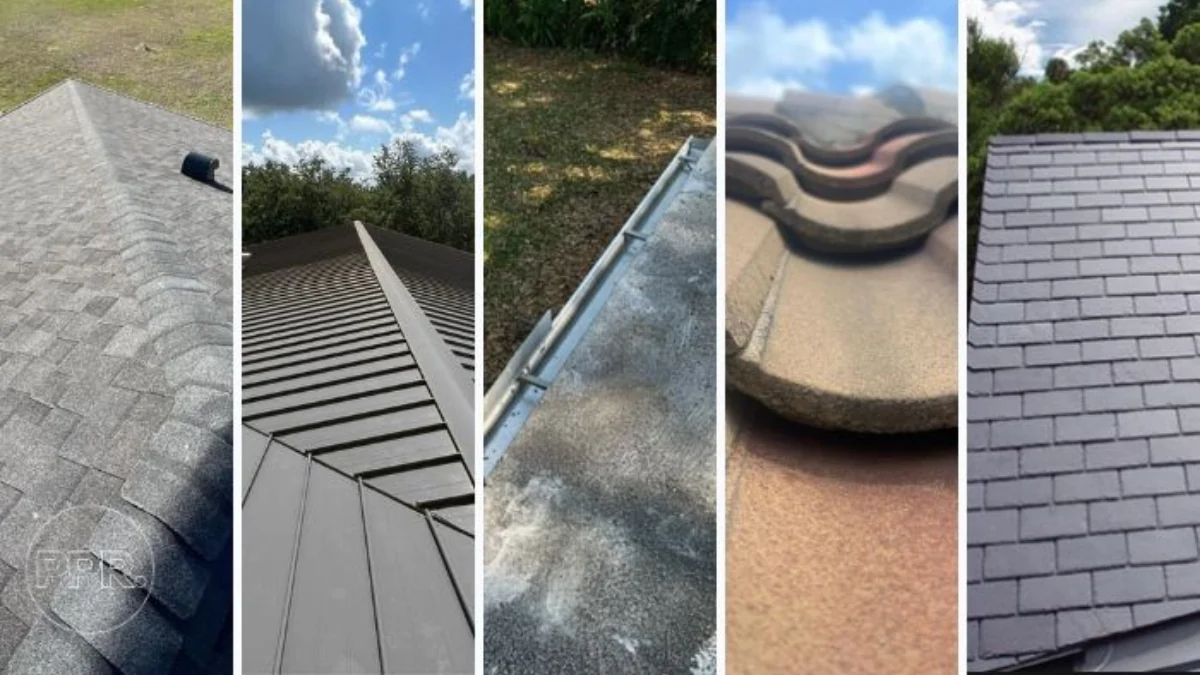


Choosing the best roofing material for your home can feel overwhelming. With so many options: asphalt shingles, metal, tile, wood and synthetics. How do you know which one will truly protect your home and give you the best value?
According to the National Association of Home Builders, the roof accounts for up to 40% of a home’s curb appeal and plays a critical role in long-term maintenance costs. The wrong choice could leave you facing leaks, high energy bills or premature replacement.
That’s why this guide goes beyond a simple list. You’ll discover the real pros and cons of the most common roof materials, average costs and lifespans to help plan your budget, which materials perform best in different climates and expert tips to avoid costly mistakes and pick the right option for your home.
Don’t wait until the next storm to find out if your roof can handle the pressure. The right material choice today can save you tens of thousands of dollars tomorrow.
What Is the Best Roofing Material?
The truth is simple: there isn’t one best roofing material for every home. The right choice depends on three things: your budget, your climate and the look you want.
So, how do you decide? Ask yourself:
- Do I want the lowest upfront cost, or do I want fewer repairs over time?
- How harsh is the weather where I live: heat, storms or snow?
- Am I aiming for curb appeal that boosts resale value?
Every roofing material has its trade-offs. Some save money now; others save money later. Some handle heat better; others resist fire or hurricanes.
The best roof material for you is the one that balances cost, lifespan and performance in your situation. The rest of this guide breaks down each option so you can make that decision with confidence.
Key Factors to Compare Roofing Materials
Picking the best roof materials isn’t only about price. A roof does more than keep out the rain. It affects your home’s energy use, insurance costs, and even resale value. Here are the key factors you should weigh before making your choice:
- Cost: Asphalt shingles are cheap upfront. Metal, tile and slate cost more but can save you from frequent repairs. Think of it as paying once or paying often.
- Lifespan: A longer lifespan often means fewer headaches, but also a bigger initial investment.
- Asphalt shingles: 15–20 years.
- Metal roofing: 40–70 years.
- Slate and tile: 50–100 years.
- Fire resistance: Clay, concrete, metal, and slate are naturally fire-resistant. Wood is not, unless specially treated. If you live in wildfire-prone areas, this factor can’t be ignored.
- Weather performance: In hurricane zones like Florida, metal often outshine shingles because it withstands winds of 140+ mph. In snowy areas, slate and tile handle weight better.
- Energy efficiency: Metal and reflective coatings bounce back sunlight, keeping homes cooler. Dark asphalt shingles trap heat, which can spike energy bills in hot climates.
- Style and curb appeal: Your roof covers up to 40% of your home’s exterior view. Shingles blend in easily, while tile, slate or metal can transform curb appeal and boost resale value.
- Maintenance: Wood shakes demand constant care against rot and insects. Metal and tile need less attention. If you’re not the “ladder and hammer” type, consider low-maintenance options.
Quick reminder from Protect Preserve Roofing: When comparing best materials for roofing, weigh cost, lifespan, fire safety, weather resistance, efficiency, and style. A roof is more than a cover, it’s protection, comfort and part of your home’s identity.
Asphalt Shingles: Affordable and Popular
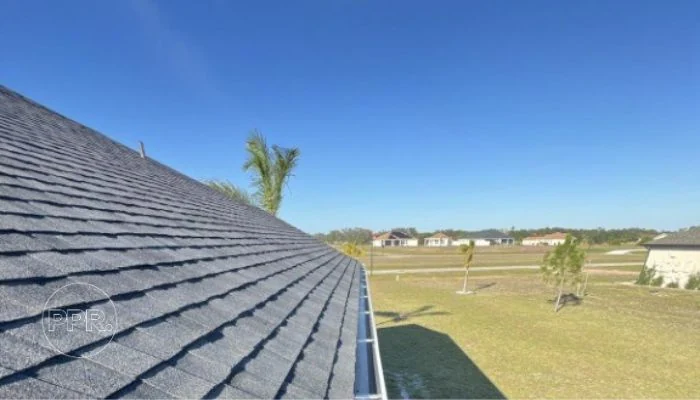
Asphalt shingles are the best roofing material for homeowners who want low upfront cost and easy installation. They remain the most common choice in the U.S., covering about 70% of homes. At a glance:
| Feature | Details |
| Popularity | Cover ~70% of U.S. homes |
| Cost | $4–$8 per square foot installed |
| Lifespan | 15–20 years (shorter in hot or storm-prone climates) |
| Pros | Low cost, wide variety of colors/styles, quick installation, fire rated |
| Cons | Shorter lifespan, prone to wind/rain damage, absorbs heat |
| Best For | Budget-conscious homeowners or short-to-mid-term housing plans |
Bottom line: Asphalt shingles are the affordable and popular choice for quick installation and upfront savings. But they require more frequent repairs and replacement compared to longer-lasting materials like metal or tile.
Metal Roofing: Strong and Long-Lasting
Metal roofing is gaining ground fast. It’s more expensive upfront than asphalt, but its strength and long life make it one of the best roof materials for homeowners who want durability and peace of mind. At a glance:
| Feature | Details |
| Popularity | Growing fast, especially in storm-prone states |
| Cost | $8–$16 per square foot installed |
| Lifespan | 40–70 years, depending on type (steel, aluminum, copper) |
| Pros | Long lifespan, high wind resistance (140+ mph), fire-resistant, energy efficient (reflects heat), eco-friendly (often recyclable) |
| Cons | Higher upfront cost, can dent from hail, noisier in heavy rain if not insulated well |
| Best For | Long-term homeowners, storm-prone regions, hot climates (energy savings) |
Quick reminder from Protect Preserve Roofing: Metal roofing is strong, long-lasting and energy efficient. It’s ideal if you want decades of protection with less maintenance. The upfront cost is higher, but over time, it often pays for itself.
Flat Roof Solutions: Best Materials for Low-Slope Roofs
Flat and low-slope roofs face unique challenges. Water doesn’t run off as easily, so the best flat roof material must resist pooling, UV exposure, and constant weather stress. Here’s a breakdown of the most reliable options:
| Material | Cost (per sq. ft.) | Lifespan | Pros | Cons | Best For |
| TPO (Thermoplastic Polyolefin) | $5–$7 | 15–20 years | Energy efficient (reflective), lightweight, easy installation | Can puncture easily, seams may weaken over time | Commercial & residential low-slope roofs in hot climates |
| EPDM (Ethylene Propylene Diene Monomer) | $4–$8 | 20–25 years | Affordable, durable, resists UV and ozone, low maintenance | Absorbs heat (black color), less attractive | Budget-friendly flat roofs in moderate climates |
| PVC (Polyvinyl Chloride) | $6–$10 | 20–30 years | Strong seams (heat-welded), chemical resistant, reflective surface | Higher cost, can shrink or crack over time | Homes in hot, sunny regions or with chemical exposure risk |
| Modified Bitumen | $4–$8 | 15–20 years | Flexible, easy to repair, multiple installation methods (torch, self-adhesive) | Shorter lifespan, less energy efficient than TPO/PVC | Older homes needing affordable flat roof repairs |
| Built-Up Roofing (BUR) | $5–$9 | 20–30 years | Multiple protective layers, good waterproofing, fire-resistant | Heavy, labor-intensive installation | Large flat roofs requiring durability |
Bottom line: The best flat roofing material depends on climate and budget. TPO and PVC excel in hot regions, EPDM works well for affordability and durability, while BUR and modified bitumen remain trusted choices for older or larger projects.
Tile Roofing: Clay, Concrete and Slate Options
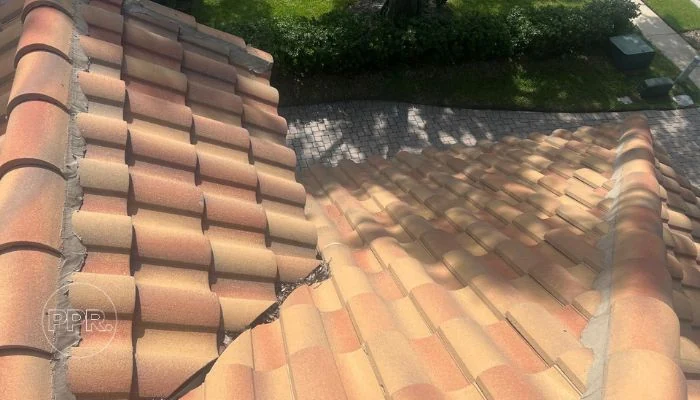
Tile roofing has been around for centuries. It’s stylish, durable, and highly resistant to fire and weather. But not all tiles are equal: clay, concrete and slate each have their own strengths and weaknesses. Let’s take a look:

| Material | Cost (per sq. ft.) | Lifespan | Pros | Cons | Best For |
| Clay Tile | $10–$18 | 50–100 years | Classic look, excellent fire resistance, holds color, durable in hot climates | Heavy, brittle, expensive, requires reinforced roof structure | Homes in hot/dry climates or Spanish/Mediterranean style |
| Concrete Tile | $8–$15 | 40–75 years | More affordable than clay, durable, available in many colors/styles | Heavy, may fade over time, can absorb water and crack in freezing | Homes needing tile look at lower cost, versatile climates |
| Slate Tile | $15–$30 | 75–150 years | Extremely durable, elegant appearance, fire and water resistant | Very heavy, costly, requires skilled installation, fragile if walked on | Luxury homes, historic restorations, long-term investment |
Quick reminder from Protect Preserve Roofing: Tile roofing offers unmatched beauty and durability. It comes with higher upfront costs and weight challenges, but for homeowners seeking style and longevity, it’s one of the best roofing materials available.
Wood and Synthetic Roofing Options
Wood has a natural, rustic charm that many homeowners love. But with modern advances, synthetic options now offer the same look with fewer downsides. Let’s compare:
| Material | Cost (per sq. ft.) | Lifespan | Pros | Cons | Best For |
| Wood Shingles/Shakes | $6–$12 | 20–40 years | Beautiful natural look, eco-friendly if sourced responsibly, good insulation | Prone to fire unless treated, needs regular maintenance, vulnerable to rot/insects | Rustic or traditional homes where aesthetics matter |
| Synthetic Shingles | $7–$13 | 40–50 years | Mimic wood, slate, or tile look; lighter weight; low maintenance; resistant to fire, rot, insects | Higher upfront cost than wood, not as “authentic” in appearance | Homeowners wanting durability with a classic style |
| Composite Roofing | $8–$14 | 40–50 years | Made from recycled materials, long lifespan, available in many styles | Limited suppliers, can look less natural up close | Eco-conscious homeowners or modern builds |
Pro tip from Protect Preserve Roofing:Wood roofing offers charm but requires constant care. Synthetic and composite options provide the same appeal with far greater durability and less maintenance. For most homeowners today, synthetic choices are the smarter balance of beauty and practicality.
Specialty Roofing for Extreme Climates
Not all roofing materials perform the same when the weather gets harsh. In hurricane zones, wildfire areas or regions with extreme heat, choosing the right material can mean the difference between a safe home and costly damage:
| Climate / Risk | Best Roofing Material(s) | Why It Works | Watch Out For |
| Hurricane & High Winds | Metal Roofing (steel, aluminum), Concrete Tile | Withstands winds 140+ mph, resists uplift, durable under storms | Higher upfront cost, heavy weight (tile) |
| Extreme Heat / Sun | Metal Roofing (reflective), Clay Tile, TPO (flat roofs) | Reflects sunlight, reduces cooling costs, holds color and form in high UV | Metal can dent; clay tile is heavy |
| Wildfire-Prone Areas | Metal, Clay Tile, Slate | Naturally fire-resistant, non-combustible, provides excellent protection | Cost and weight are higher |
| Snow & Ice | Slate, Metal | Handles snow load, sheds ice easily, long lifespan | Slate is fragile if walked on |
| Moisture / Heavy Rain | Slate, Synthetic Shingles, PVC/TPO (flat roofs) | High resistance to water absorption, prevents rot and mold | PVC may shrink over decades |
Bottom line: For extreme climates, the best roofing material is one tailored to the main threat in your region. Metal excels in storms and heat, tile and slate shine in fire zones, and specialized membranes protect flat roofs from constant moisture.
Cost and Lifespan Comparison Chart
Choosing the best roofing material often comes down to two numbers: how much it costs and how long it lasts. Here’s a clear side-by-side view to guide your decision:
| Roofing Material | Cost (per sq. ft. installed) | Average Lifespan |
| Asphalt Shingles | $4 – $8 | 15 – 20 years |
| Metal Roofing | $8 – $16 | 40 – 70 years |
| Clay Tile | $10 – $18 | 50 – 100 years |
| Concrete Tile | $8 – $15 | 40 – 75 years |
| Slate Tile | $15 – $30 | 75 – 150 years |
| Wood Shingles/Shakes | $6 – $12 | 20 – 40 years |
| Synthetic Shingles | $7 – $13 | 40 – 50 years |
| Composite Roofing | $8 – $14 | 40 – 50 years |
| TPO (Flat Roof) | $5 – $7 | 15 – 20 years |
| EPDM (Flat Roof) | $4 – $8 | 20 – 25 years |
| PVC (Flat Roof) | $6 – $10 | 20 – 30 years |
| Modified Bitumen | $4 – $8 | 15 – 20 years |
| Built-Up Roofing (BUR) | $5 – $9 | 20 – 30 years |
As you can see, when comparing roofing costs and lifespans, cheap isn’t always cheaper. Asphalt shingles save money now, but metal, tile and slate can save tens of thousands over decades.
Pro Tips for Choosing the Right Roofing Material
Picking the best roofing material isn’t just about price or style. It’s about finding the balance that works for your home, your budget and your long-term plans. Here’s some practical advice from experts:
- Match material to climate:
- Hot, sunny states → Metal or clay tile reflect heat.
- Hurricane zones → Metal withstands high winds better.
- Snowy areas → Slate and metal handle heavy loads.
- Think long-term, not just upfront cost: Asphalt shingles may be cheaper now, but multiple replacements can cost more than a single metal or slate roof over decades (that’s why you can finance).
- Check insurance benefits: Some insurers lower premiums for fire-resistant or wind-resistant roofs, especially metal and tile. Always ask before deciding.
- Factor in maintenance time: Wood shakes look amazing but require constant upkeep. If you’d rather not climb a ladder twice a year, go for synthetic or metal.
- Weigh resale value: A high-end roof like slate or tile can add significant curb appeal and boost your home’s resale price.
- Confirm structural support: Tile and slate are heavy. Make sure your home’s framing can handle the weight or budget for reinforcement.
Protect Preserve Roofing insight: The best roof material is the one that fits your climate, budget and goals. Don’t just chase the cheapest option, think in decades, not years.
Conclusion: Choosing the Best Roofing Material with Confidence
By now, you’ve seen the numbers, the pros and cons, and the real stories behind every major roofing option. From budget-friendly asphalt shingles to long-lasting metal and timeless slate, the best roofing material depends on your home, your climate, and your long-term goals.
But here’s the key: information alone won’t keep the rain out. The real protection comes from choosing the right team to guide you and get the installation done right.
That’s where Protect Preserve Roofing makes all the difference. Our specialists don’t just install roofs, they help homeowners like you find the perfect balance between cost, durability and style.
Don’t wait for the next storm to test your roof. Call us today and let us help you choose and install the best roofing material for your home. One call now can save you thousands in repairs later and give you peace of mind for decades. And there’s more, you can also schedule a free roof assessment or get an instant roof estimate for a job here.
We’ve protected families through hurricanes, blazing summers and snowy winters, always with a focus on safety, honesty and results that last.
What is the best roofing material for hot climates?
Metal and clay tile reflect sunlight, keeping homes cooler and lowering energy bills in hot, sunny regions.
What is the most fire-resistant roofing material?
Clay tile, slate, and metal are all non-combustible and provide the best fire resistance for homes in wildfire-prone areas.
What roofing material lasts the longest?
Slate roofs can last 75–150 years, making them the longest-lasting option. Metal comes next with a lifespan of up to 70 years.
Which roof material gives the best value for money?
For short-term budgets, asphalt shingles win. For long-term savings, metal often provides the best balance of cost, lifespan, and durability.

Leave a Reply