



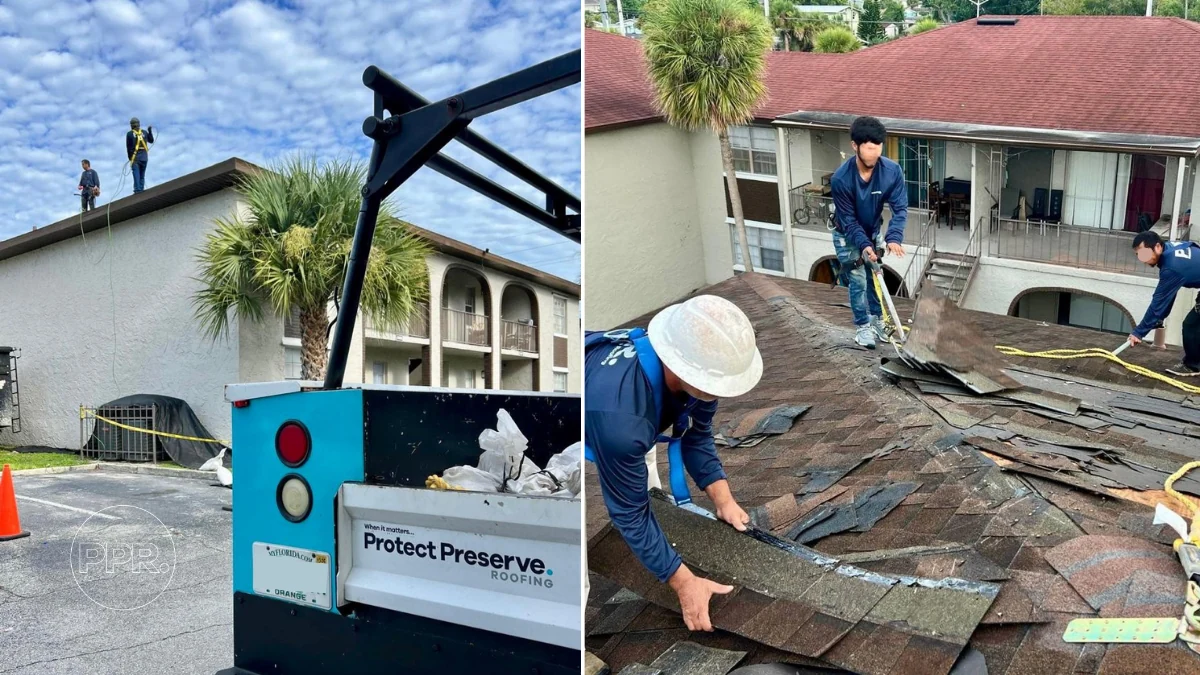


Roof leak repair is one of those things homeowners rarely think about until water starts dripping onto the floor. A small leak may look harmless at first, but according to the National Roofing Contractors Association, even a minor roof leak can cause structural damage within weeks if ignored. Mold growth, ruined insulation and weakened decking are just the beginning.
Now, ask yourself: have you ever spotted a brown stain on the ceiling and hoped it was “just humidity”? You’re not alone. Thousands of homeowners each year delay action. However, the truth is that the roof doesn’t fail overnight.
The warning signs are there, you just need to know how to read them. And once you do, you’ll be able to make the right fix, whether it’s a quick patch, a professional repair or a full replacement.
So, in this guide, we’ll break down the most common causes of roof leaks, how to identify early signs before they spread, emergency steps to protect your home, repair options, including DIY vs. professional help and realistic costs and how to avoid being overcharged.
Don’t wait until a drip becomes a flood. Let’s start by understanding what actually causes a roof to leak.
Table of contents
What Causes a Roof to Leak?
A roof never leaks without a reason. Something weakens, breaks, or shifts and water finds the gap. So, these are the main culprits:
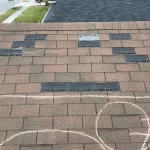
- Damaged or missing shingles: Strong winds can lift shingles. Heavy rain and sun then finish the job. Once a shingle is gone, water enters freely. It’s one of the fastest ways a small problem turns into a repair call.
- Worn or improper flashing: Flashing seals roof joints and edges. When flashing cracks, bends or was installed poorly, water slips behind it. That’s why so many leaks show up around skylights, chimneys and roof valleys.
- Clogged gutters: Gutters full of leaves look harmless, but they push water back under shingles. Over time, this backup causes rot in decking and soffits. A half-hour with a ladder could prevent hundreds of dollars in roof leak repair costs.
- Poor ventilation and condensation: Heat rises, moisture builds and without ventilation in the attic it has nowhere to go. That trapped condensation damages insulation and decking. You might think it’s a leak from rain, when really, it’s a ventilation issue.
- Aging materials: Even the best roof materials don’t last forever. Asphalt shingles typically last 15–20 years, while metal and tile last longer. When a roof nears the end of its life, leaks are almost guaranteed.
- External damage: Branches falling in a storm or heavy foot traffic during maintenance can puncture or crack shingles. Some leaks start with one careless step on a brittle area of the roof.
- Structural shifts: If decking warps or sags, water finds the low spot and stays there. This pooling accelerates wear and makes leaks more likely.
Bottom line: A leak is never random. It’s always the result of a weak spot: shingles, flashing, gutters, ventilation or aging. The good news? Most causes are preventable with routine checks and simple maintenance.
How to Spot the Signs of a Roof Leak Early
A roof rarely fails without leaving clues. The problem is that most homeowners don’t notice them until water drips onto the floor. By then, the damage is already done. Spotting signs early is the cheapest form of roof leak repair. Let’s take a look at the signs:
- Stains on ceilings and walls: Brown or yellow stains on drywall are classic warning signs. They often look like coffee rings spreading out slowly. Even a faint stain means water has made its way inside.
- Damp or musty smells: If your attic smells like wet socks, pay attention. That odor comes from hidden moisture. Mold thrives in these conditions and once it spreads, the cost of cleanup skyrockets.
- Bubbling or peeling paint: Paint that bubbles or flakes indoors isn’t a cosmetic issue. It usually means water is pushing through from behind. Ignore it and you’ll soon have soft plaster or rotten wood.
- Drips after heavy rain: This one sounds obvious, but many homeowners brush off a small drip as “just condensation.” If water appears after storms, that’s a leak announcing itself. It won’t go away on its own.
- Mold in corners: Check dark corners, closets near the roofline and attic beams. Mold often shows up there first. It’s silent proof that moisture is sneaking in through the roofing system.
- Sagging roof decking: Step into the attic with a flashlight. If the decking looks warped or sagging, that’s a serious red flag. Water has already weakened the structure and repair costs rise with every storm.
Pro tip from Protect Preserve Roofing: Catching these signs early can cut repair bills in half. The average water damage claims cost over $12,000 in the U.S. So, preventing damage before it spreads is the real money-saver.
Emergency Roof Leak Repair: What to Do Right Away
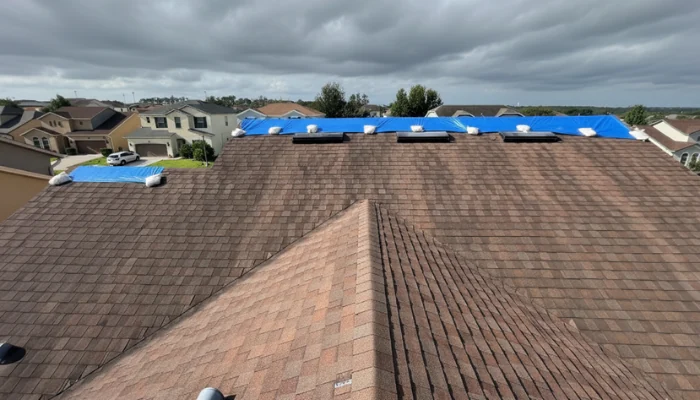
When water starts dripping inside, panic kicks in. The truth is every minute counts. Quick action can save furniture, flooring and thousands in repairs. Here’s what you should do right away if you spot a leak:
- Contain the water: Place buckets or large containers under active drips, move furniture and electronics out of harm’s way and use towels to soak up standing water on floors.
- Relieve pressure in bulging ceilings: If water collects and creates a bulge in drywall, don’t ignore it. Carefully puncture a small hole to release the water into a bucket. This prevents the entire ceiling panel from collapsing under weight.
- Cover the roof with a tarp: The fastest way to stop rain intrusion is a roof tarp. But here’s the key:
- Never nail or screw tarps directly into the roof, this can void insurance and make damage worse.
- Use sandbags or weighted anchors whenever possible.
- Only in extreme cases (very steep pitch or roof already beyond repair) should fasteners be considered.
- Shut down electrical risks: Water and electricity are a dangerous mix. If leaks are near outlets, lights or your breaker panel, switch off power in that area of the home.
- Document the damage: Take clear photos and videos of the leak, water stains and emergency steps you take. If you plan to file an insurance claim, documentation strengthens your case. Remember: insurers rarely cover roof leaks caused by neglect, but proof of immediate action helps.
- Call professionals fast: Emergency repairs are just temporary. Once the rain stops, schedule a roof inspection. A tarp can buy you a few days or weeks, but without proper repair, the leak will return.
Quick reminder from Protect Preserve Roofing: Emergency roof leak repair isn’t about perfection. It’s about stopping water before it spreads. Contain, cover, document, and then call in the pros. The faster you move, the less you’ll spend.
How Do You Repair a Leaking Roof? Step-by-Step
Fixing a leaking roof isn’t guesswork. It’s a sequence of checks and repairs that stop water at its source. Here’s how a proper roof leak repair usually goes:
- Find the source of the leak: Water doesn’t always show up where it enters. Start by:
- Inspecting the attic for wet spots, stains or mold.
- Looking uphill from the interior stain to find entry points.
- Running a garden hose over the roof in sections to simulate rain and spot leaks.
- Clear the area: Before repairs, remove debris, moss or damaged shingles. A clean surface ensures new materials bond correctly.
- Repair or replace damaged shingles: Lift shingles carefully with a pry bar, remove nails and slide out the broken shingles, then place a new shingle in position, secure with roofing nails, and seal edges with roofing cement. This restores the waterproof layer.
- Seal flashing and joints: Leaks love corners and edges. Check around chimneys, skylights and vents:
- Apply roofing sealant where flashing has lifted.
- If flashing is cracked or bent, replace the section entirely.
- Patch small holes or cracks: For minor leaks:
- Sand or clean the area.
- Apply roofing cement or resin.
- Reinforce with a patch (for flat or metal roofs).
- Reinforce interior protection: If insulation or decking got wet, dry it out quickly. Replace any soaked insulation. Wet wood or insulation left untreated leads to mold and rot.
- Test the repair: Once repairs are complete, spray the roof with a hose or wait for rain. Check the attic to confirm the leak is sealed.
When to call professionals
DIY repairs can stop small leaks. However, larger issues need expert tools and knowledge. If:
- The roof pitch is steep.
- The damage covers a large area.
- Or water has spread into structural layers.
…then it’s time to call a pro. Protect Preserve Roofing handles everything from emergency tarps to full structural repairs, safely, quickly and with insurance in mind.
Also read:
Professional vs. DIY Roof Repair
When water drips inside, most homeowners face the same decision: “Do I try to fix this myself or call a professional?”. Both options have pros and cons. The table below highlights the key differences:
| Aspect | DIY Roof Leak Repair | Professional Roof Leak Repair |
| Cost | $50–$200 for materials (sealant, shingles, flashing) | $800–$1,600 for emergency tarp, $500–$3,000+ for full repair |
| Speed | Immediate, if you have tools and materials on hand | Same-day or scheduled service, faster for large jobs |
| Safety | High risk if roof is wet, steep or unstable | Trained crews with safety gear and insurance |
| Effectiveness | Works for very small leaks, often temporary | Long-term fix; addresses root cause and hidden damage |
| Skill Needed | Basic handyman skills, ladder use | Professional training, diagnostic expertise |
| Insurance Impact | DIY mistakes can void claims if damage worsens | Repairs documented and aligned with insurance requirements |
| Longevity | Patch may last weeks or months | Repairs last years, backed by warranty |
Bottom line: DIY roof leak repair may work for a minor shingle replacement or sealing a nail hole, but it comes with risks. Professionals, like Protect Preserve Roofing, deliver safer, longer-lasting repairs and keep your insurance coverage protected.

Roof Leak Repair Cost: How Much Should You Expect to Pay?
The cost of fixing a leaking roof depends on how serious the damage is. Knowing the price ranges upfront helps you avoid surprises and avoid being overcharged.
Average roof leak repair costs in the U.S.
- Minor repairs (small shingle replacement, sealant, flashing fix): $150–$400.
- Moderate repairs (replacing sections of shingles, fixing leaks around chimneys or vents): $500–$1,200.
- Major repairs (structural damage, sagging decking, multiple leaks): $1,500–$3,000+.
- Full roof replacement (if beyond repair): $7,500–$15,000+, depending on material and square footage.
Emergency tarp installation costs
When storms hit, stopping water immediately is priority number one. That’s where tarps come in:
- Protect Preserve Roofing charges $800–$1,600 on average.
- Cost depends on roof height, pitch, and how much area needs covering.
- Tarps are temporary but crucial — they protect your home until repairs are complete.
Important: Tarps should never be nailed or screwed directly into the roof, as this can void your insurance and cause more damage. Sandbags or weighted anchors are the safe method, unless the roof is so steep or damaged that replacement is unavoidable.
Factors that affect roof leak repair prices
- Roof material: Asphalt is cheapest, tile and metal cost more.
- Location of leak: Valleys, chimneys and skylights are trickier and more expensive.
- Extent of damage: A small shingle vs. rotted decking are worlds apart in price.
- Roof pitch: Steeper roofs require more labor and safety measures.
- Accessibility: Multi-story homes cost more due to equipment and risk.
Quick reminder: Roof leak repair costs range widely, but prevention is always cheaper than restoration. A $500 repair today beats a $5,000 rebuild tomorrow. With Protect Preserve Roofing, you’ll get clear pricing, expert service, and peace of mind knowing your home is safe from hidden costs.
Preventing Roof Leaks: Tips That Save You Money
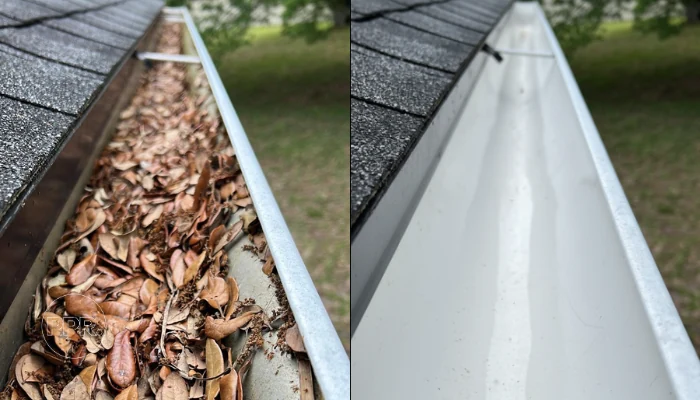
Most roof leaks start small and spiral only because nobody spotted them in time. Here’s how you can stay ahead of trouble:
- Keep gutters and downspouts clear: Clogged gutters push water back under shingles. Clean them at least twice a year, or more often if trees hang over your roof. A one-hour chore can save you thousands in repairs.
- Trim overhanging branches: Branches scrape shingles, block sunlight and drop debris that holds moisture. Cut them back before storms turn them into battering rams.
- Inspect after heavy storms: Don’t wait for water to appear inside. After high winds or heavy rain, check your roof from the ground or with binoculars. Look for missing shingles, sagging areas or debris.
- Watch for ice dams (cold climates): If snow sits on your roof, heat escaping from the attic melts it unevenly. Refreezing creates ice dams that push water under shingles. Proper insulation and ventilation prevent this.
- Ventilate the attic: A poorly ventilated attic builds condensation. That moisture rots decking and mimics a leak. Adding or clearing vents keeps air moving and decking dry.
- Schedule regular roof inspections: Even with DIY care, some problems stay hidden. A professional inspection once a year catches cracks, loose flashing, and worn materials before they turn into leaks.
- Emergency readiness: Keep a tarp and sandbags handy. If a storm rips shingles away, you’ll be glad you can cover the damage quickly until Protect Preserve Roofing arrives.
Quick reminder: Prevention isn’t complicated. Clear your gutters, trim branches, ventilate, and get inspections. These simple steps keep your roof strong and your wallet safe. For full peace of mind, Protect Preserve Roofing offers inspections and emergency services designed to catch leaks before they spread.
Also read:
When Is It Time to Replace Instead of Repair?
Not every leak deserves a full roof replacement. However, sometimes repairs are just band-aids on a much bigger problem. Knowing the difference can save you from throwing good money after bad.
When repairs still make sense
- Roof is under 10 years old and damage is localized.
- One or two missing shingles that can be replaced easily.
- Minor flashing leaks around chimneys, skylights, or vents.
- Decking is solid with no signs of rot or sagging.
In these cases, a repair is cost-effective and extends the roof’s lifespan.
When replacement is the smarter choice
- Age: Asphalt shingle roofs past 20 years, tile or metal past 40, are near the end of life.
- Widespread leaks: Multiple spots across different areas signal systemic failure.
- Alligatoring or curling shingles: Surface is worn out and won’t hold up.
- Rotten decking: Structural layers are compromised and unsafe.
- Repairs exceed 30–40% of replacement cost: At that point, investing in a new roof pays off long term.
Cost perspective
- Repairs: $150–$3,000 depending on severity.
- Replacement: $7,500–$15,000+ depending on size and material.
Repairs are cheaper now, but a replacement may save thousands in recurring costs over the next decade.
Bottom line: Repairs are smart for young roofs with isolated damage. Replacement is smarter for old, worn-out systems where problems keep coming back. If you’re unsure, Protect Preserve Roofing provides honest inspections and clear recommendations, so you don’t overspend.
Conclusion: Roof Leak Repair Near Me
Roof leaks don’t wait. They grow, spread and drain your wallet the longer you ignore them. Whether it’s a missing shingle, cracked flashing or water pooling after a storm, the signs are there, and now you know how to spot them.
You’ve seen the causes, the warning signals, the repair steps and even the costs. But here’s the truth: while DIY patches may buy you time, only professional roof leak repair keeps your home protected for the long run.
That’s where Protect Preserve Roofing comes in.
- Fast emergency response with safe tarp installations ($800–$1,600) that protect your home immediately.
- Skilled crews who don’t just patch leaks but fix the root cause.
- Honest inspections that tell you if repair or replacement makes the most financial sense.
- Proven track record with families who avoided tens of thousands in damage by acting fast.
Don’t wait until a ceiling collapses or mold infestation forces your hand. Call us today for expert roof leak repair near you. You can also schedule a free roof assessment or get an instant roof estimate.
Get peace of mind, save money and protect what matters most: your home and family.
How much does a roof leak repair cost?
Most minor roof leak repairs cost $150–$400, moderate repairs range from $500–$1,200, and major structural repairs can run $1,500–$3,000+. Emergency tarp installation by Protect Preserve Roofing usually costs $800–$1,600.
Can I repair a roof leak myself?
Yes, if it’s very small — like replacing one shingle or sealing a nail hole. But DIY repairs are risky and often temporary. For long-term results and insurance protection, professional repair is the safer choice.
How long does it take to repair a roof leak?
Small repairs can be finished in a few hours. Larger jobs, like structural fixes or replacing damaged decking, may take 1–3 days. Emergency tarps can be installed the same day to protect your home until full repairs are complete.
What is the fastest way to stop a roof leak?
The fastest temporary fix is covering the area with a tarp. Just remember — never nail or screw a tarp into the roof. Weighted anchors or sandbags are safer, and Protect Preserve Roofing installs them properly without risking insurance claims.
How much does a roof leak repair cost?
Most minor roof leak repairs cost $150–$400, moderate repairs range from $500–$1,200, and major structural repairs can run $1,500–$3,000+. Emergency tarp installation by Protect Preserve Roofing usually costs $800–$1,600.
Can I repair a roof leak myself?
Yes, if it’s very small — like replacing one shingle or sealing a nail hole. But DIY repairs are risky and often temporary. For long-term results and insurance protection, professional repair is the safer choice.
How long does it take to repair a roof leak?
Small repairs can be finished in a few hours. Larger jobs, like structural fixes or replacing damaged decking, may take 1–3 days. Emergency tarps can be installed the same day to protect your home until full repairs are complete.
What is the fastest way to stop a roof leak?
The fastest temporary fix is covering the area with a tarp. Just remember — never nail or screw a tarp into the roof. Weighted anchors or sandbags are safer, and Protect Preserve Roofing installs them properly without risking insurance claims.


Leave a Reply