



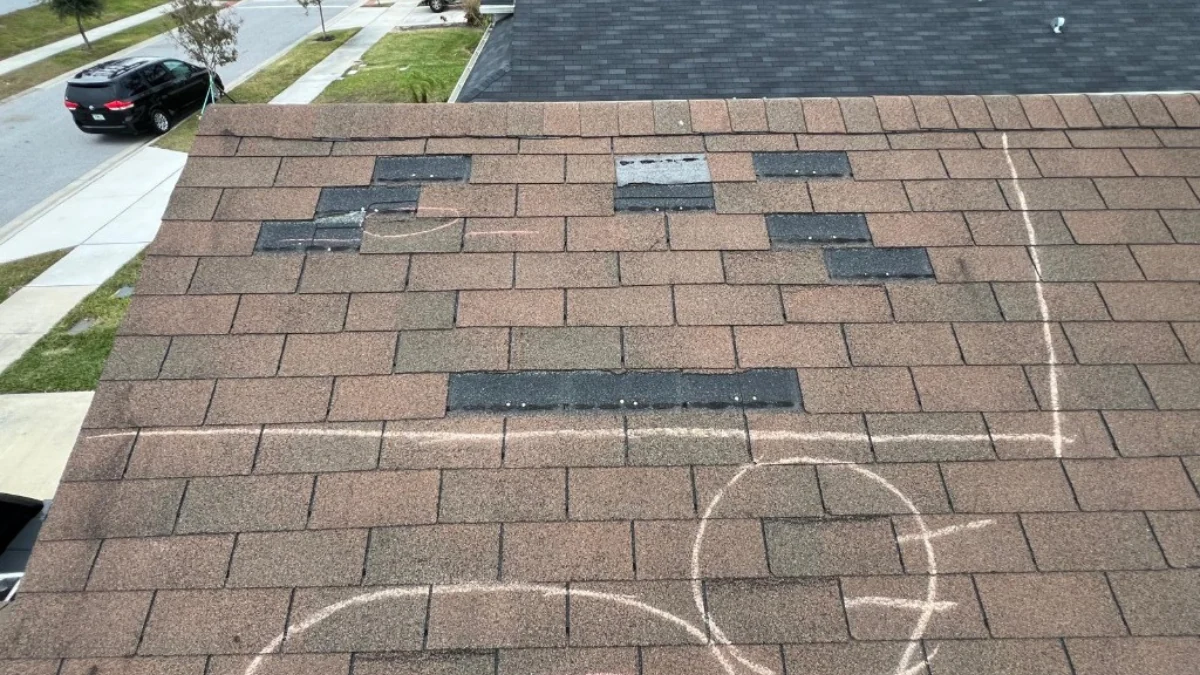


Looking for roof shingle repair near me? You’re not alone, and you’re right to act fast. In Florida, where the sun hits hard and storms hit harder, a few loose shingles can go from “no big deal” to “major leak” in one rainy afternoon. In fact, according to the Insurance Information Institute, over 33% of homeowner insurance claims in Florida are roof-related.
However, most homeowners wait too long. They notice a missing shingle and think, “I’ll get to it later.” Then comes the first sign of water stains and boom… drywall damage, insulation soaked, maybe even mold.
So, the real question isn’t if you should fix that shingle. It’s how fast you can get the right team on your roof and how to avoid the common traps that make a small repair turn into a massive expense.
In this guide, we’ll walk you through how to know if your shingles need repair or replacement, the real costs of fixing roof shingles in Florida, how fast repairs can prevent insurance headaches and what makes a roofing contractor worth calling.
Don’t wait for the ceiling to cave in. Let’s get started.
Table of Contents
What Is Roof Shingle Repair and When Is It Needed?
Roof shingle repair is the process of fixing broken, cracked, curled or missing shingles on your roof before they lead to leaks, wood rot, or mold inside your home. It’s simple in concept, but critical in practice, especially if you live in a place like Florida, where the sun fries your roof year-round and storms roll in without much warning.
Common signs you need roof shingle repair
If you’ve noticed any of these roof issues, don’t ignore them:
- Curled or lifted shingles.
- Missing or sliding shingles after a windstorm.
- Dark patches or granule loss.
- Leaks or stains on your ceiling or walls.
- Shingle debris in your gutters.
- Moss or algae growth in roof valleys.
- Sagging rooflines or soft spots when walked on.
And here’s the kicker: some of the worst roof problems start small. A single missing shingle might cost you $150 today or thousands in structural damage if you wait a few months.
According to FEMA, water damage from roof leaks is one of the leading causes of preventable home insurance claims. Early repair is cheaper, faster and smarter.
When should you repair shingles?
Timing is everything. Here’s when you should schedule a shingle repair:
- Right after a storm, especially if wind speeds were above 45 mph.
- If your roof is under 15 years old and damage is isolated.
- Before hurricane season, as a preventive measure.
- If your roof still has most of its lifespan left, but some shingles are damaged.
If your entire roof is showing wear or if you’ve patched it more than twice in a year, it might be time to consider a full replacement. However, we’ll help you figure that out based on facts, not fear.
Also read:
Shingle Roof Repair vs. Full Roof Replacement
Not sure if you need a quick fix or a full tear-off? You’re not alone. Many homeowners call us thinking they need a full roof replacement when a simple repair would do and vice versa. Here’s how to tell the difference:
| Factor | Shingle Roof Repair | Full Roof Replacement |
| Age of Roof | Under 15 years | 15–25+ years |
| Damage Type | Isolated (a few shingles, small leak) | Widespread or structural damage |
| Cost Range (FL Avg) | $150–$1,000+ (per issue) | $8,000–$16,000+ (depending on size/material) |
| Time to Complete | 1–2 hours to 1 day | 2–4 days on average |
| Insurance Coverage | Often covered (if storm-related) | May be partially covered (depends on policy) |
| Best For | Small issues, storm aftermath, early wear | Old roofs, recurring leaks, significant storm damage |
| Warning Signs to Act Fast | Curled shingles, minor leaks, missing pieces | Sagging areas, mold growth, multiple leaks |
| Impact on Property Value | Minor, unless left unresolved | Big increase in resale value and curb appeal |
| Long-Term Savings | Short-term solution if roof is still solid | Long-term investment — no more patchwork fixes |
Pro tip from Protect Preserve Roofing: You don’t have to decide alone. If you’re in Orlando or Central Florida, we’ll send a certified roofing tech to your home, inspect everything and give you a straight answer. No pressure, no sales pitch.
How to Identify Damage on Asphalt Shingle Roofs
Here’s what to check for when you look at your roof from the ground or with a drone (please don’t climb up unless you’re trained):
- Missing shingles: If you see bare spots where shingles used to be, you’ve got a problem. Wind likely tore them off.
- Cracked or broken shingles: These let water seep through during storms, especially on older roofs.
- Shingles curling or lifting: Curled edges or corners can mean the shingles are near the end of their life or reacting to heat and moisture.
- Dark patches or uneven color: This usually means the granules have worn off, which protects the shingle from sun and rain.
- Shingle granules in gutters: If your gutters look like they’re full of coarse black sand, that’s your shingles breaking down.
- Algae streaks or moss growth: Besides looking bad, this can hold moisture and rot the shingles faster.
Sometimes the signs aren’t on the roof, they’re inside your home. Look for:
- Ceiling stains or brown rings: Water is getting in. Even if it’s small, that leak has to come from somewhere.
- Mold or mildew in the attic: Bad ventilation? Maybe. But it could also mean water from the roof is seeping in.
- Soft or sagging roof spots: If a roofing tech walks the roof and feels give under their feet, that’s a red flag for wood rot.
Quick reminder: Don’t wait. Florida weather doesn’t play nice. A little damage today can turn into a soaked ceiling tomorrow. Call a professional roofing team you trust – like Protect Preserve Roofing. If you’re in Orlando or Central Florida, we can inspect your roof for free and give you honest feedback, even if you don’t need a full repair yet.

How Much Does Roof Shingle Repair Cost in Florida?
In Florida, roof shingle repair costs can vary a lot. It depends on how bad the damage is, where it is on the roof and what it takes to fix it safely. Let’s break it down:
| Repair Type | Estimated Cost (USD) |
| Replace 1–3 damaged shingles | $150–$350 |
| Repair leak around a roof vent | $250–$500 |
| Flashing repair (chimney/valleys) | $300–$600 |
| Nail pop and reseal | $120–$250 |
| Fixing granule loss (seal + patch) | $200–$450 |
| Emergency tarp (temporary solution) | $800–$1,600 |
Note: These prices reflect local averages.
What affects the price?
Several things impact how much you’ll pay:
- Roof height and pitch: Steeper roofs are riskier and cost more to service.
- Accessibility: A tight space or multi-story house adds time and cost.
- Shingle type: Architectural shingles are more expensive to match than 3-tab ones.
- Scope of damage: A few shingles? Easy. A leak spreading under the decking? More complex.
- Emergency vs. scheduled repair: Calling during a storm = higher rates.
Why “cheap” can be dangerous
We’ve seen homeowners hire low-cost crews that just slap on a shingle with a nail gun, no seal, inspection or warranty. Guess what? That patch fails in 3 months and now they’re paying double. At Protect Preserve Roofing, we:
- Use Florida Building Code-compliant materials.
- Offer a written estimate before work begins.
- Explain exactly why we’re fixing what we fix.
No smoke, no mirrors. Just honest pricing and solid work.
Why Quick Action Matters: Avoid Bigger Roof Problems
In Florida’s climate, especially in Orlando and Central Florida, waiting to fix a roof issue is like ignoring a slow leak in a boat… eventually, it sinks. So, here’s what can happen if you don’t fix roof shingle issues early:
- Water intrusion: Even a tiny gap lets moisture in, damaging the wood decking protection underneath.
- Mold and mildew: Once water gets inside your attic or walls, mold spreads fast and it’s expensive to remove.
- Insulation damage: Wet insulation doesn’t work. That means higher electric bills and a hotter house.
- Interior ceiling stains: Water stains are ugly. Worse, they’re a sign of bigger problems.
- Roof rot: Over time, water breaks down the structure of the roof, weakening it beyond simple repair.
- Insurance denial: If you wait too long, your insurance might claim “neglect” and not cover the damage.
According to Florida insurance claims experts, most denied roof claims involve delays in maintenance.
Real talk: fast repairs save money
We’ve seen it many times. A $300 repair that could’ve stopped the problem turns into a $12,000 roof replacement six months later. Why? Because the homeowner waited too long or assumed it wasn’t “that bad.”
Here’s the truth: Quick action isn’t panic, it’s smart. You:
- Avoid structural damage
- Stay ahead of insurance issues
- Pay less in the long run
- Protect your home’s resale value
- And sleep better when it rains
What to Expect from a Shingle Roof Repair Appointment
So, you booked your repair appointment. Now you’re probably wondering: “What exactly is going to happen when the roofer shows up?” Don’t worry. We’ll break it down for you.
Step 1: Friendly arrival and quick walkthrough
Our tech arrives on time (yes, that still exists). We greet you, do a quick intro, and ask a few simple questions:
- When did you notice the damage?
- Did you see water inside the house?
- Have you had any other roof work done recently?
We keep it simple. No clipboard interrogation.
Step 2: Roof inspection (outside + inside if needed)
Using a ladder (or drone if needed), we check:
- The damaged shingles.
- The surrounding area for hidden issues.
- Flashing, valleys, vents.
- Gutter condition.
- Roof pitch and accessibility.
If you’ve noticed leaks inside, we’ll also check the attic or ceiling for signs of water entry. We take photos of everything, so you don’t have to take our word for it.
You see what we see. That’s how we build trust.
Step 3: Clear estimate and timeline
Based on what we find, we give you:
- A simple, written estimate (no small print).
- The scope of work in plain language.
- Expected timeline to complete the repair.
- Optional emergency tarp solution if needed ($800–$1,600 depending on pitch and damage).
We do not start work without your approval. No surprise fees or mysterious “extra charges” later.
Step 4: The actual repair
Once you approve the job:
- We replace or re-seal the shingles using proper techniques.
- We never nail tarps directly to your roof unless absolutely necessary (and if we do, we explain why).
- We match shingles as closely as possible to your current roof.
- We clean up the area so your yard doesn’t look like a construction zone.
Most repairs take just a few hours, depending on the damage.
Step 5: Final walkthrough and questions
After we finish, we walk you through the repair. We show before-and-after photos, answer your questions and give you basic care tips to avoid future issues.
And no, we’re not here to upsell you a new roof unless it’s 100% necessary. Our job is to fix the issue you called us for: plain and simple.
Don’t forget: Live in Orlando or Central Florida? We can do it in your neighborhood, usually within 48–72 hours of your call. No delays, just real help, fast.
Conclusion: Finding the Right Roof Shingle Repair Near Me
When your roof shingles are damaged, the last thing you need is a guessing game. You want someone local, fast, honest and who actually shows up when they say they will.
Therefore, not every “roofing expert” with a toolbelt and a truck is the right choice. Some cut corners, others overcharge, and a few just don’t pick up the phone after cashing the check.
So, you need to look for these traits in a real contractor:
- Local experience in Florida’s weather conditions.
- Licensed and insured (no exceptions).
- A reputation built on word of mouth, not empty ads.
- A team that uses photos, not promises to explain the damage.
- Willing to say “you don’t need a full replacement” if it’s true.
- Respect for your time, your property, and your budget.
And at Protect Preserve Roofing you’ll find all of that. We’ve been helping homeowners like you for years and we’ve seen it all: blown-off shingles, surprise leaks, botched DIY jobs, and roofs hanging on by a thread.
Whether you need:
- One loose shingle replaced,
- A storm tarp safely installed,
- Or a second opinion before your insurer comes by…
We’re already in your area and ready to help, usually within 48 hours or less. Take the next step (before the rain does) and call us today. You can also book your free inspection or get an instant roof estimate, with real people who care.
Don’t wait for things to get worse. One call could save you thousands in damage later.
How much does it cost to repair roof shingles in Florida?
pairs range from $150 to $600, depending on the damage and access. Emergency tarps cost between $800 and $1,600, especially in Central Florida, due to pitch, height, and weather exposure.
How long does a shingle roof repair take?
Most repairs take a few hours or less, depending on what’s needed. We’ll let you know the timeframe upfront during the inspection. Emergency jobs are prioritized, especially during storm season.
How soon can you come out for an inspection?
Usually within 48 to 72 hours, sometimes faster for emergencies. Our inspections are free, and we’ll show you clear photos of any problem we find — no pressure to buy anything.
What’s the best time of year to repair roof shingles in Florida?
Before or after hurricane season is ideal, but we work year-round. If you notice damage during summer storms, don’t wait — the rainy season can turn small issues into major leaks fast.


Leave a Reply